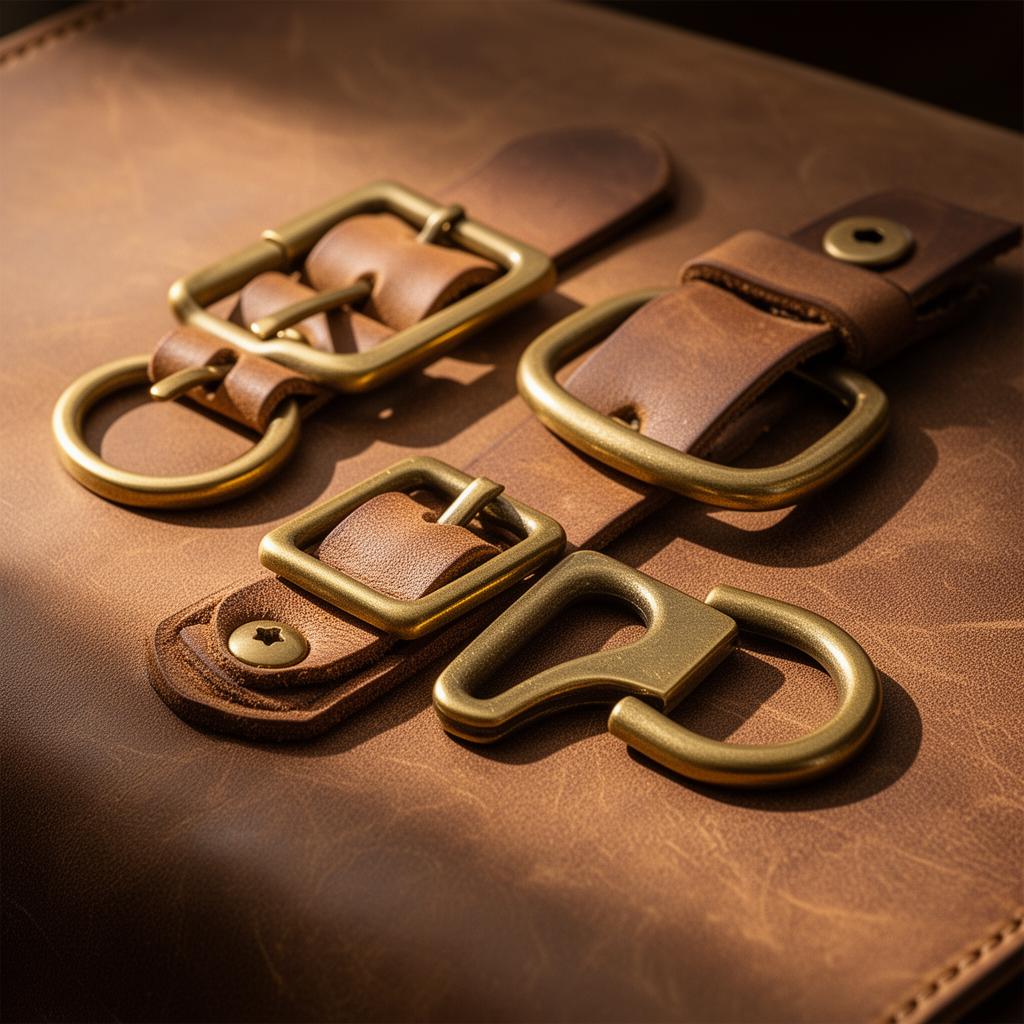
Solid Brass vs Plated Hardware: The Honest Guide for Leather Makers
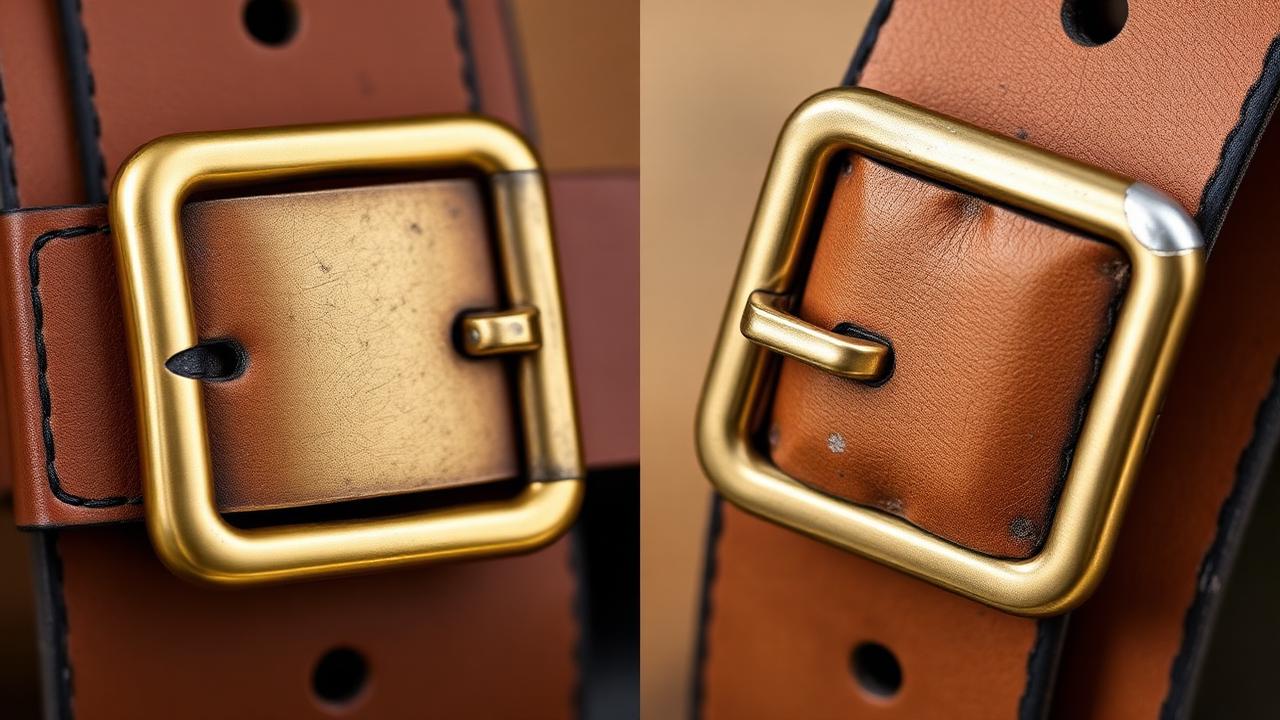
Walk into any leather supplier and you'll see two hardware bins that look almost identical: solid brass and brass-plated. They cost wildly different amounts, age in different ways, and choosing the wrong one can quietly ruin a $400 bag two years after it leaves your bench.
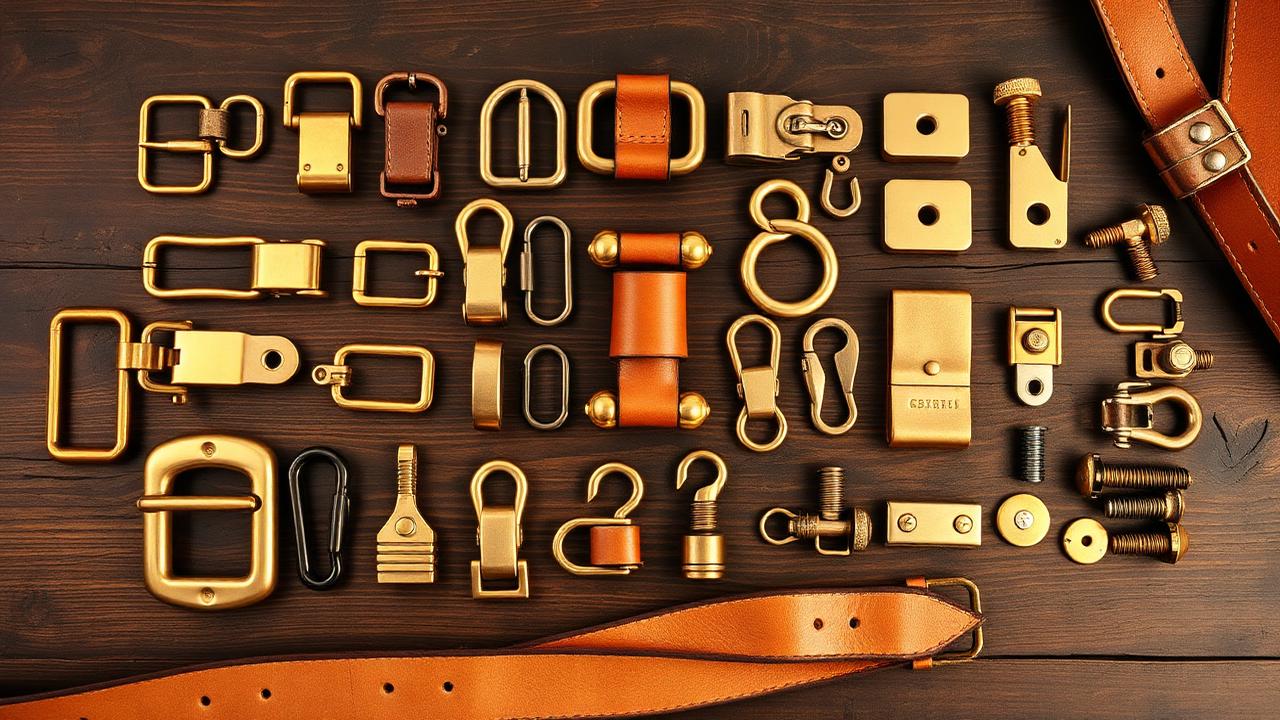
This guide unpacks the real differences, with the kind of detail leather makers, conscious buyers, and small brands actually need.
What "solid brass" actually means
Solid brass hardware is cast or machined from a single brass alloy — usually a copper-zinc mix around 60/40 or 70/30. The metal you see on the surface is the same metal all the way through. There is no coating, no flash plating, no thin shell over a cheaper core.
Plated hardware is different. A base metal — often zinc alloy (zamak), steel, or pot metal — gets dipped in a thin layer of brass, nickel, or gold-colored finish, typically only a few microns thick. From two feet away, the two pieces look the same. Under daily use, they don't behave the same at all.
How they age: patina vs flaking
Solid brass patina
Solid brass develops a soft, golden-brown patina over months and years. The high points stay warm and bright where hands and straps polish them. Recessed areas darken. Many leather makers consider this aging part of the finished product — it tells a story the same way well-loved leather does.
Plated hardware wear
Plating wears unevenly. The first sign is usually a gray or silver spot on a high-friction edge — the buckle tongue, the swivel hook ring, the corner of a snap cap. Once the plating breaks, the base metal underneath corrodes faster than the surrounding brass coating, and the spot grows. Cheap zinc bases can pit, oxidize white, or eventually crack under load.
The weight test (and why it works)
Brass is dense — about 8.4 to 8.7 g/cm³. Zinc alloy is closer to 6.6 g/cm³. On hardware over 20mm, the difference is obvious in your hand. A solid brass roller buckle feels noticeably weightier than a zinc-cored copy of the same size. If a "brass" buckle feels light or hollow, it almost certainly isn't.
The magnet test
Brass and zinc are both non-magnetic. So is gold-plated steel — which a weak magnet will pull. Drag a small neodymium magnet across the hardware: any attraction at all means there's steel in the core, and you're looking at plating over steel, not solid brass.
Cost comparison
- Solid brass buckle (30mm roller): $4–$9 per piece at small quantities, dropping to $2–$4 at 500+ units.
- Brass-plated zinc equivalent: $0.40–$1.20 per piece, often half that in bulk.
- Antique brass plated steel: cheapest, typically $0.20–$0.80.
The premium is real. But on a belt that retails for $120–$180, swapping a $6 hardware spend for $0.80 is a false economy — that one cost decision is the difference between an heirloom belt and a 14-month belt.
When plated hardware is actually fine
Plated hardware isn't always wrong. It's appropriate when:
- The product is intentionally seasonal or fast-fashion.
- The piece won't see daily friction (decorative conchos, interior closures, gift items).
- You're prototyping and need to test placement and proportion before committing to expensive solid brass.
The problem isn't plating itself — it's plated hardware sold as if it were solid brass, on products marketed as long-lasting heirlooms.
What to ask your supplier
If a listing just says "brass" or "antique brass," that's a marketing word, not a material spec. Ask specifically:
- Is this solid brass, brass-plated zinc, or brass-plated steel?
- What alloy ratio? (CZ121, C260, and C360 are common verifiable specs.)
- Is there a clear lacquer coating? If yes, it will eventually wear and patina underneath.
- Can you provide a small sample for a magnet and weight test?
Reputable suppliers answer these without hesitation. Vague answers are an answer.
Finishes on solid brass
Solid brass itself comes in several finishes, and the finish changes how it ages:
- Natural / polished brass: bright gold, develops patina fastest.
- Antique brass: chemically darkened, often relieved on high points. Patinates more subtly.
- Brushed / satin brass: matte texture hides micro-scratches well; ages evenly.
- Lacquered brass: sealed against patina for a few years until the lacquer wears through.
Key takeaways
- Solid brass is the same metal throughout; plated hardware is a thin shell over a cheaper base.
- Solid brass patinas gracefully; plating eventually wears through and the base can corrode.
- Weight and magnet tests catch most mislabeled hardware in seconds.
- Solid brass costs roughly 5–10x more than plated equivalents, but matches the lifespan of quality leather.
- Use plated hardware deliberately, not by accident — and never sell it as solid brass.
FAQ
Does solid brass tarnish?
Yes — that tarnish is patina, and it's a feature, not a defect. A quick polish with brass cleaner returns it to bright gold whenever you want.
Is antique brass solid or plated?
It can be either. "Antique brass" describes a finish color, not the underlying metal. Ask your supplier directly.
What about stainless steel hardware?
Stainless is excellent for marine, equestrian, and heavy industrial straps where corrosion resistance matters more than warmth. It's harder than brass and won't patina, which some makers prefer.
Want to dig deeper into specific hardware types? Explore our buckles and closures and D-rings and hooks guides next.
Enjoyed this guide?
Browse more in Trends, Materials & Buying Advice or share this article with another leather maker who'd find it useful.