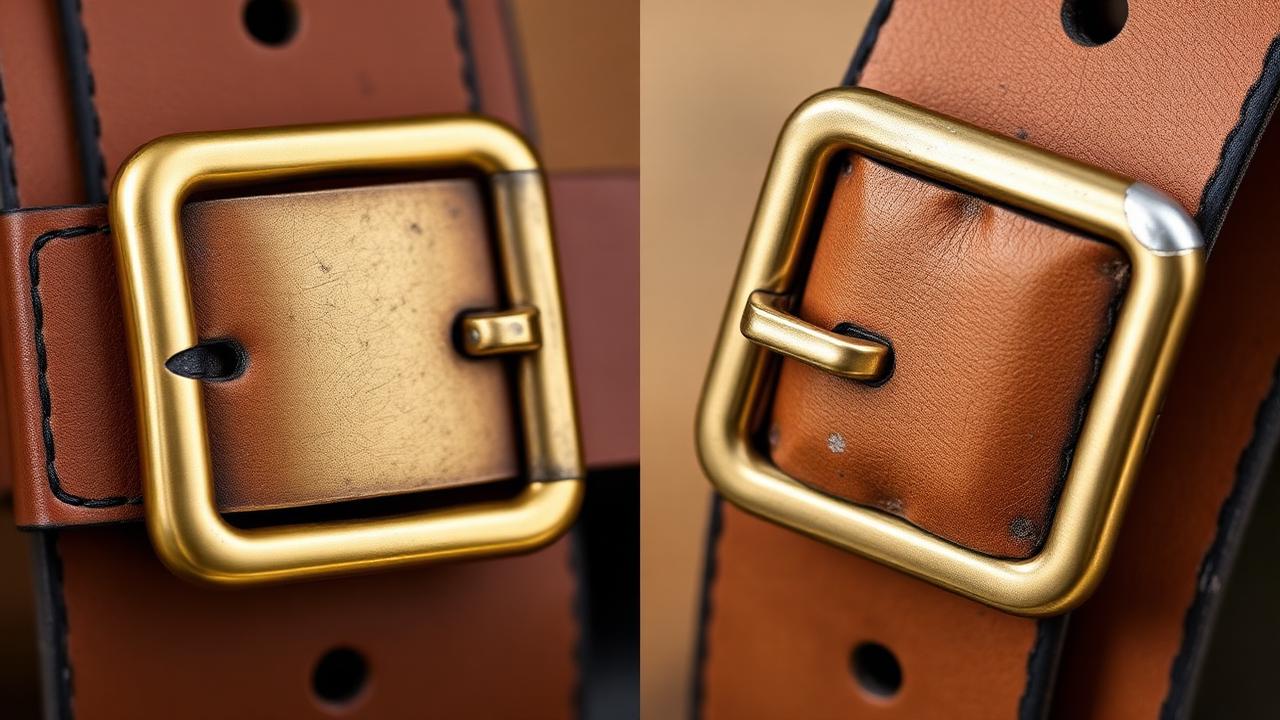
Recycled & Sustainable Leather Hardware: The 2026 Buyer's Guide

Walk any 2026 trade show and you'll see the same three words on hardware booths: recycled, responsible, certified. Recycled brass buckles, low-impact PVD, and certified zippers are the fastest-growing slice of the leather hardware market — but the gap between a genuine sustainability story and a marketing sticker is enormous.
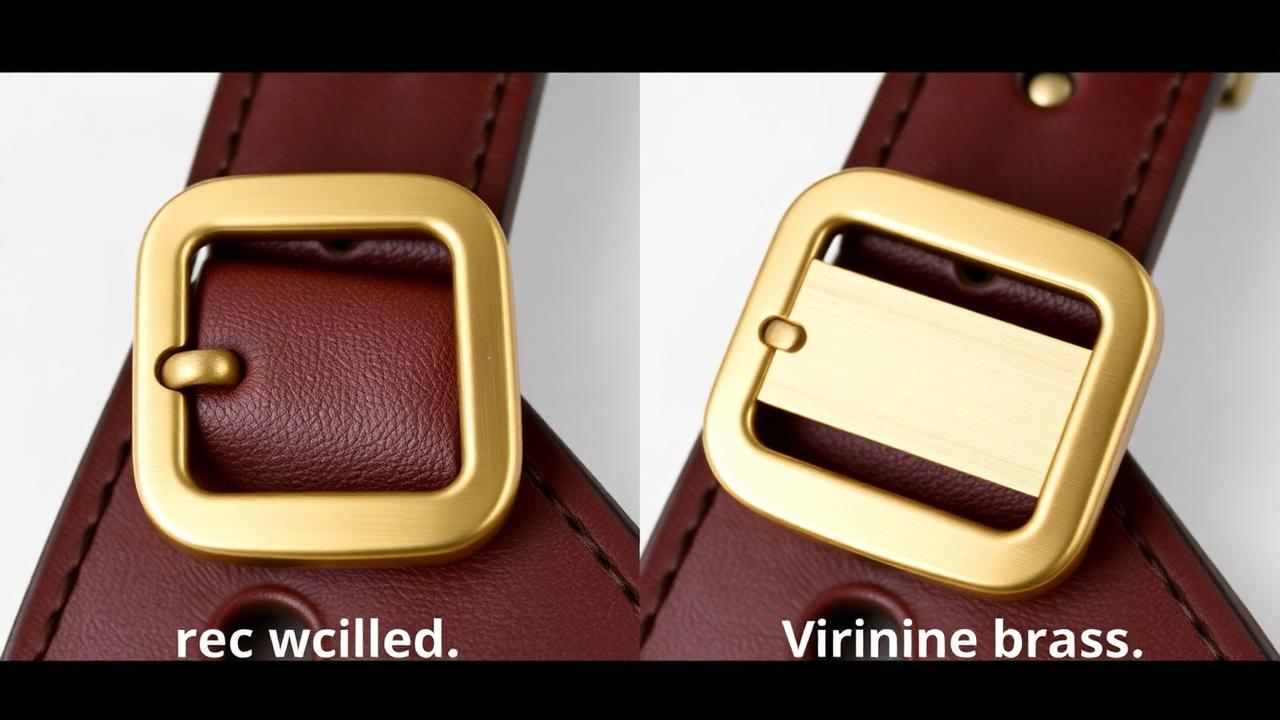
This guide breaks down what's actually changed in 2026, which materials and certifications are worth specifying, and how to read a hardware spec sheet without getting greenwashed.
Why sustainable hardware finally matters in 2026
Three pressures hit at once:
- EU regulation. The Ecodesign for Sustainable Products Regulation (ESPR) and the upcoming Digital Product Passport require traceable material data on leather goods sold in the EU starting with phased rollouts through 2026–2027.
- Brand-level Scope 3 reporting. Luxury and mid-tier brands are publishing supplier emissions, and metal hardware is one of the highest-impact line items per gram on a finished bag.
- Buyer scrutiny. A 2025 McKinsey report on conscious consumers found 62% of premium leather buyers now ask about hardware origin — up from 28% in 2021.
Recycled brass: the headline material
Brass is the workhorse of leather hardware — buckles, D-rings, rivets, conchos. It's also one of the easiest metals to recycle: brass can be melted and re-alloyed indefinitely with no loss of mechanical performance.
What "recycled brass" actually means
There are two recycled streams:
- Pre-consumer (industrial) scrap. Offcuts and turnings from brass manufacturing. Already the dominant input for most "brass" hardware globally — even non-marketed pieces are typically 60–80% recycled content by mass.
- Post-consumer scrap. Recovered from plumbing fittings, electrical components, and end-of-life products. Lower volumes, higher impact reduction, and the basis for most genuine "recycled brass" claims.
A credible 2026 spec sheet states the post-consumer recycled content percentage and references a mass-balance certification such as RJC Chain-of-Custody or ISO 14021 self-declared environmental claims verified by a third party.
Performance vs. virgin brass
None. Properly re-alloyed recycled brass (CuZn37, CuZn39Pb3, etc.) matches virgin brass on hardness, corrosion resistance, and finish quality. Any visual difference is cosmetic — usually a slightly warmer tone before plating, which disappears under nickel, gold, or PVD finishes.
The plating problem (and what's changing)
Electroplating is where most of leather hardware's environmental footprint actually lives — heavy-metal effluents, hexavalent chromium in older lines, and high water use. The 2026 shift:
- Trivalent chromium plating is replacing hexavalent chrome across mid-tier suppliers. Visually indistinguishable, dramatically lower toxicity.
- Low-impact PVD (Physical Vapor Deposition) uses no plating baths — coatings are vaporized onto hardware in a vacuum chamber. Pair it with recycled brass and you have the lowest-impact premium finish currently available. See our matte black PVD guide for the durability tradeoffs.
- Closed-loop water systems in Italian and Japanese platers now recycle 90%+ of process water. Ask suppliers for their water-use intensity per kg of hardware finished.
Sustainable zippers in 2026
Zippers are the largest single hardware component on most bags, so they move the footprint meaningfully.
- YKK NATULON® uses recycled polyester tape (post-consumer PET bottles). The slider and teeth on premium versions are recycled brass.
- YKK GreenRise™ uses bio-based polyester from sugarcane-derived ethanol.
- RIRI Green Line combines recycled brass teeth with bluesign-certified tapes.
- bluesign® and OEKO-TEX® STANDARD 100 are the two certifications worth looking for on zipper tape chemistry.
For a deeper comparison of premium zipper systems, see our YKK vs RIRI breakdown.
Certifications cheat sheet
- RJC Chain-of-Custody: traces precious and non-precious metals through the supply chain.
- ISO 14021: rules for self-declared environmental claims (e.g. "X% recycled content").
- ISO 14001: environmental management system at the factory level.
- bluesign®: chemistry, water, and energy criteria — strong for textile-tape components.
- OEKO-TEX® STANDARD 100: tested for harmful substances; common on zipper tapes and webbing.
- EPD (Environmental Product Declaration): third-party verified life-cycle assessment for a specific product.
An RJC certificate from the smelter plus an ISO 14021 statement from the hardware maker is the cleanest paper trail you can ask for in 2026.
What it actually costs
- Recycled brass buckle vs. standard brass: +0–8% at scale.
- Trivalent chrome plating vs. hex chrome: +3–10%.
- NATULON recycled zipper vs. standard YKK: +10–25%.
- Low-impact PVD over recycled brass: 2–4× a basic plated zinc piece — but competitive with conventional PVD.
The cost delta is small enough that for any bag retailing above ~$250, sustainable hardware is now an obvious upgrade rather than a premium gamble.
How to avoid greenwashing
- Ask for a percentage. "Made with recycled materials" without a number is meaningless. Push for post-consumer content %.
- Ask for the certificate. A reputable supplier sends the RJC or ISO documentation without friction.
- Look at the whole part. A "recycled brass" buckle with a virgin zinc tongue and uncertified plating is still mostly conventional.
- Beware "eco" finishes with no spec. "Eco PVD" or "green plating" without a named process is marketing language, not a material claim.
- Cross-check the LCA. If a supplier publishes an EPD, the numbers should match their marketing.
Sourcing landscape in 2026
- Italy (Lombardy, Veneto): the strongest cluster for certified recycled brass and bluesign-aligned plating. Higher MOQs and prices.
- Japan: YKK leads on certified recycled zippers; smaller specialty foundries (Osaka, Niigata) for recycled brass castings.
- Spain and Portugal: growing mid-volume option for recycled brass with EU regulatory compliance built in.
- China (Guangdong, Wenzhou): rapid adoption of recycled brass and trivalent plating at the upper-mid tier. Insist on independent certification — internal claims vary widely in rigor.
Care and product longevity
The most sustainable hardware is hardware that lasts. Recycled brass and PVD both reward basic care: occasional wipe-down, no abrasive polishes, and a light oil on moving parts (snap springs, zipper sliders) every few months. See our rivets and fasteners guide for repair-friendly construction choices that extend a bag's life by years.
Key takeaways
- Recycled brass matches virgin brass on every performance metric — insist on post-consumer percentages and RJC paperwork.
- Plating is the real footprint driver; trivalent chrome and low-impact PVD are the meaningful 2026 upgrades.
- YKK NATULON, GreenRise, and RIRI Green Line are the credible certified zipper choices.
- bluesign and OEKO-TEX cover tape and textile components; RJC and ISO 14021 cover metals.
- Cost premiums are now small enough to justify sustainable hardware on most bags above $250 retail.
FAQ
Is recycled brass weaker than virgin brass?
No. Properly re-alloyed recycled brass meets the same ASTM and EN standards as virgin material. Mechanical performance is identical.
Does "vegan hardware" mean sustainable?
Not necessarily. Vegan refers to animal-free components (no bone, horn, or leather wrapping). Most metal hardware is already vegan. Sustainability is a separate question about materials and processes.
Are magnetic closures recyclable?
The brass or steel housing is recyclable; the neodymium magnet inside is not currently recovered at scale. For end-of-life recyclability, mechanical closures (turn locks, push locks, buckles) score better.
How do I verify a supplier's recycled content claim?
Request the mill or smelter certificate (typically RJC or ISO 14021), and confirm the chain-of-custody documents trace to the specific batch on your purchase order.
Conclusion
Sustainable hardware in 2026 isn't about choosing between performance and conscience — recycled brass, certified zippers, and low-impact PVD now match conventional hardware on durability, finish, and (increasingly) cost. The brands and makers winning with it are the ones treating it as a spec discipline: real percentages, real certificates, real chain-of-custody. Everything else is a sticker.
Specifying sustainable hardware on your next collection? Share what you're sourcing in the comments, send this guide to a fellow maker, or explore our trends and buying advice archive for more deep dives.
Enjoyed this guide?
Browse more in Trends, Materials & Buying Advice or share this article with another leather maker who'd find it useful.