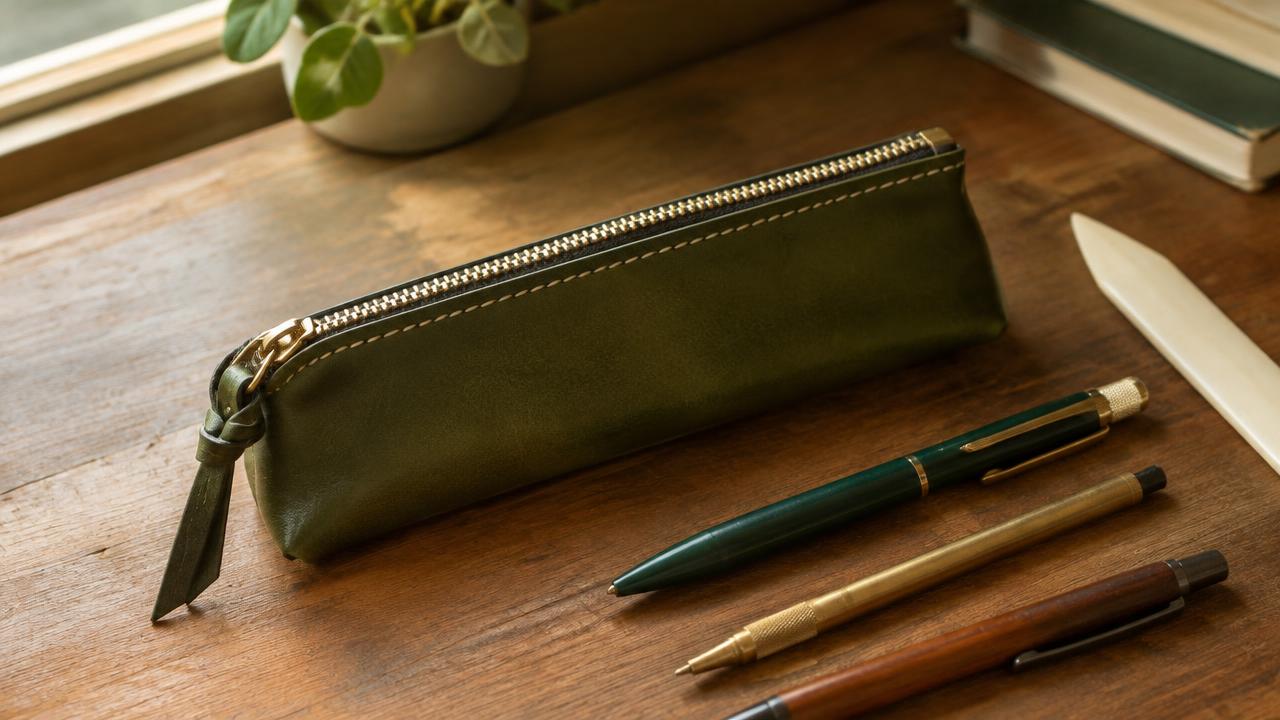
How to Make a Leather Zippered Pouch: The Beginner's First Zipper Project
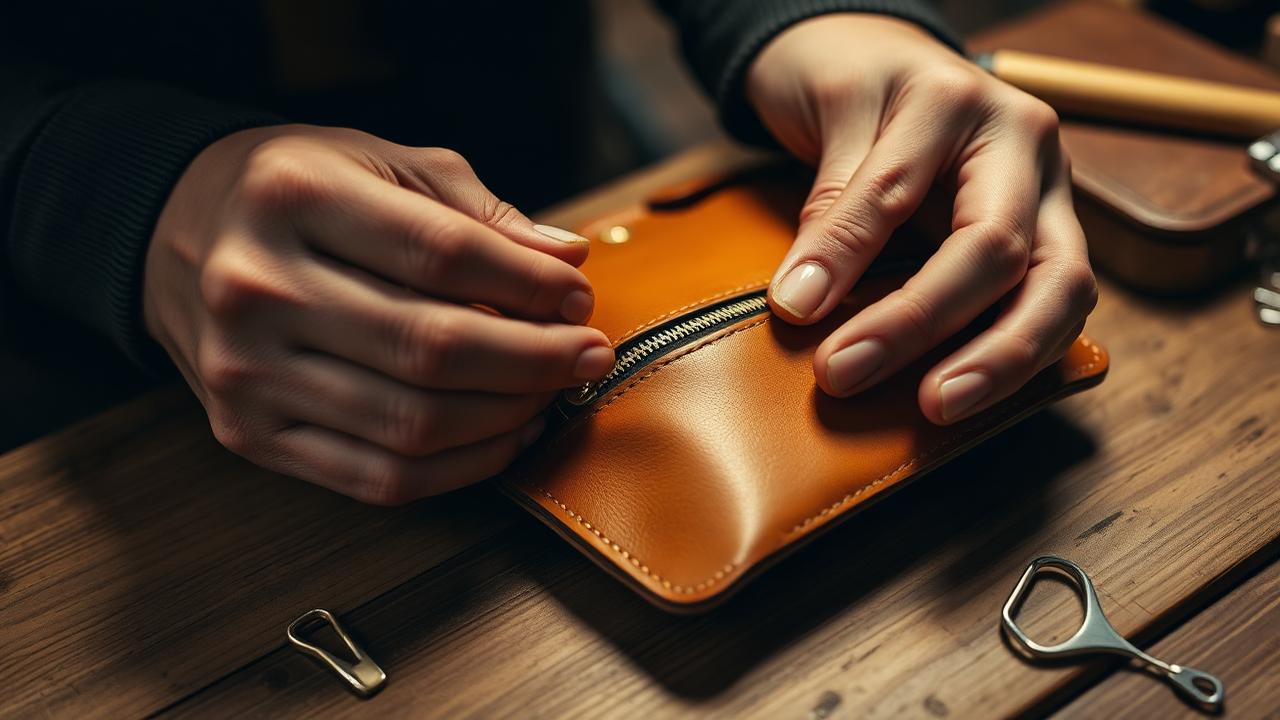
One zipper, four pieces of leather, two evenings — the zippered pouch is the build that teaches zipper installation on a forgiving scale before you tackle a full bag.
Step-by-step leathercraft tutorials covering hardware installation, tools, finishing, and techniques.

One zipper, four pieces of leather, two evenings — the zippered pouch is the build that teaches zipper installation on a forgiving scale before you tackle a full bag.

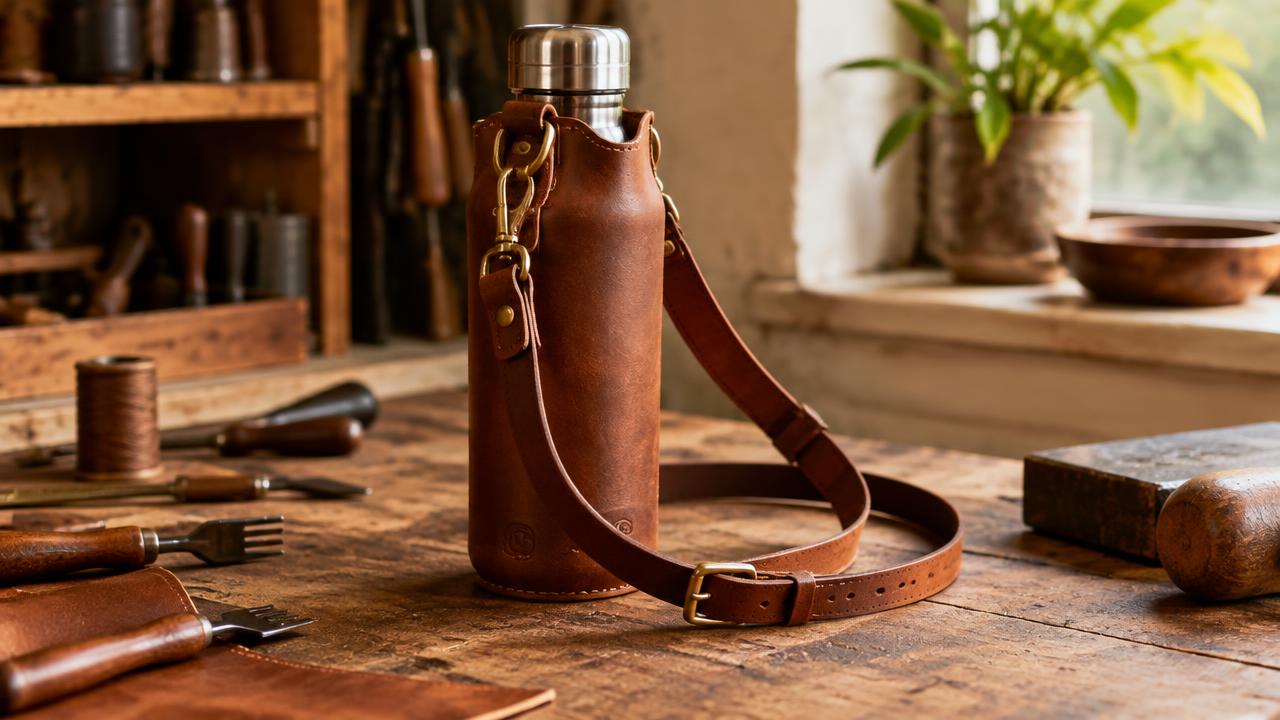
The bottle sling is 2026's most requested carry build — a molded or stitched leather sleeve with an adjustable strap that ages like a good bag strap should.

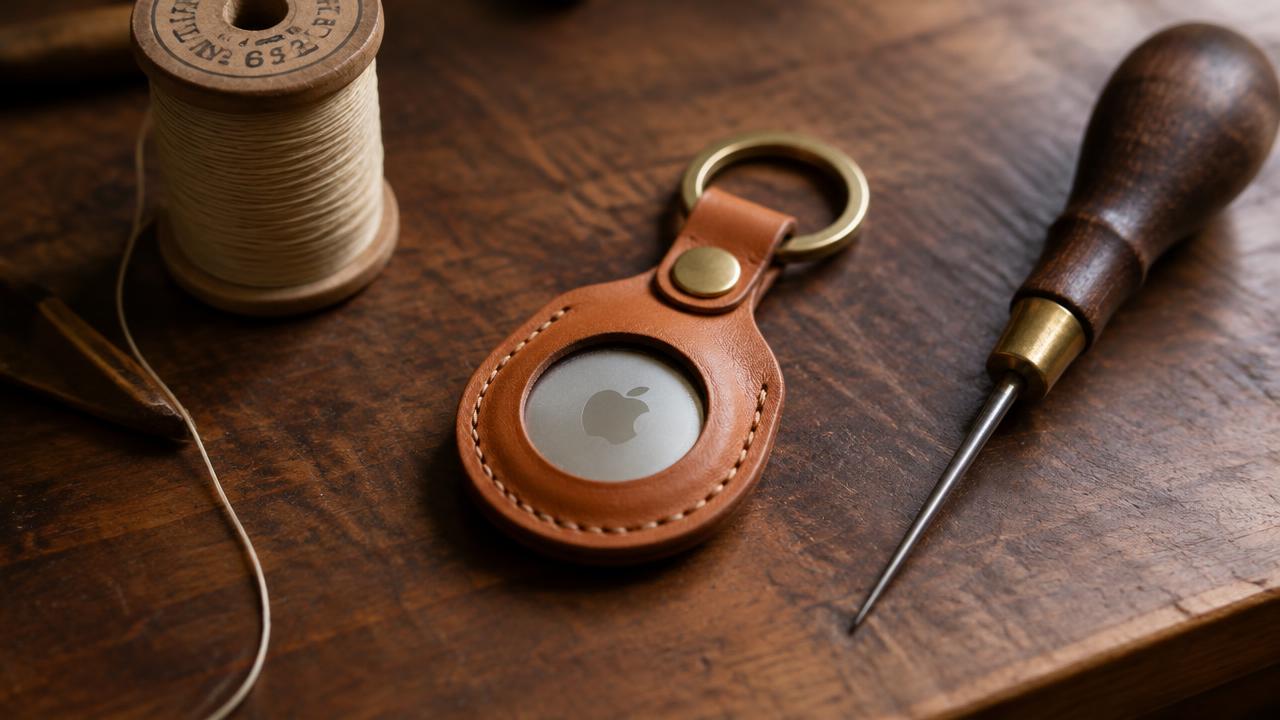
The AirTag case is the perfect one-evening build — a 32 mm circle, one piece of hardware, and the choice between a visible window and a fully enclosed sleeve.

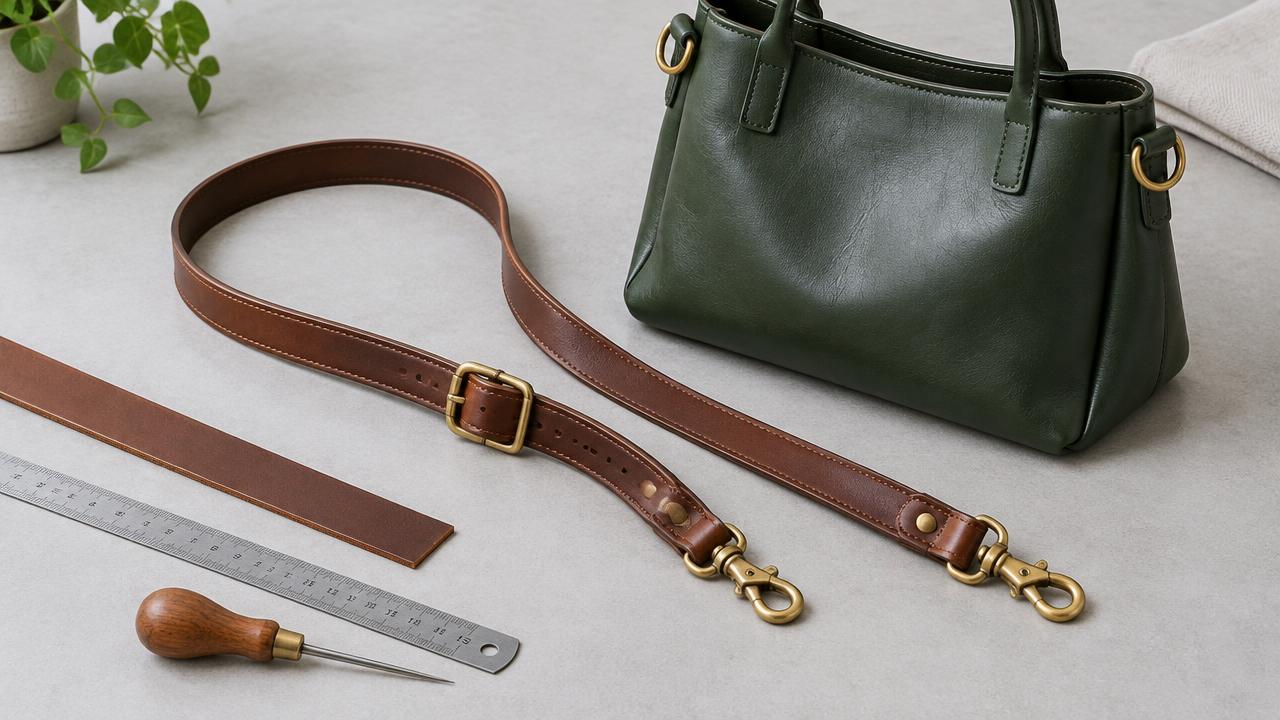
Repair a favourite bag with a properly sized replacement strap, compatible hooks and reinforced leather folds.

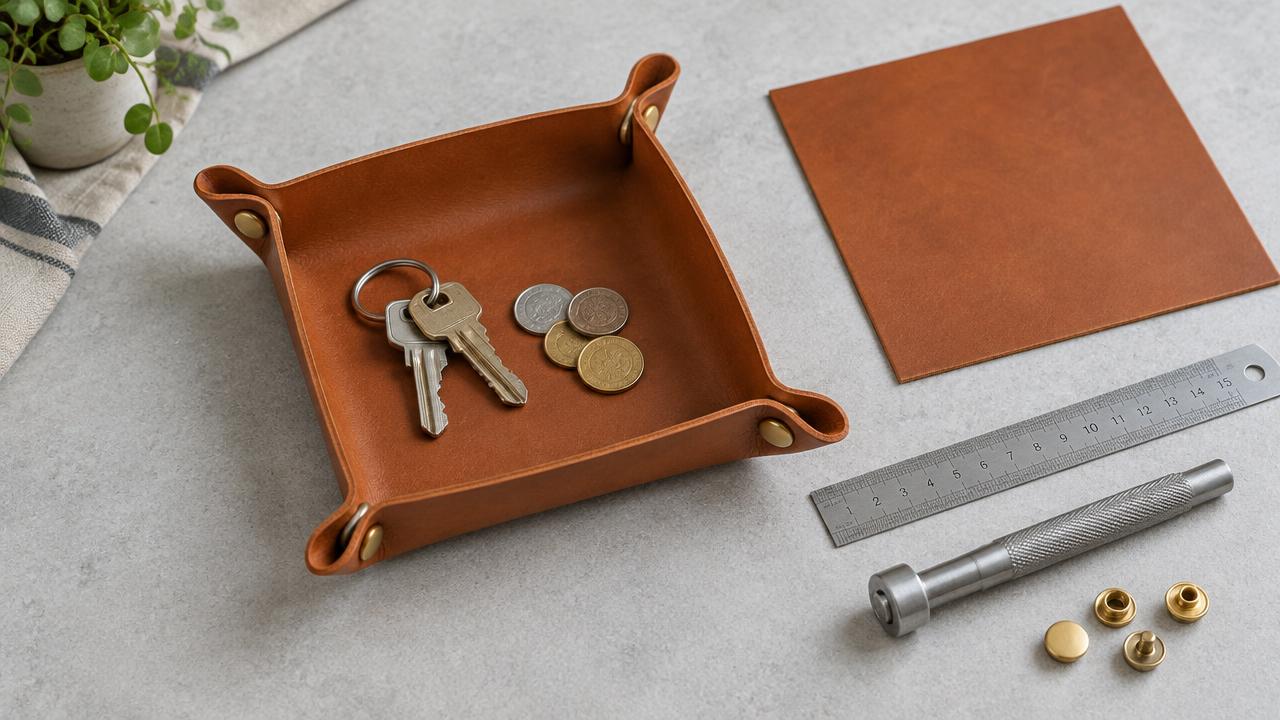
Turn a leather offcut into a catchall tray with four snap corners—no sewing machine or wet molding required.

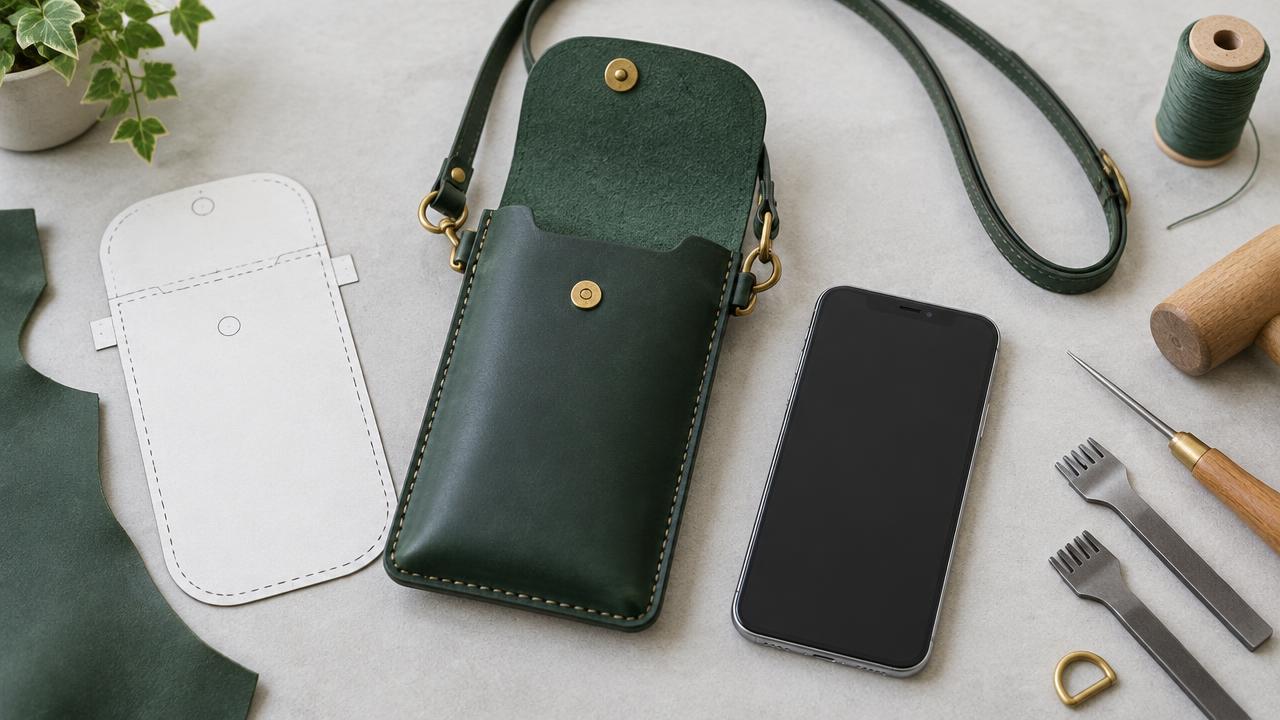
Build a made-to-measure phone pouch with a snap flap, reinforced D-ring tabs and a removable crossbody strap.

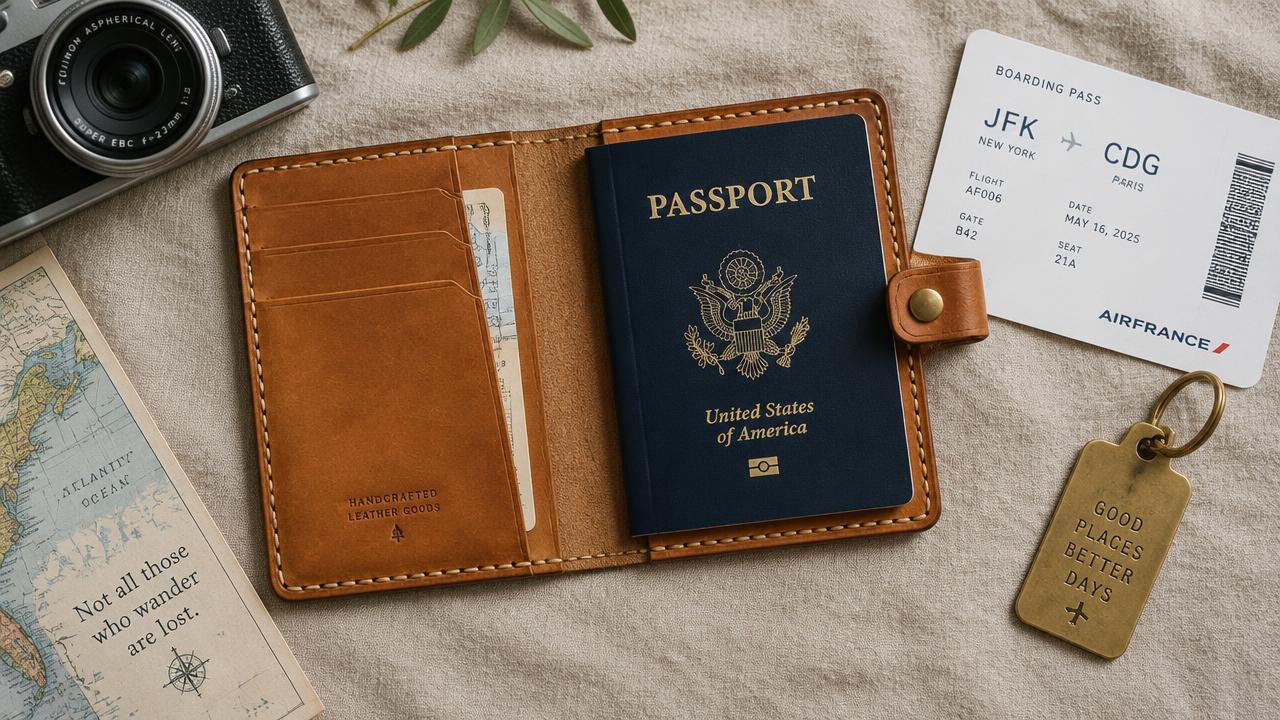
The passport wallet is the ideal first 'real' wallet build — a full pattern, the slot assembly order that avoids bulk, and a snap closure that survives security trays.

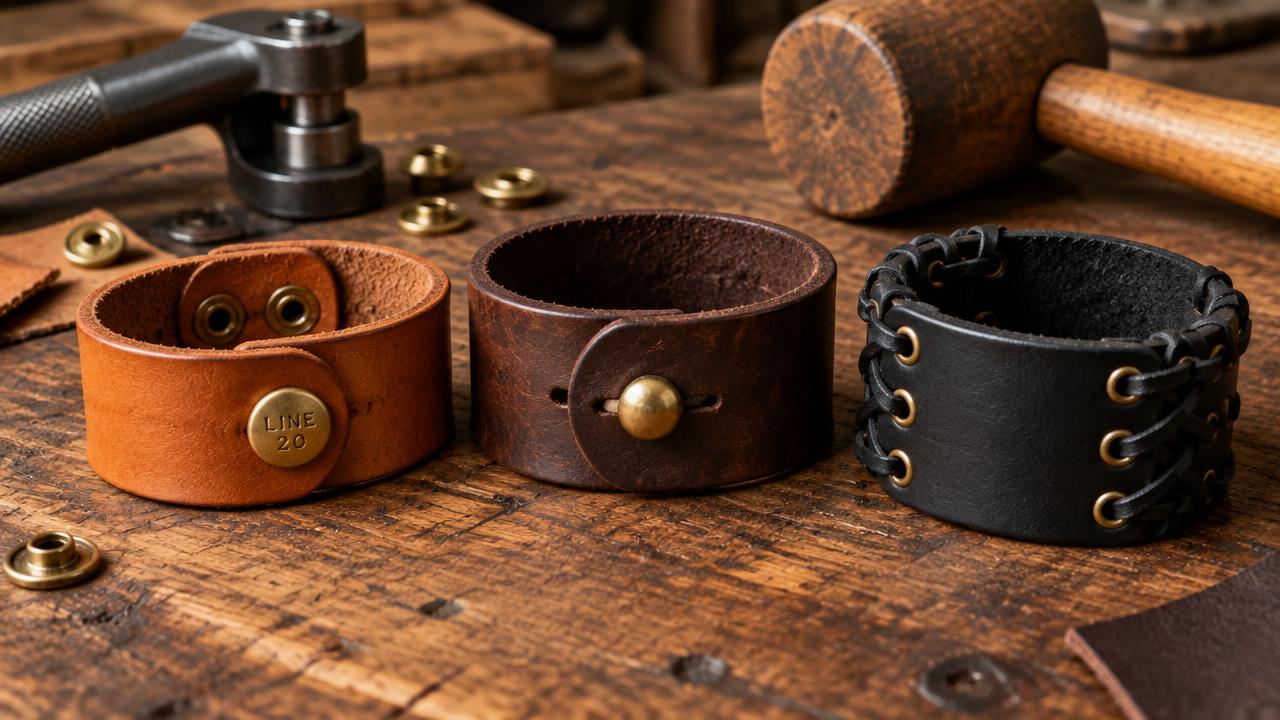
Three closure styles, one sizing chart, and an evening of work: the leather cuff is the highest-margin beginner project in the craft.

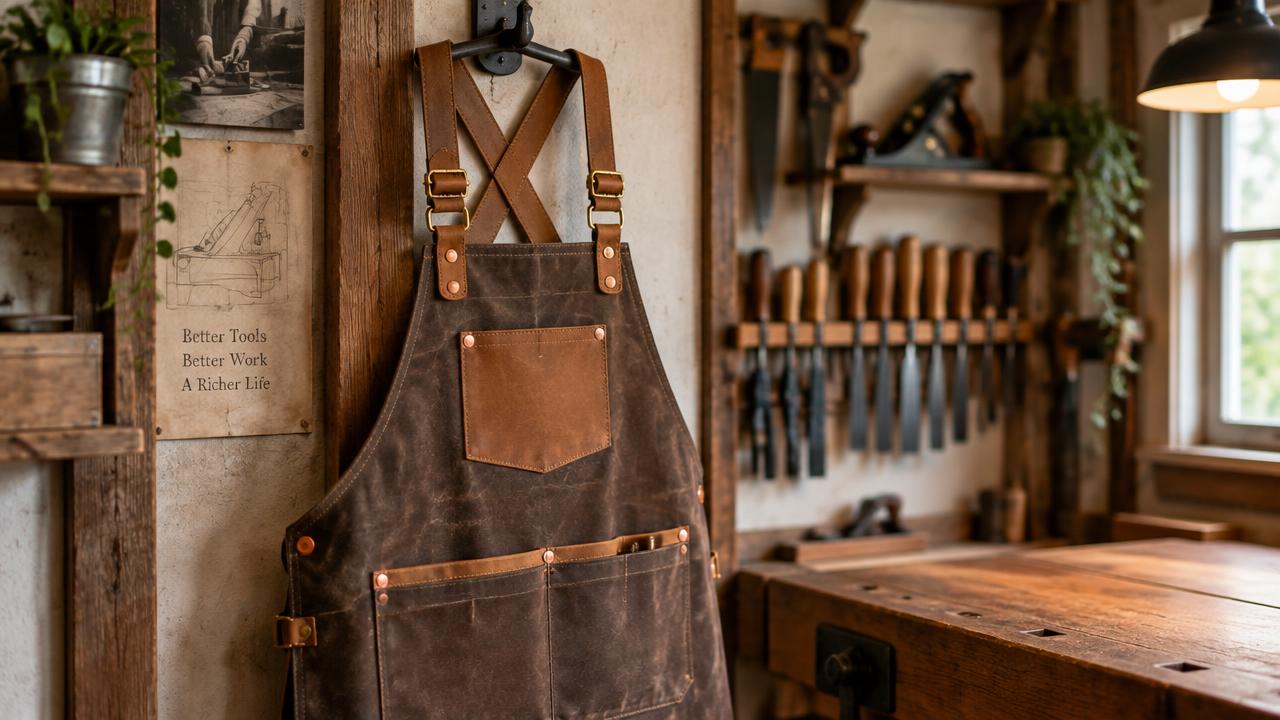
The cross-back apron is the flagship of workshop leathercraft — here is the full pattern, the hardware list, and every rivet and buckle decision explained.

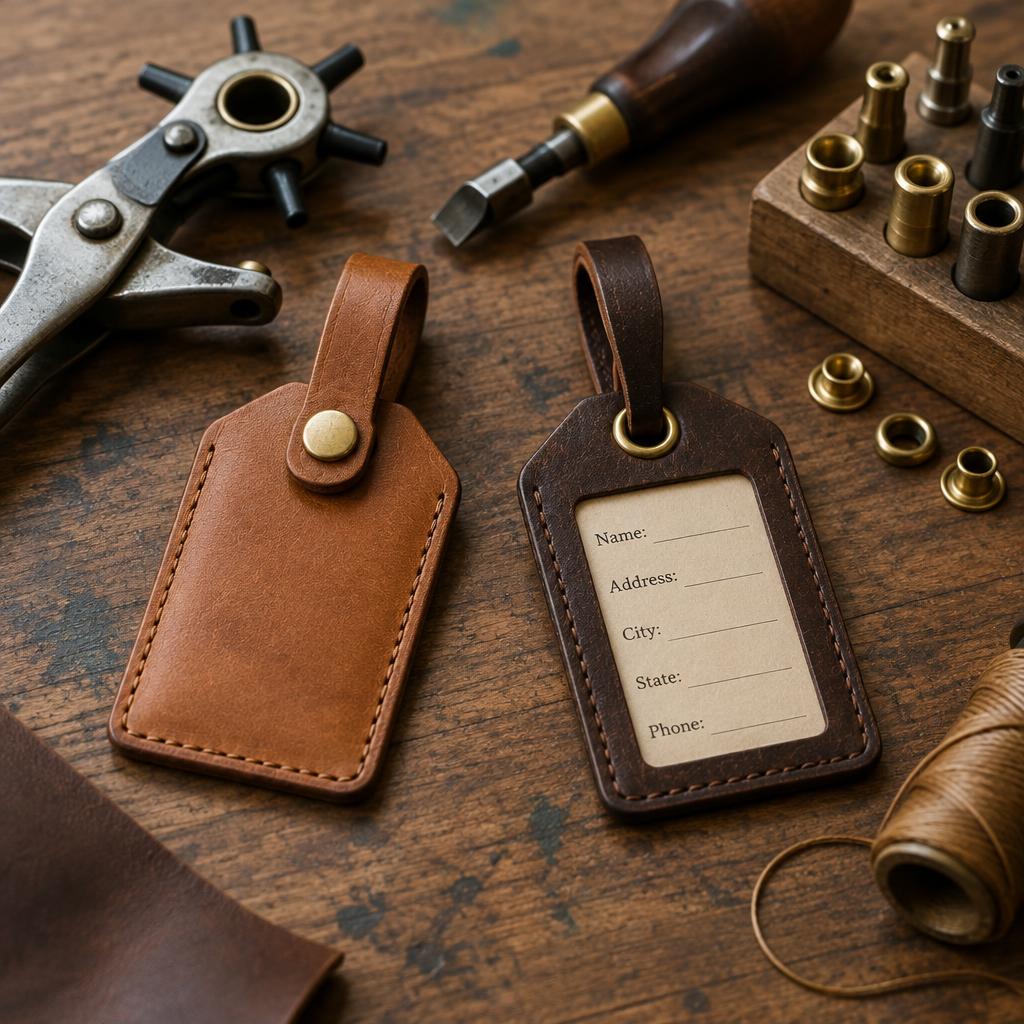
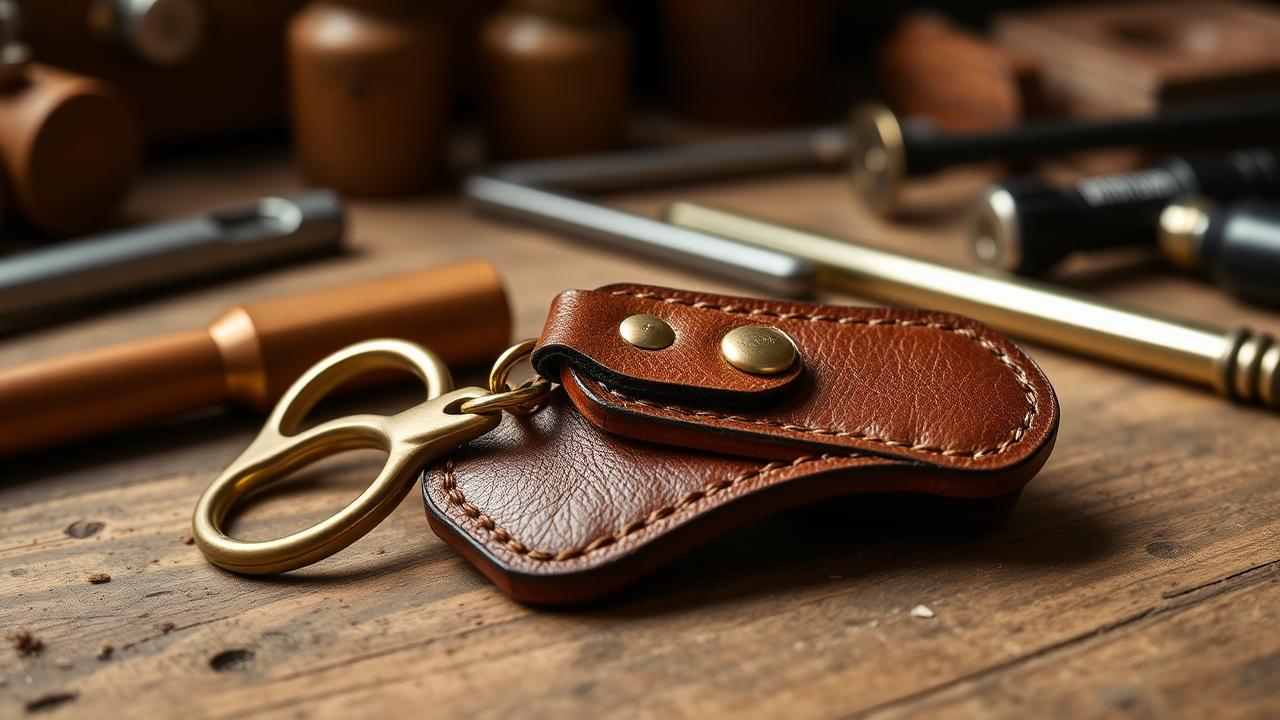
Two closure options, a privacy flap, and one evening of work: the leather luggage tag is the perfect micro-project for leftover hide and spare hardware.

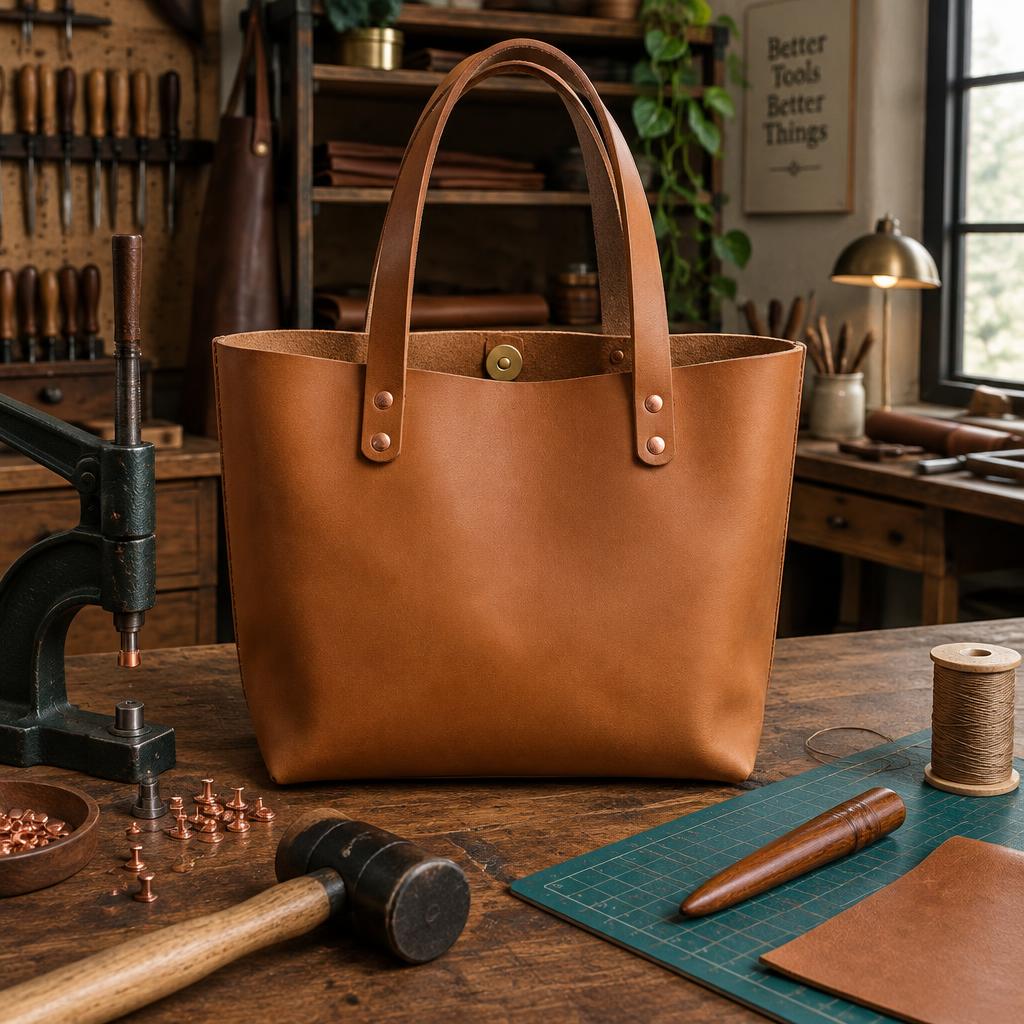
The leather tote is the best first bag project: straight cuts, riveted straps, one magnetic snap — and a result you'll carry every day. Full cutting list and assembly inside.

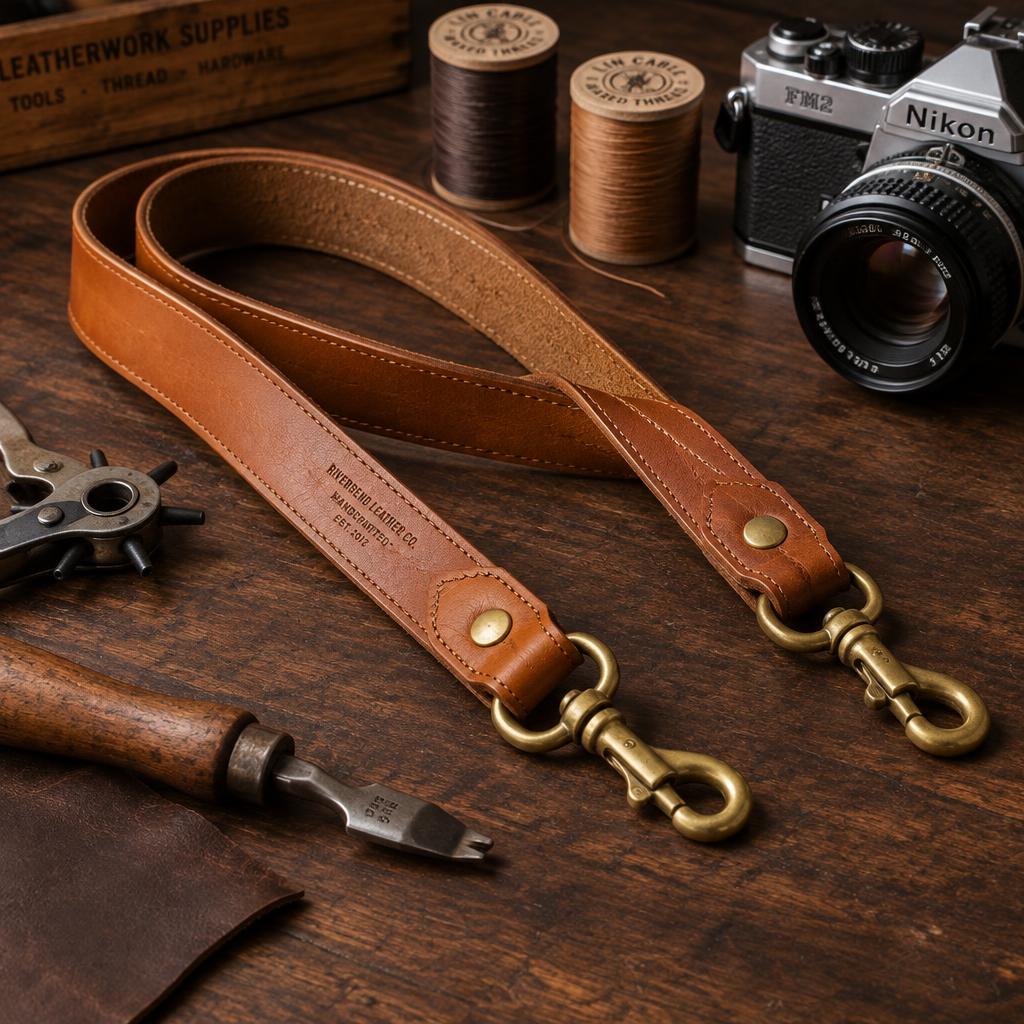
A handmade leather camera strap carries a lifetime of shots. Here's the full build — sizing, swivel hook attachment, rivets and a comfort pad option.

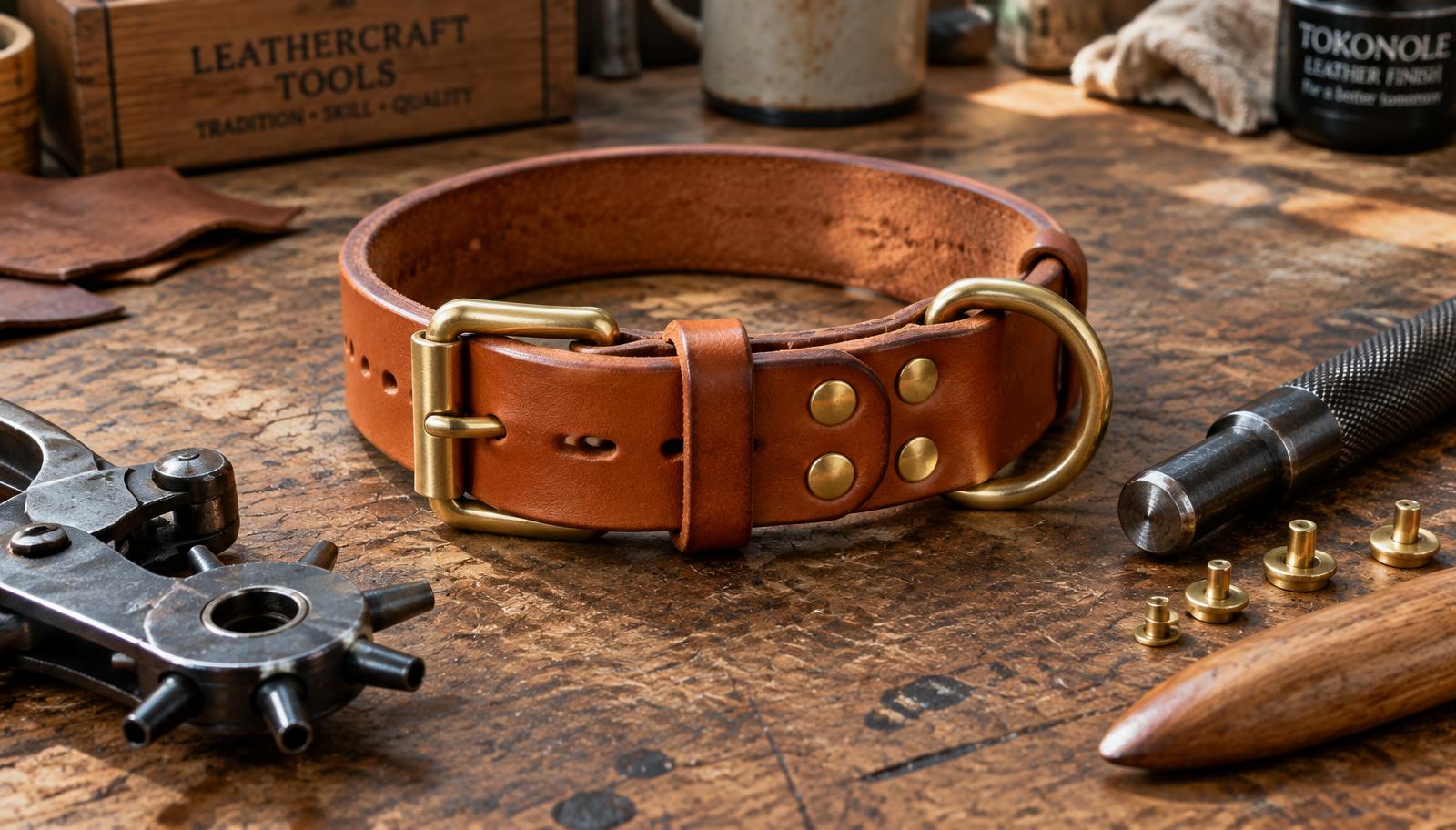
Strong leather, solid brass hardware and correct hole spacing — a handmade dog collar that lasts for years and fits right the first time.

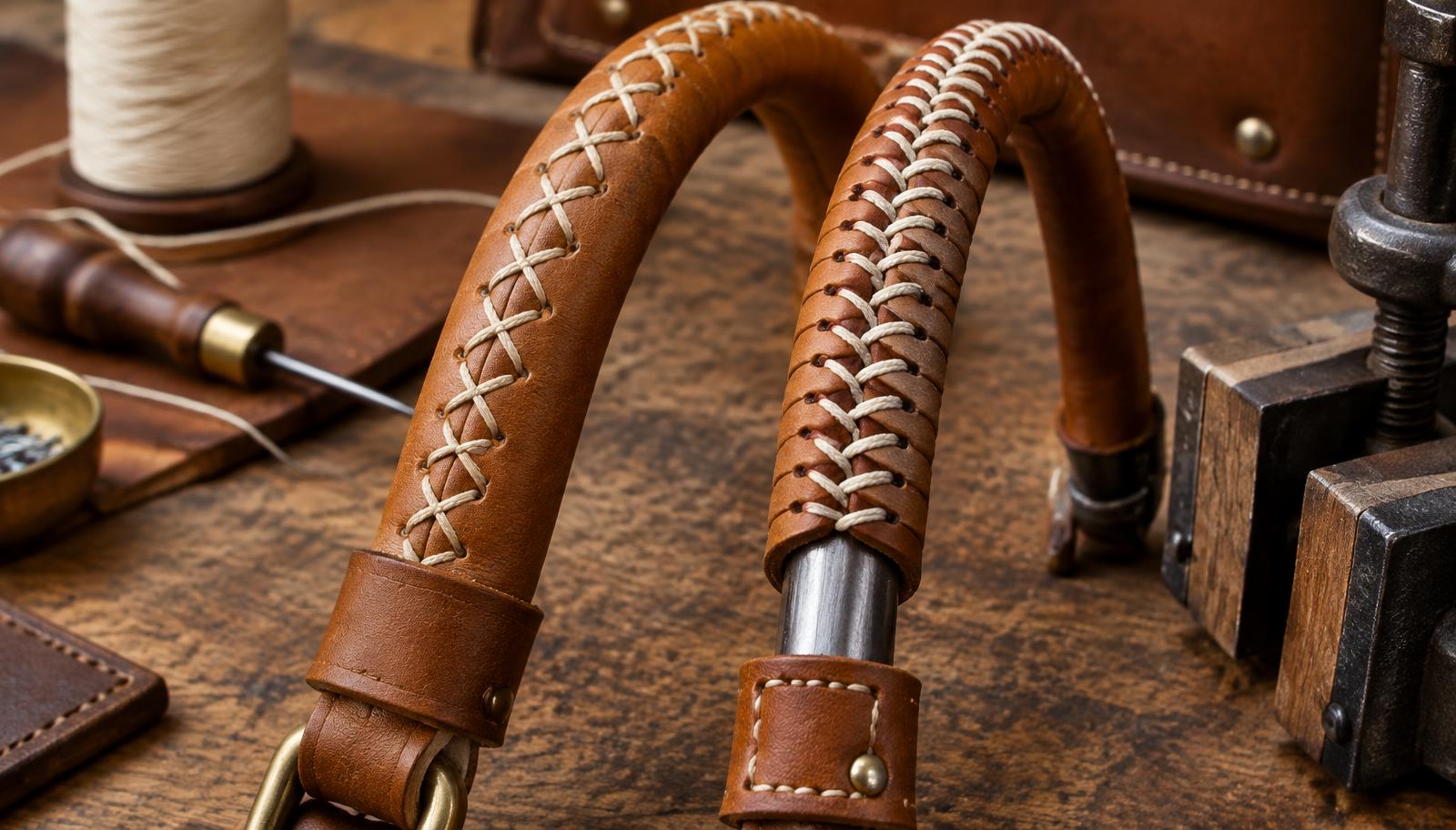
A wrapped handle is the signature detail of a handmade bag. Here's how to choose between cross-stitch and baseball stitch — and execute both cleanly.

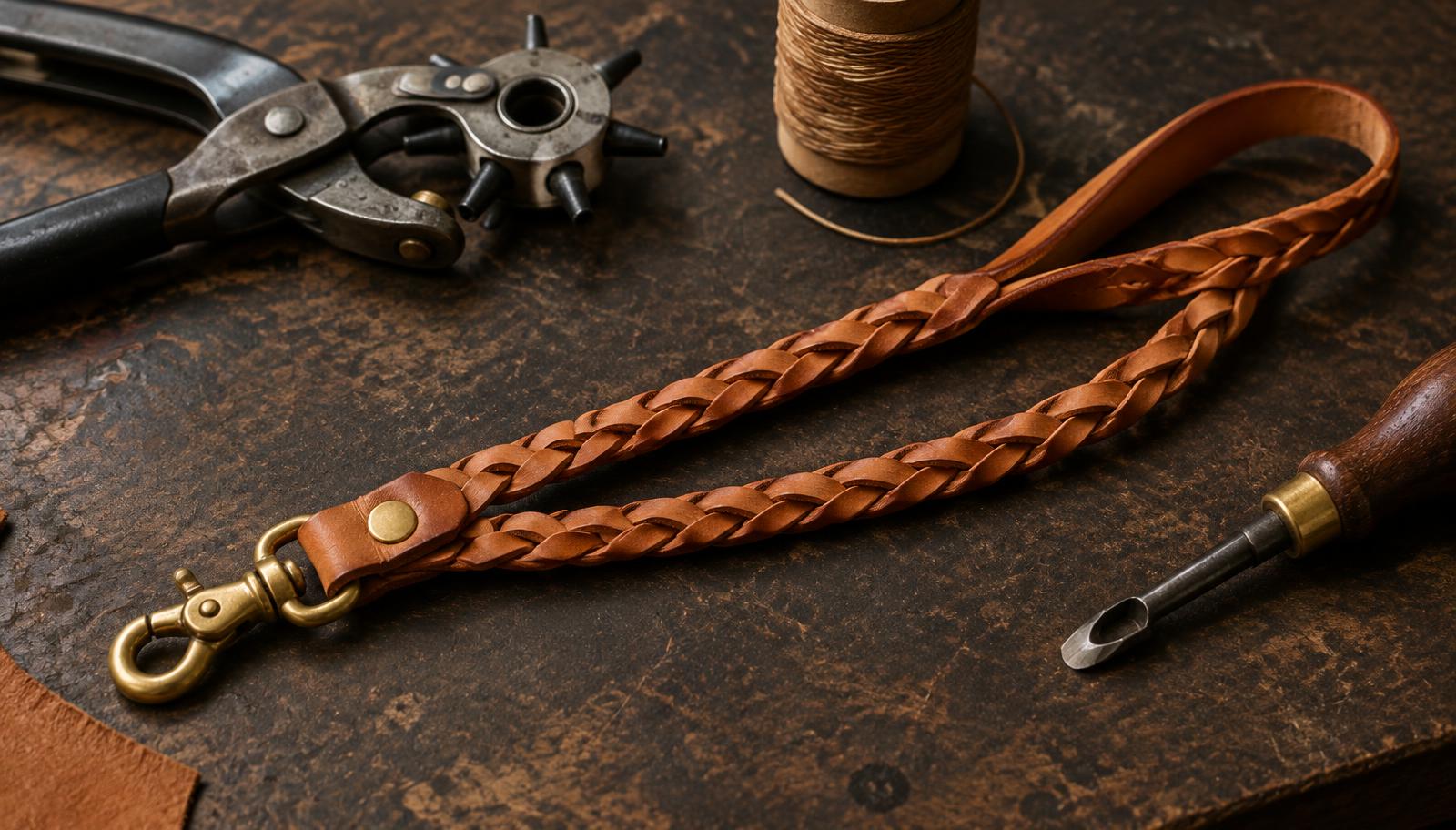
One strip of leather, three slits, and a swivel hook: the mystery braid turns a single piece of lacing into a professional lanyard in an afternoon.

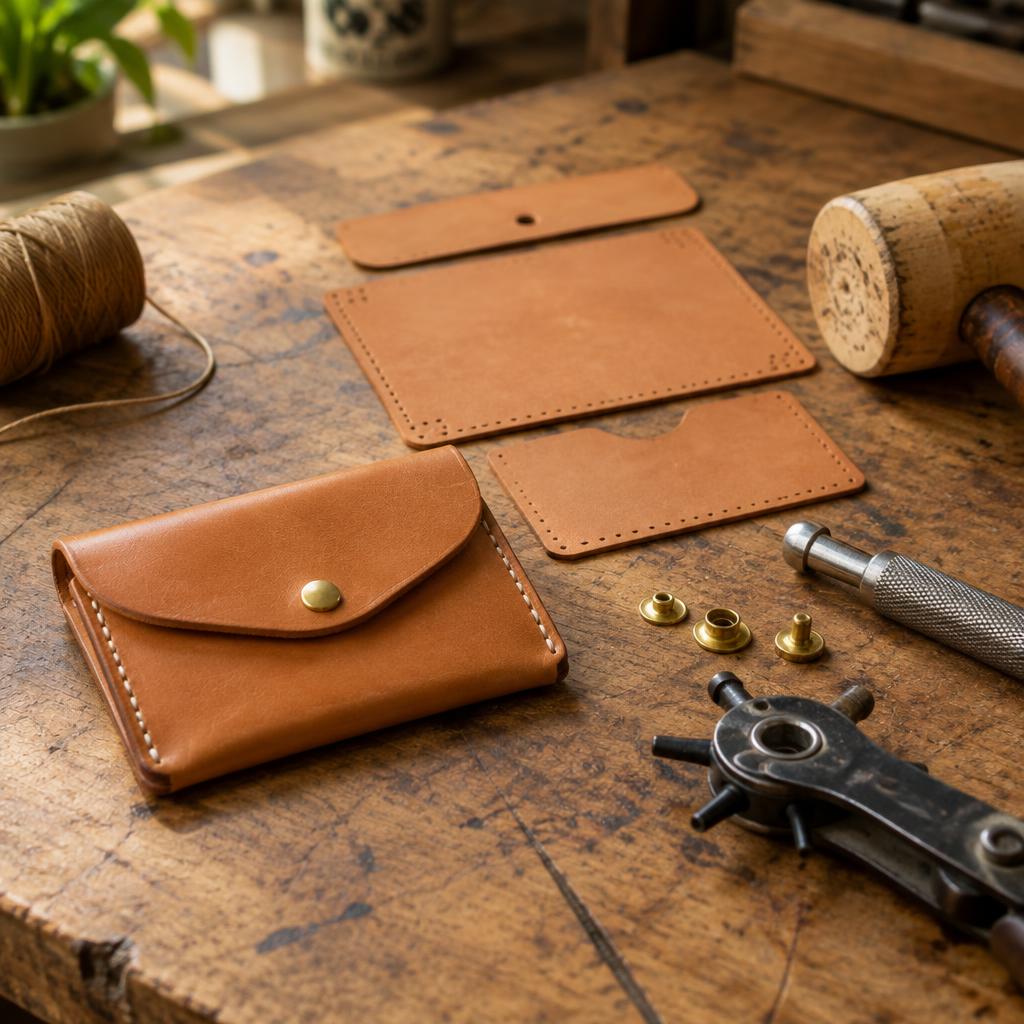
One sheet of leather, one snap, one evening. The card holder is the project that teaches cutting, stitching and hardware in a single build.

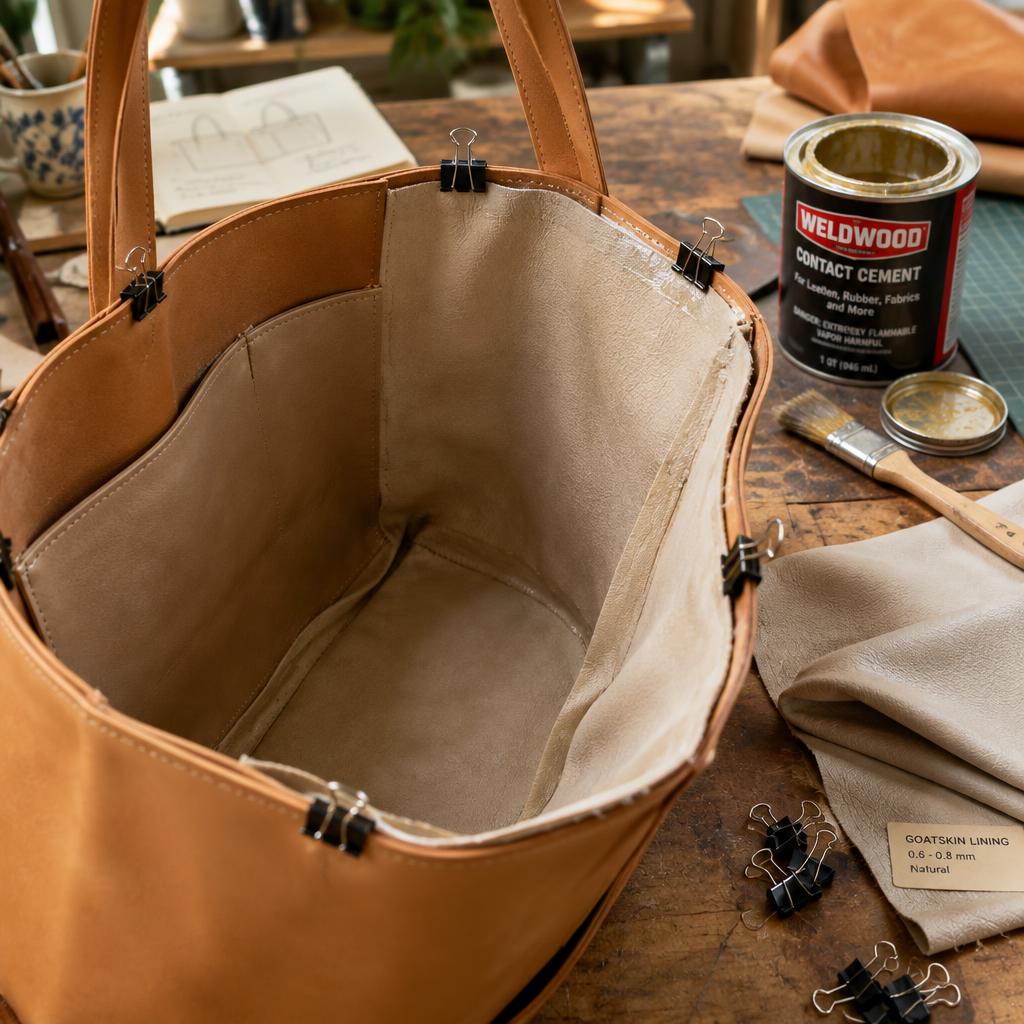
A good lining is invisible when done right and a bag-wrecker when done wrong. The difference is almost entirely the order of assembly.

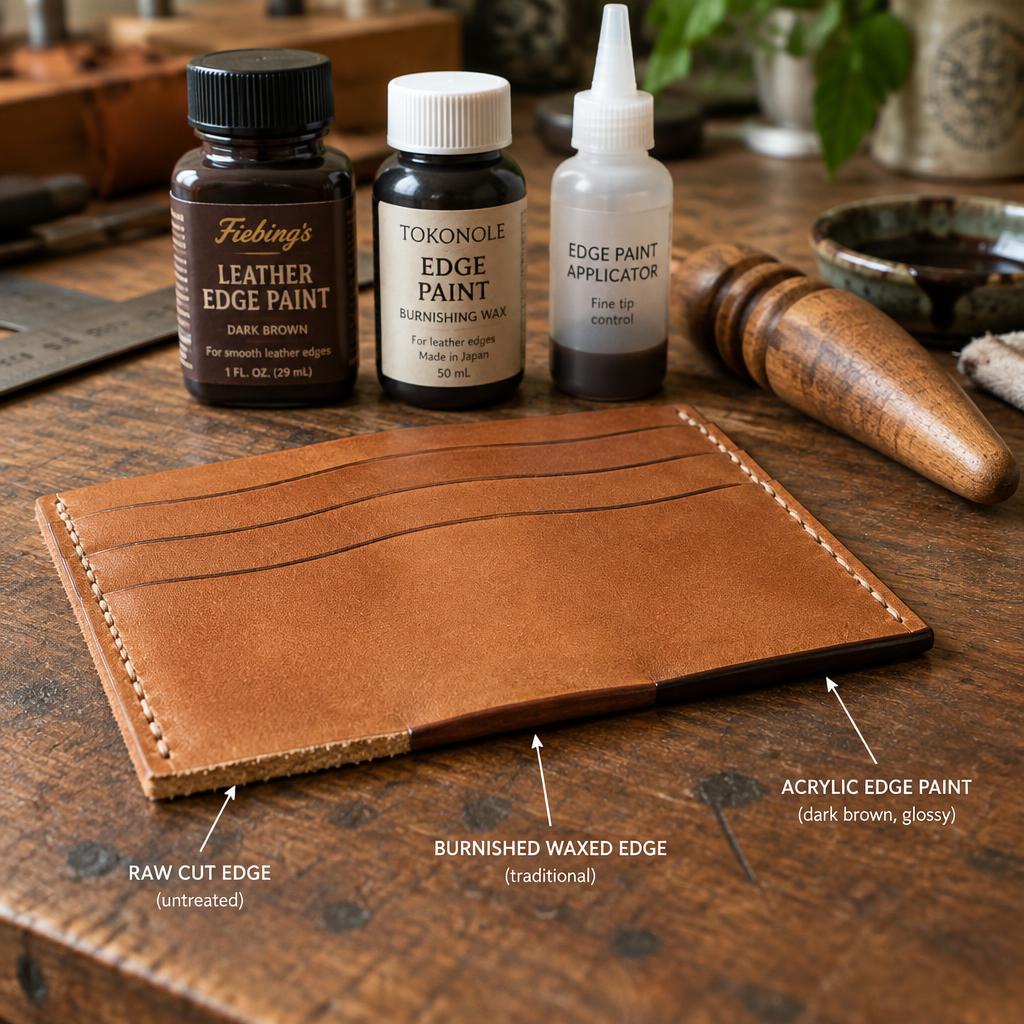
Edge paint and burnishing both seal a raw edge — but they behave completely differently on chrome-tan, veg-tan and thin leathers. Here is the honest comparison.

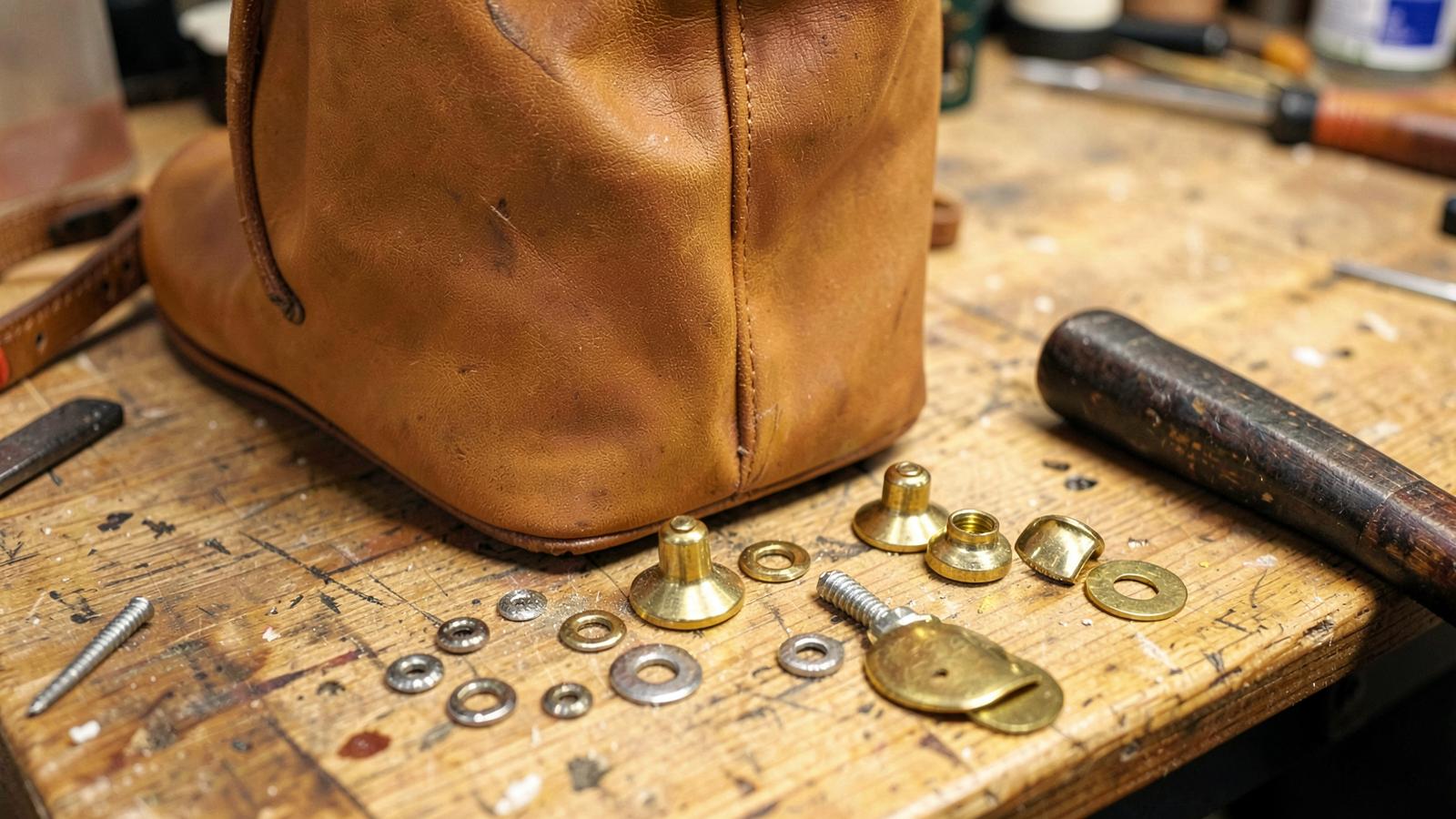
Bag feet are the cheapest way to double a bag's lifespan — and the easiest hardware to fit in a way that guarantees a hole in the base.

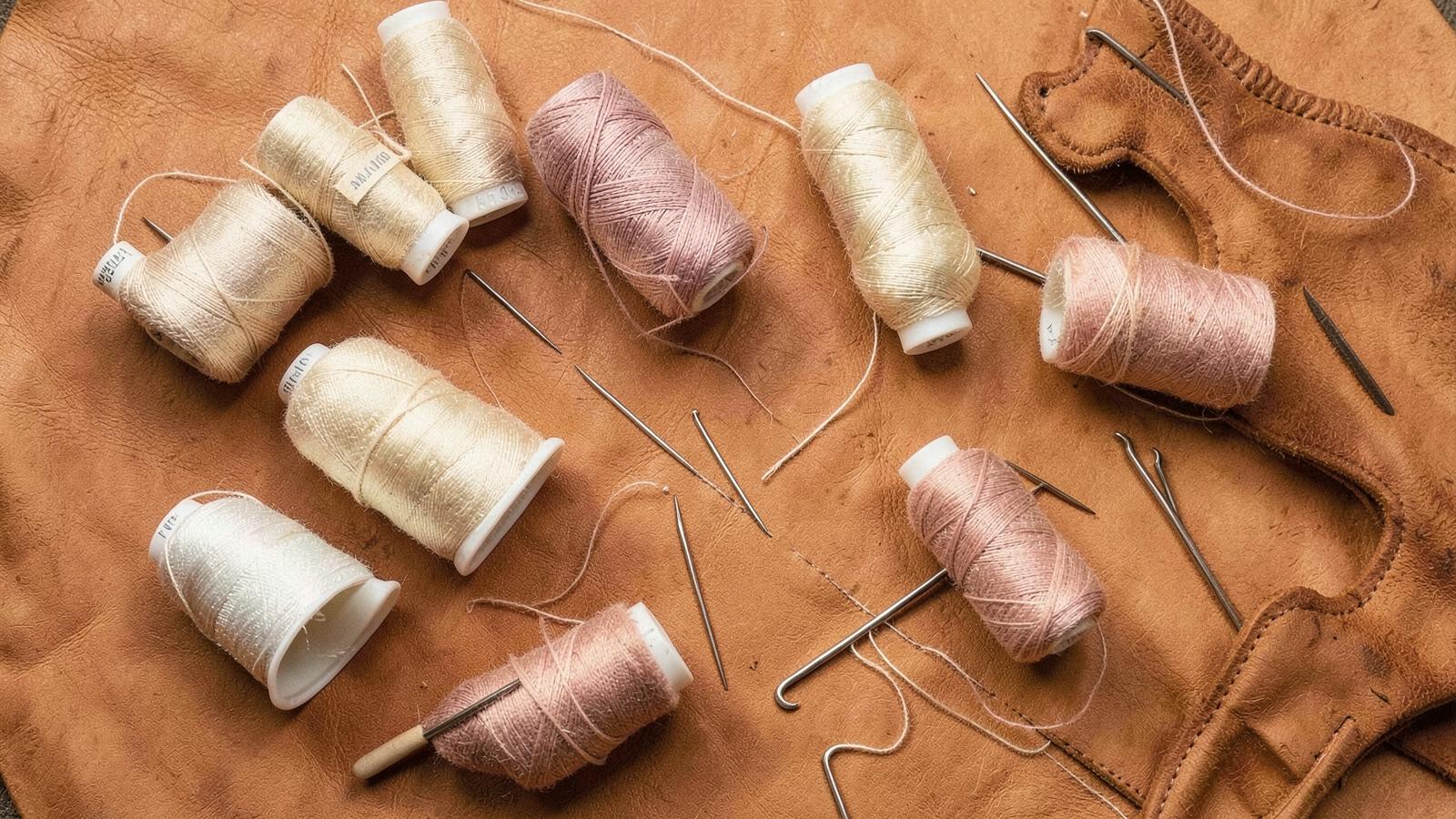
Thread choice decides whether your stitching survives ten years of use — and whether the stitch line looks proportioned or clumsy.
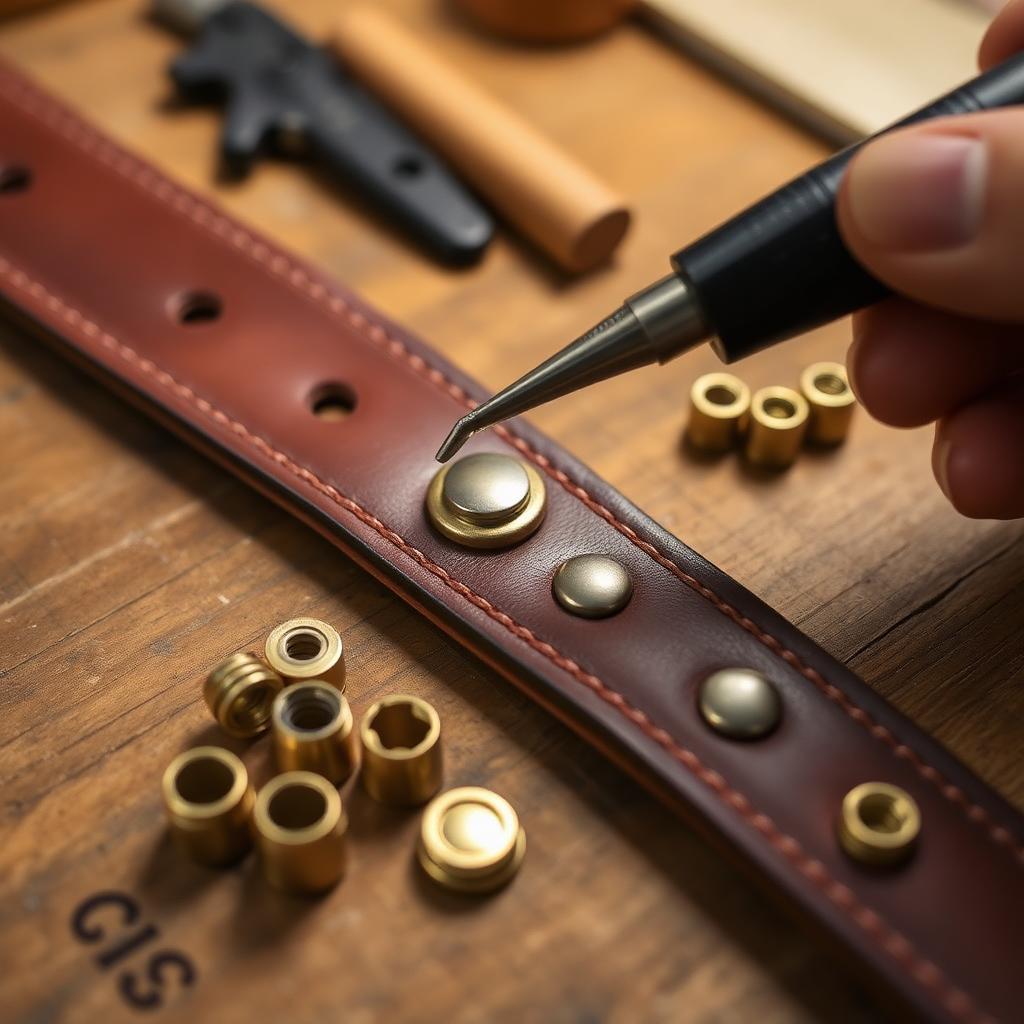
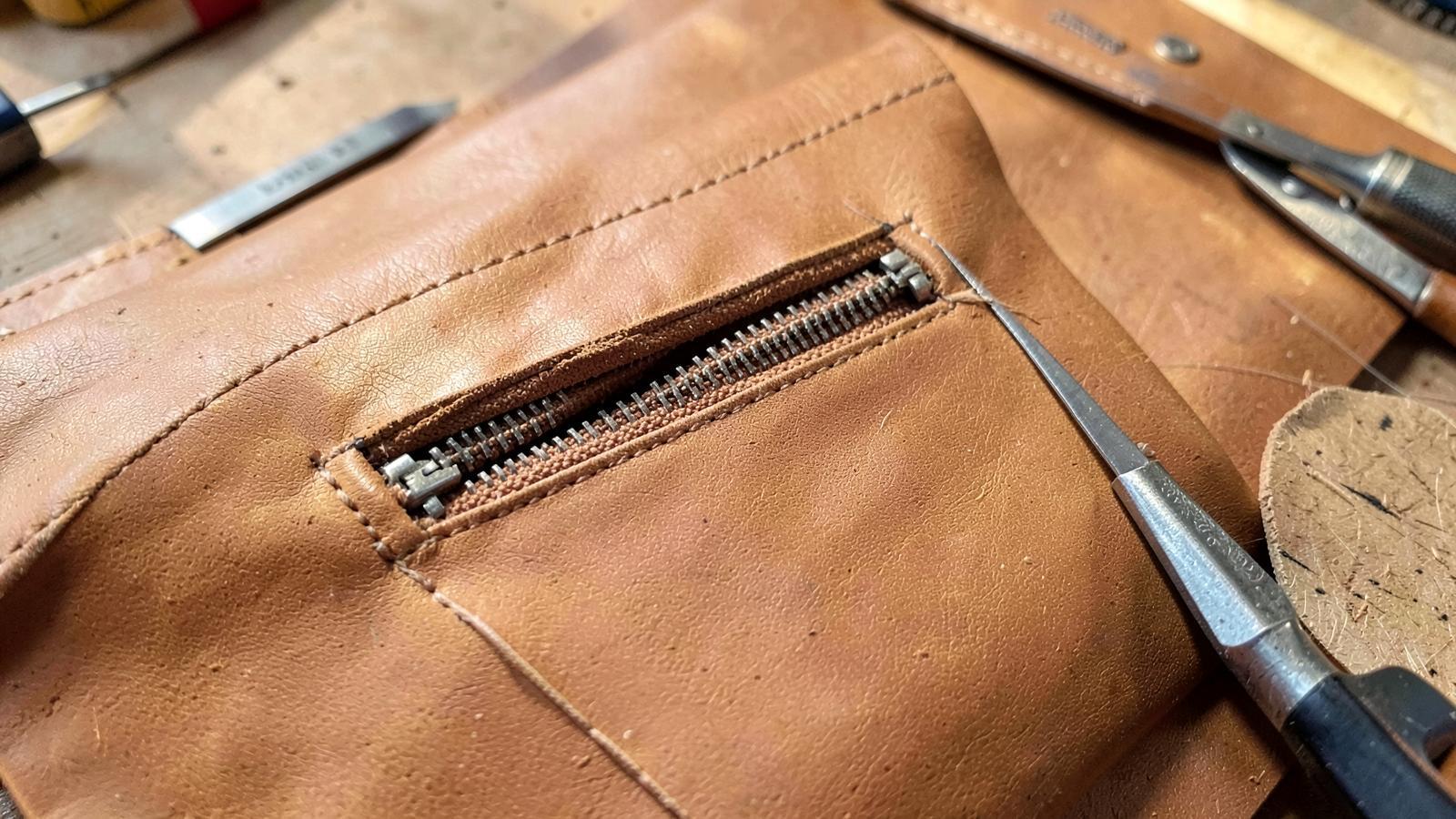
A clean zipper pocket is the single clearest sign of a maker who knows what they're doing — and it comes down to window size and skiving.

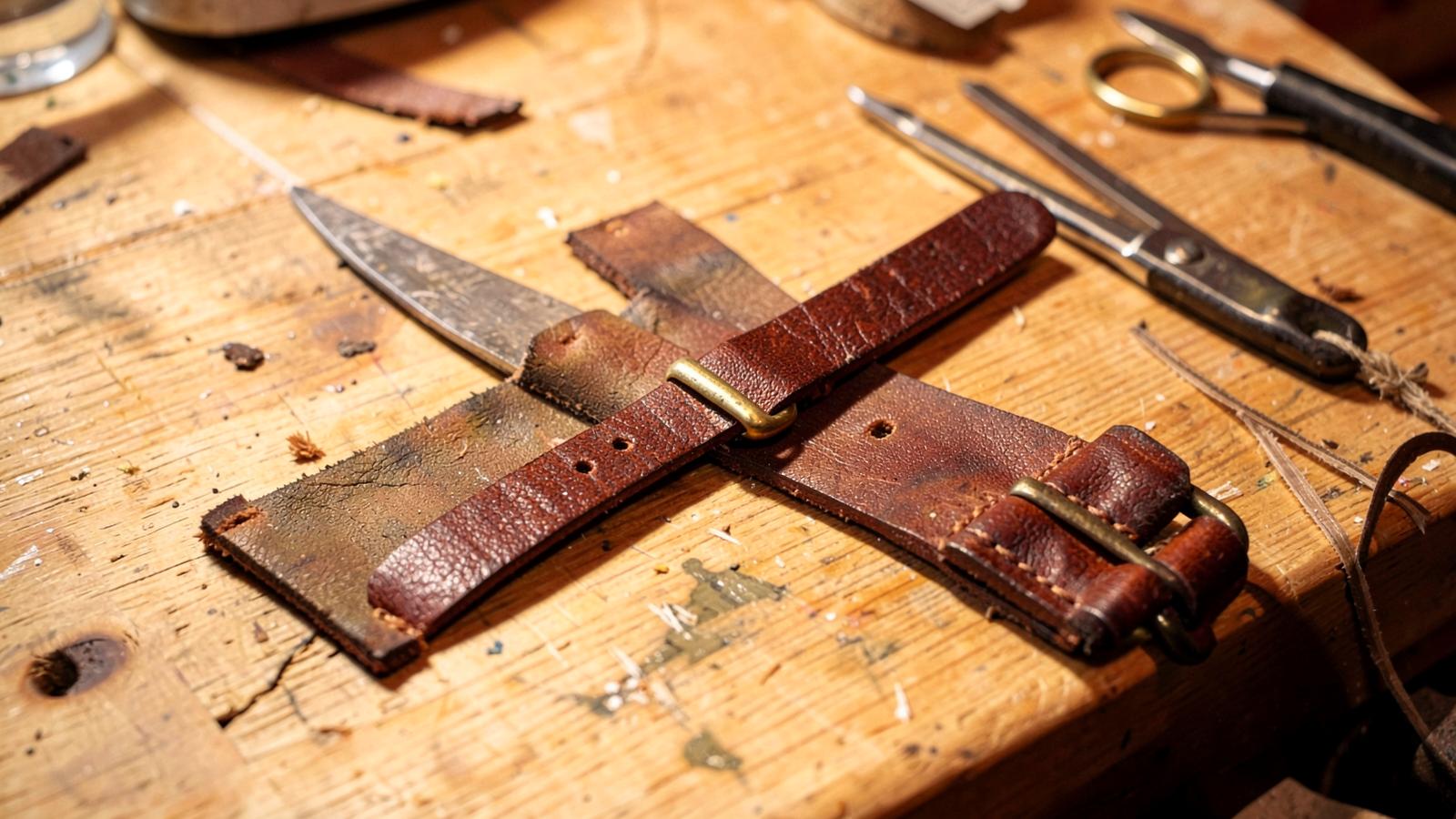
A watch strap is a belt built to a tenth of the tolerance. Every millimetre of lug width, taper and hole spacing shows on the wrist.

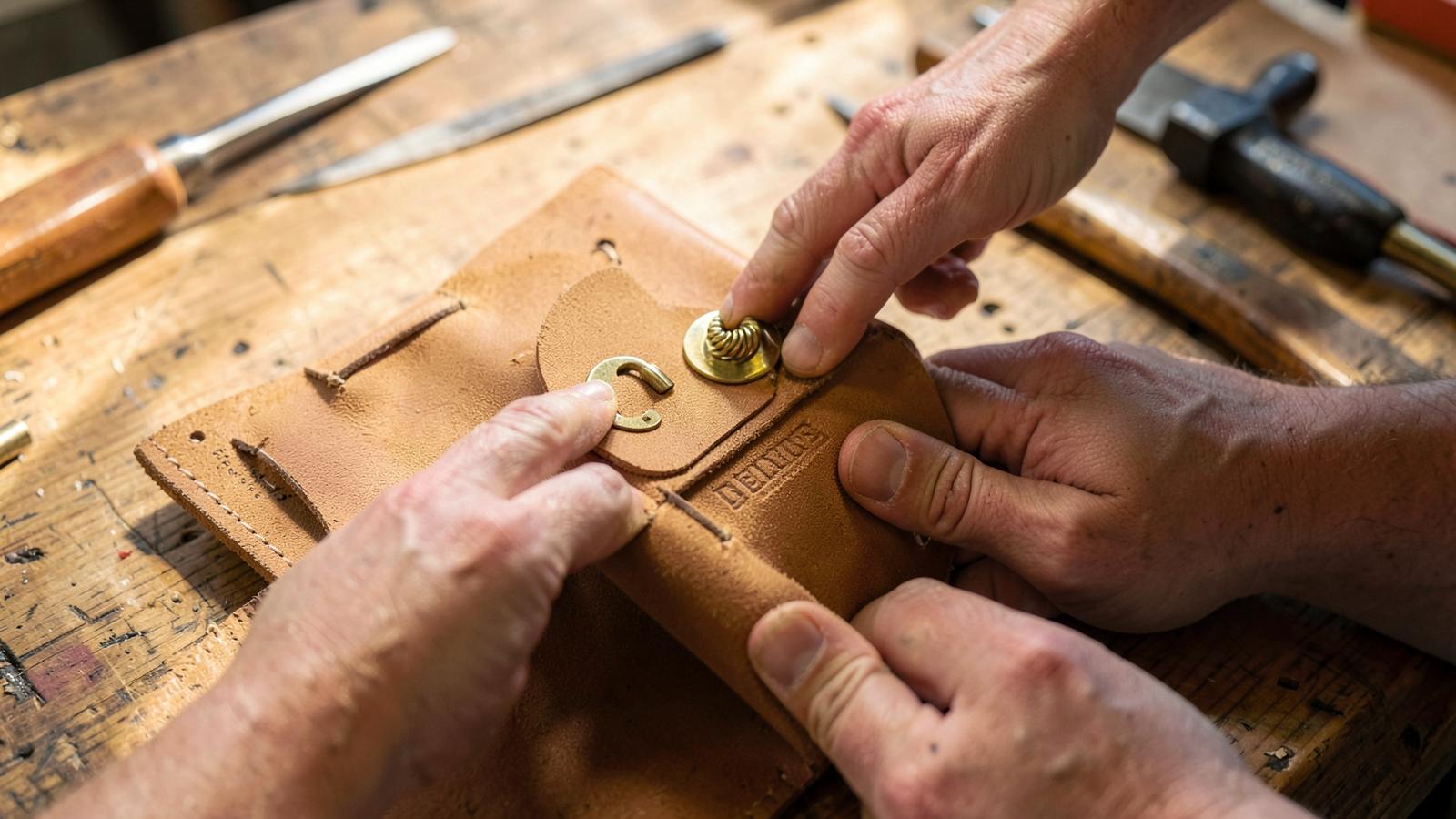
A turn lock is the most visible piece of hardware on a bag, so a 2 mm alignment error is permanent and obvious. Here's the layout method that avoids it.

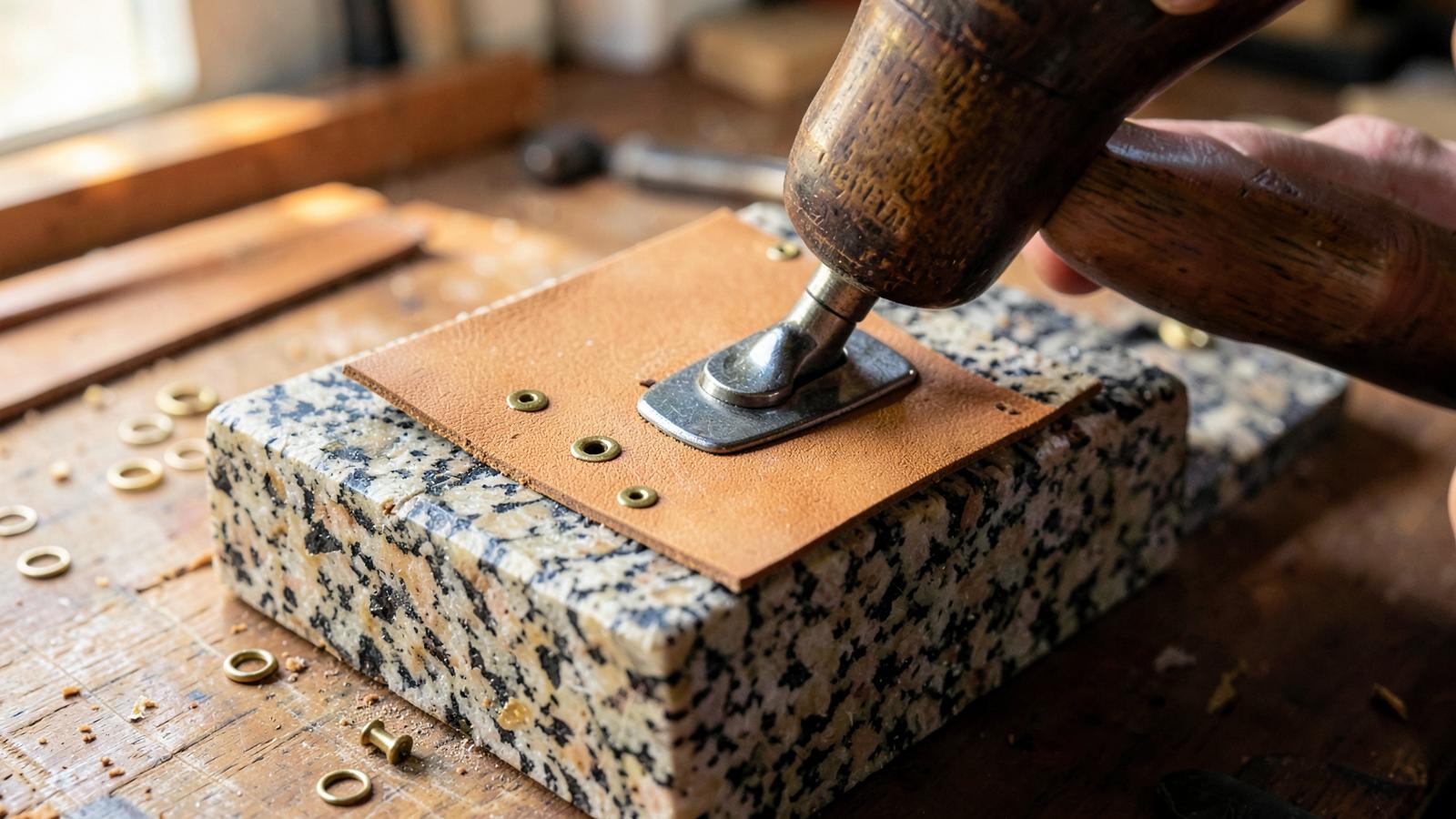
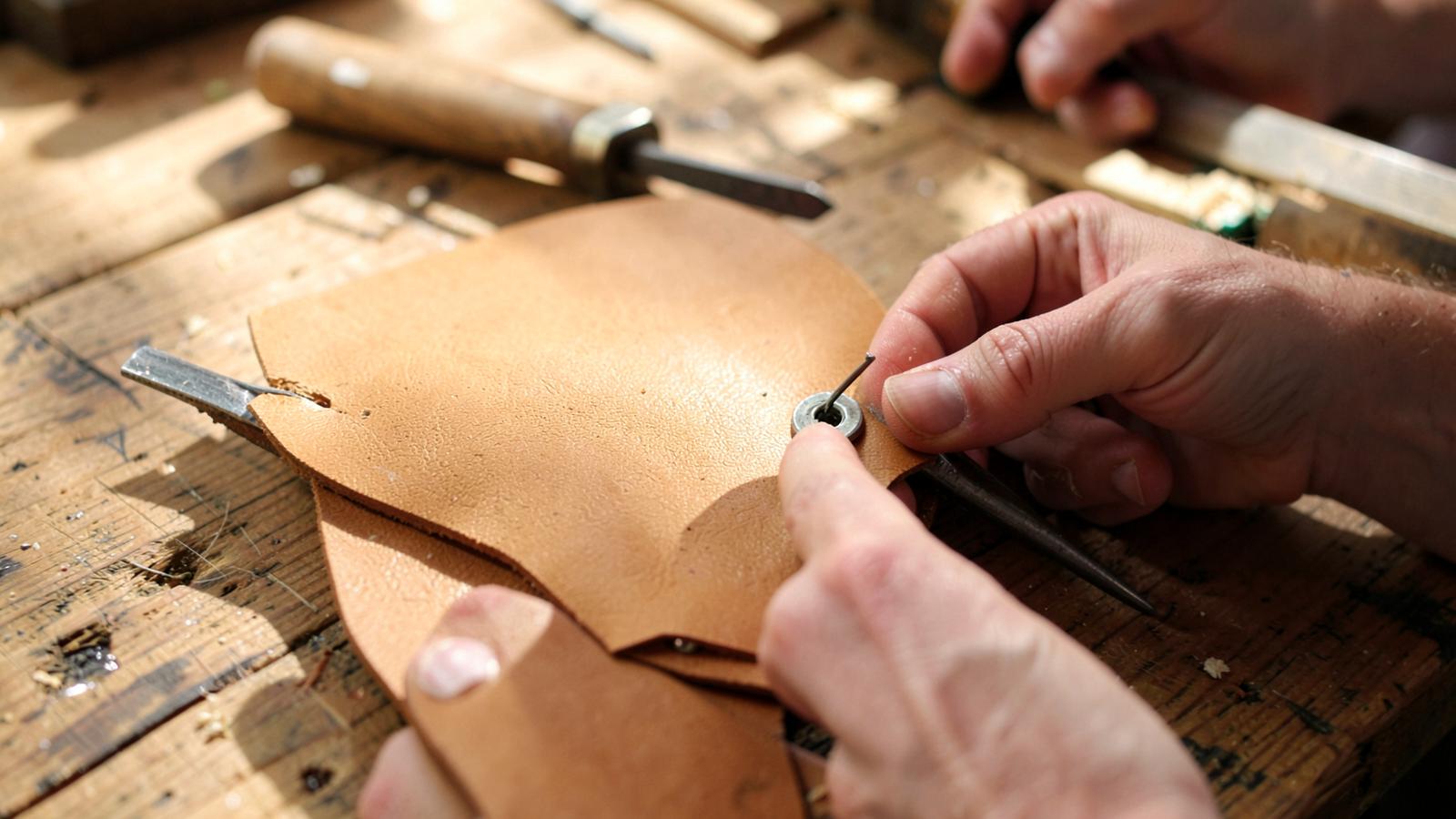
Eyelets look trivial until the flange splits or spins. The difference is hole size, backing and how the die meets the barrel.

Almost every loose rivet and spinning snap traces back to a hole that was half a millimetre too big. This chart fixes it.

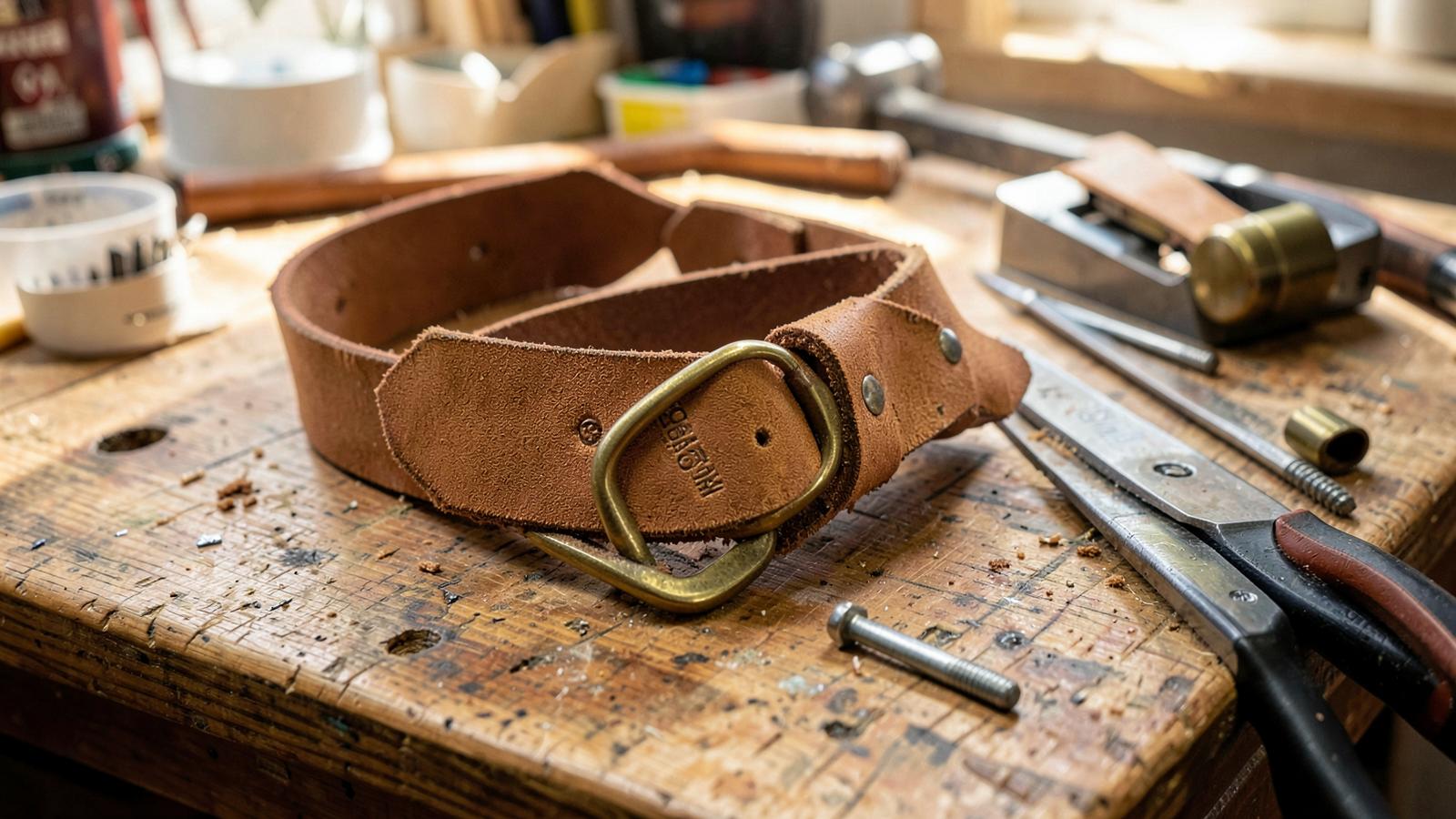
A belt is the perfect first hardware project: one strap, one buckle, and every core skill — sizing, punching, riveting and edge finishing.

A machine is optional. With glue, a stitching chisel and waxed thread you can set a zipper into leather straighter than most factory work — here is the full sequence.
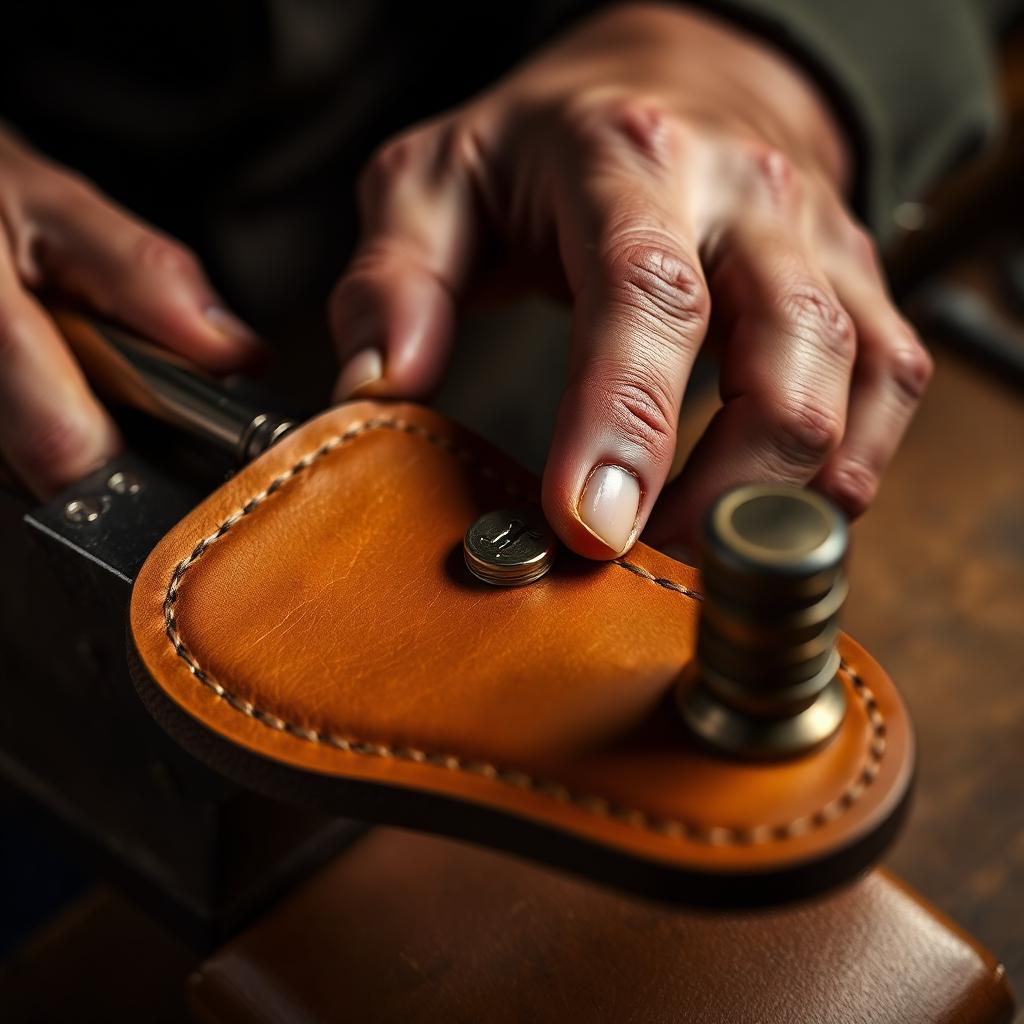
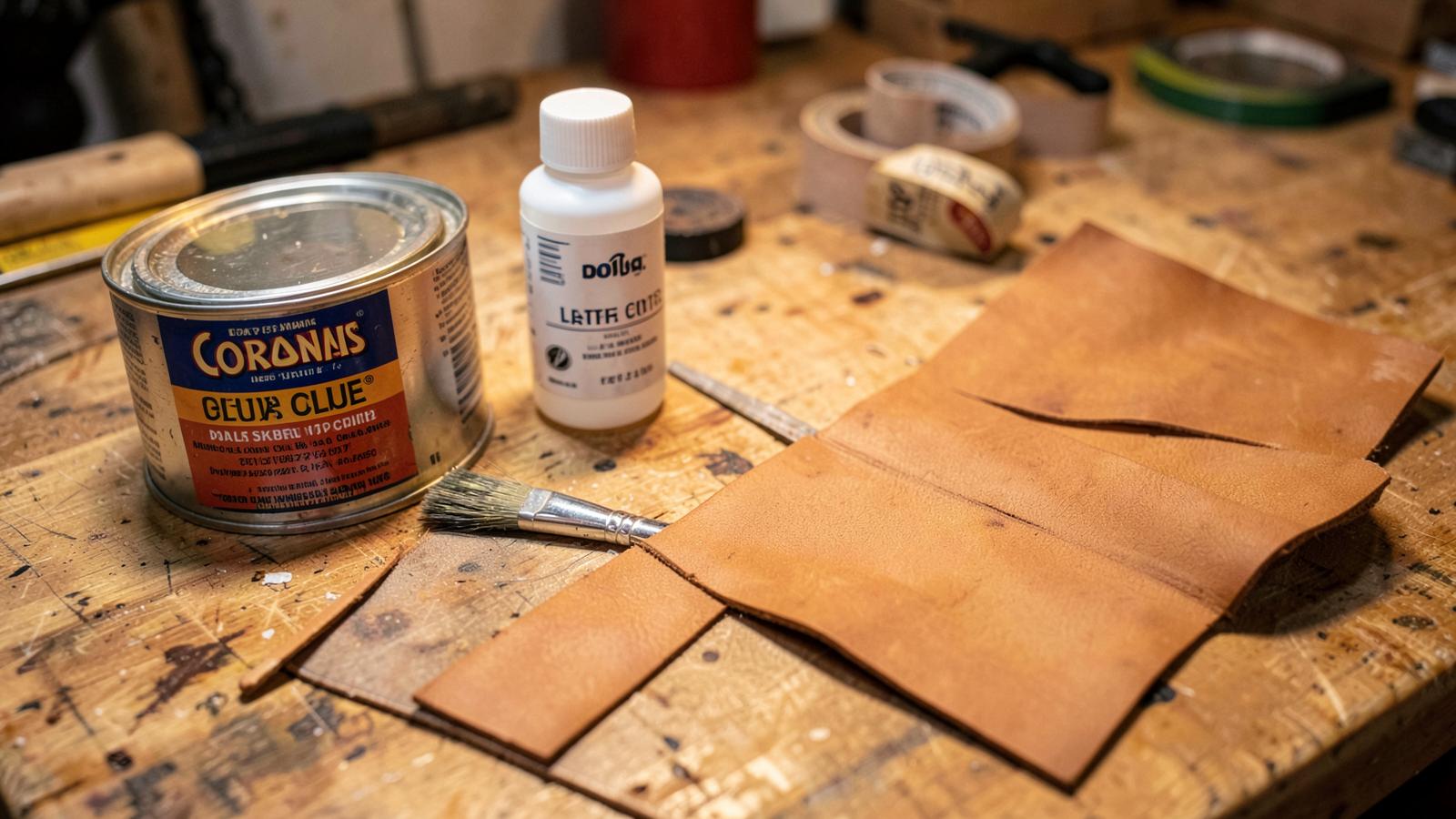
Glue is structural in leatherwork — it holds parts in register while stitches and rivets do the load-bearing. Choosing wrong shows up at the edges.

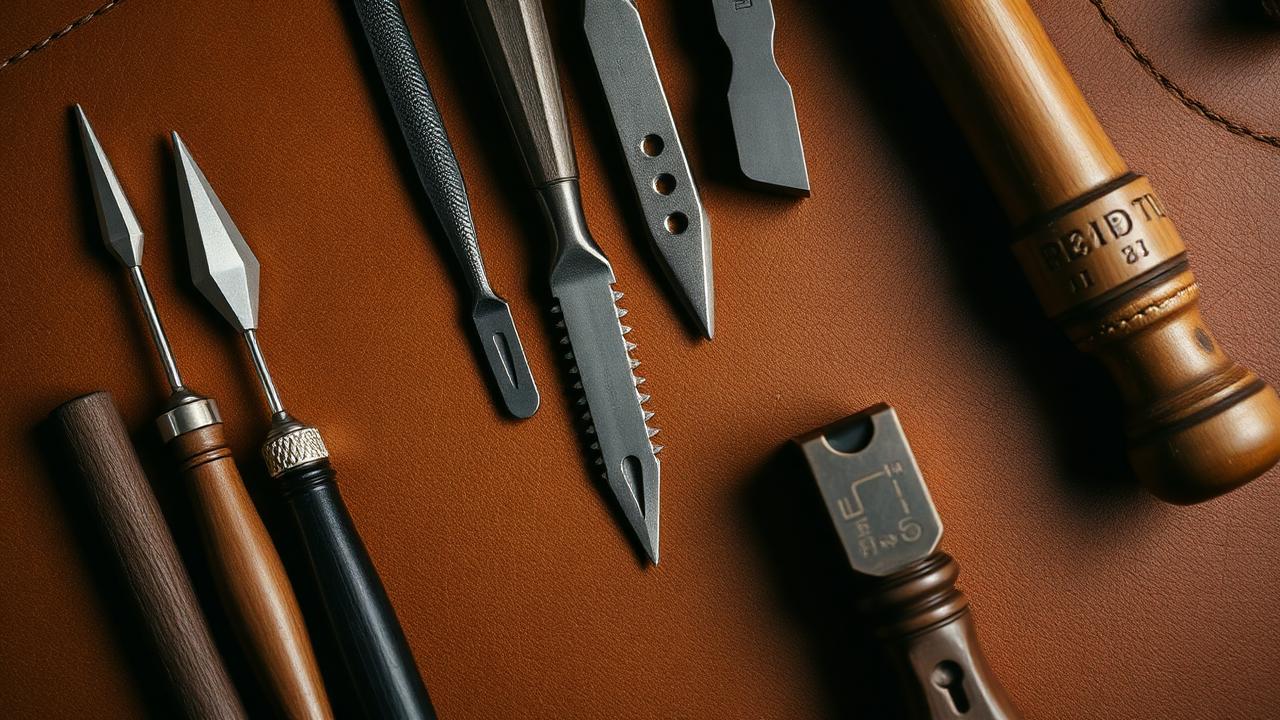
One punches all the way through, one only marks. Buying the wrong one is the most common first-tool mistake in leathercraft — here's how to choose.

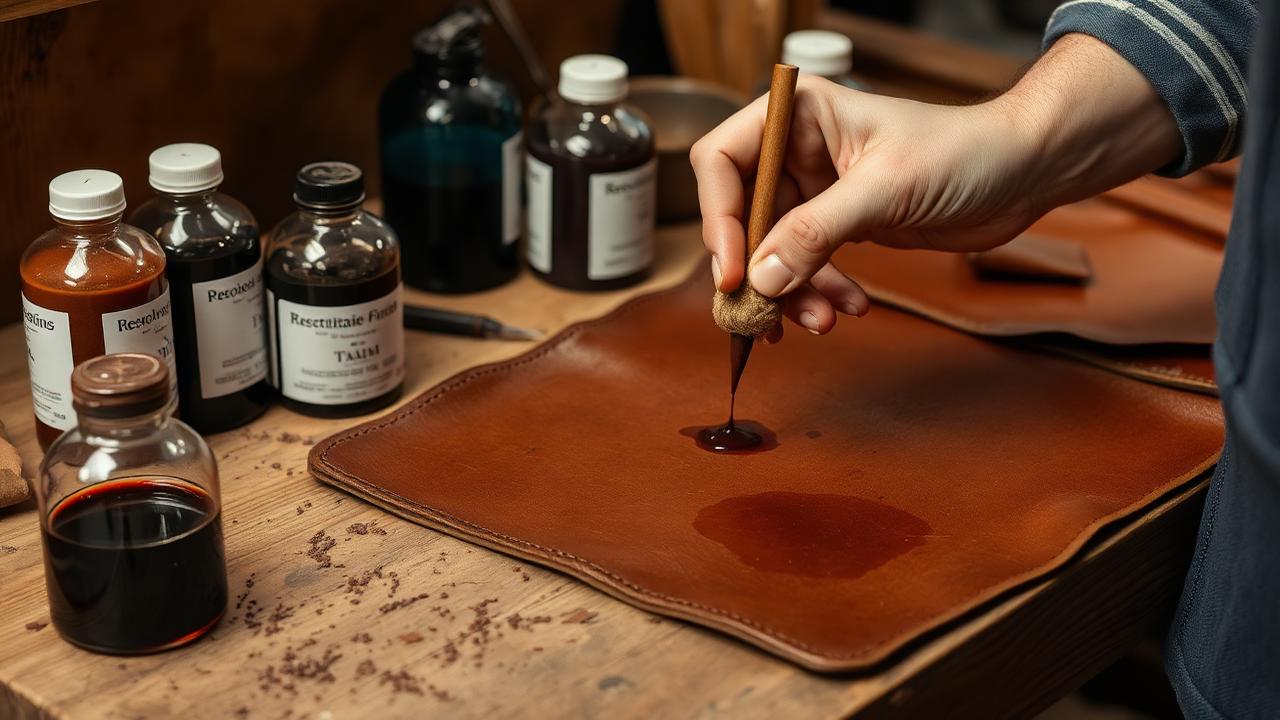
Blotchy dye is almost never the dye's fault. It's prep, dilution and application speed — here's the process that gives even colour every time.

Magnetic snaps are the fastest closure to fit and the easiest to fit badly. Here's the process that keeps them invisible, aligned and tear-free.

One piece of leather, one swivel snap, one rivet — and every core leathercraft skill in about 45 minutes. Here's the full build.

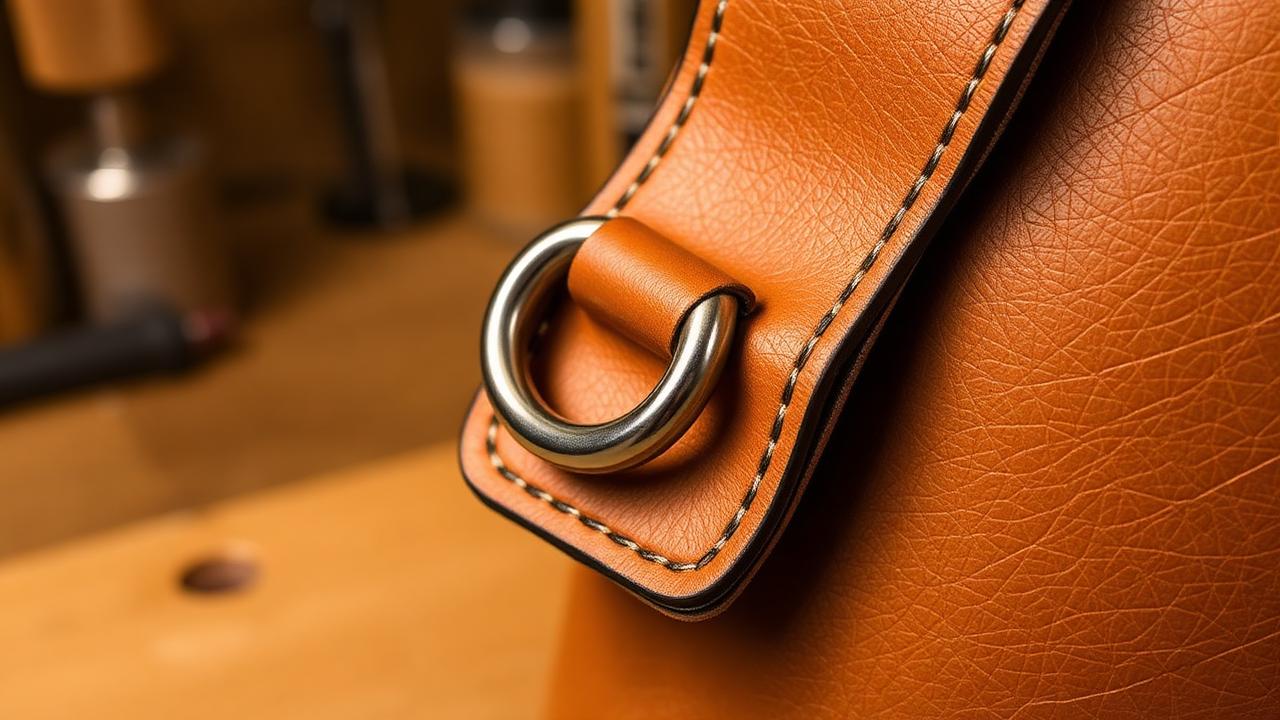
Bags almost never fail at the strap — they fail where the strap meets the body. Here's how to build an anchor that outlasts the bag.

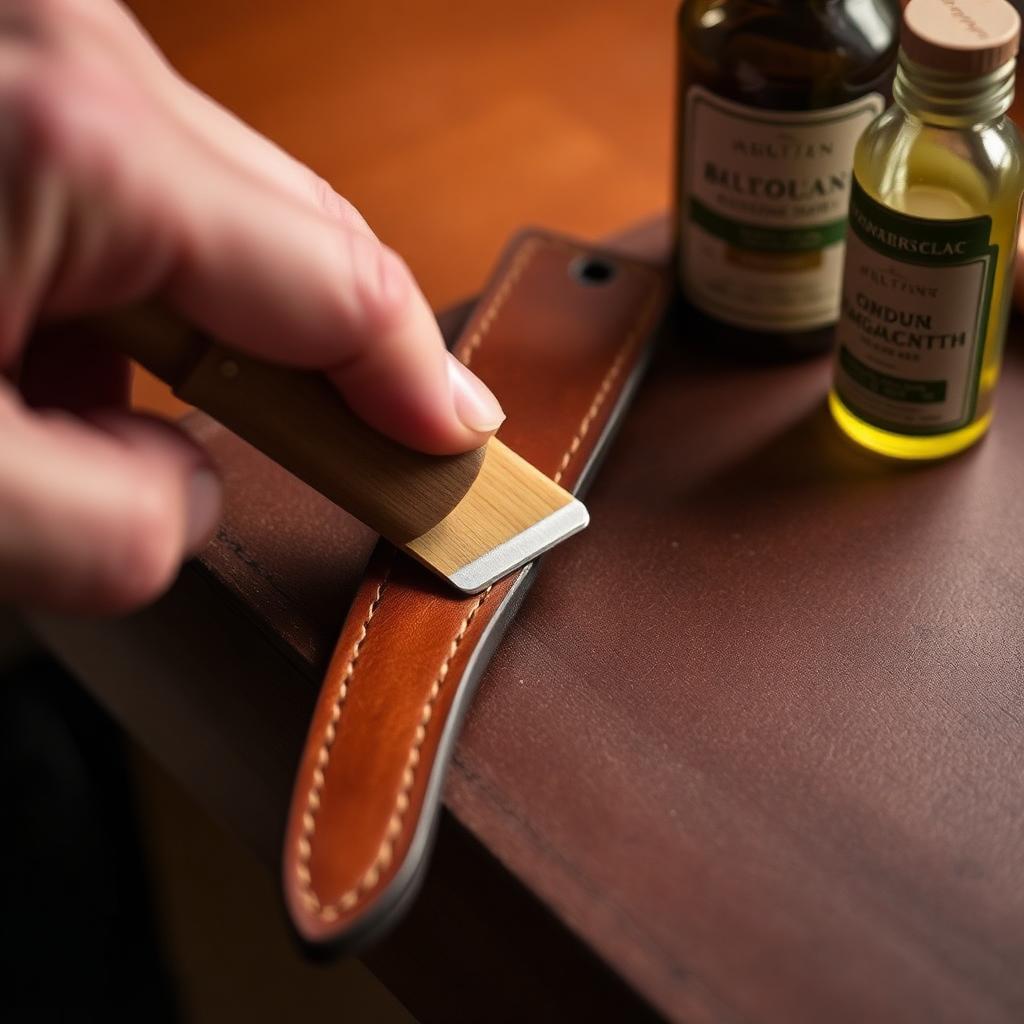
A burnished edge is the signature of fine leatherwork. Here's the layered process — sandpaper, water, gum trag, wax — that gets you a glass finish.

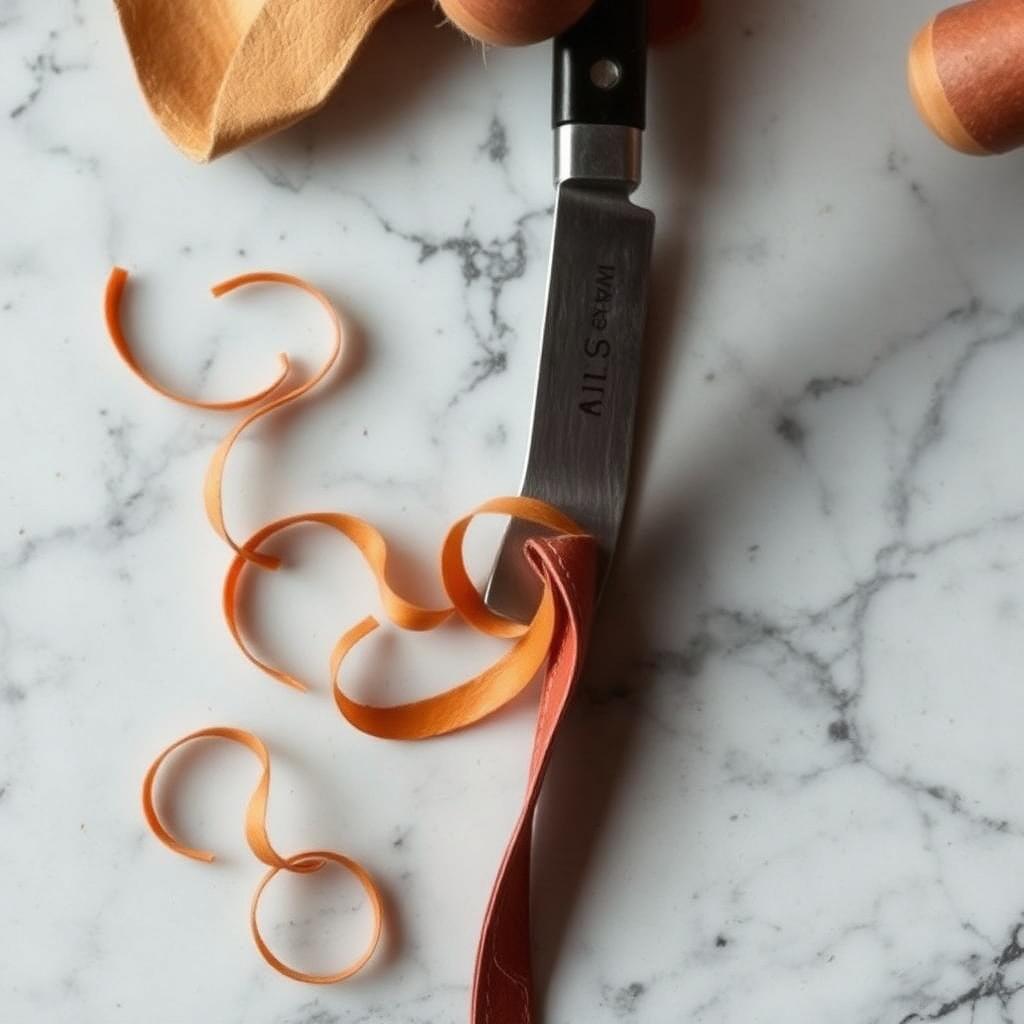
Skiving is the difference between a chunky seam and an invisible one. Here's how to do it cleanly with hand tools — no expensive machine required.

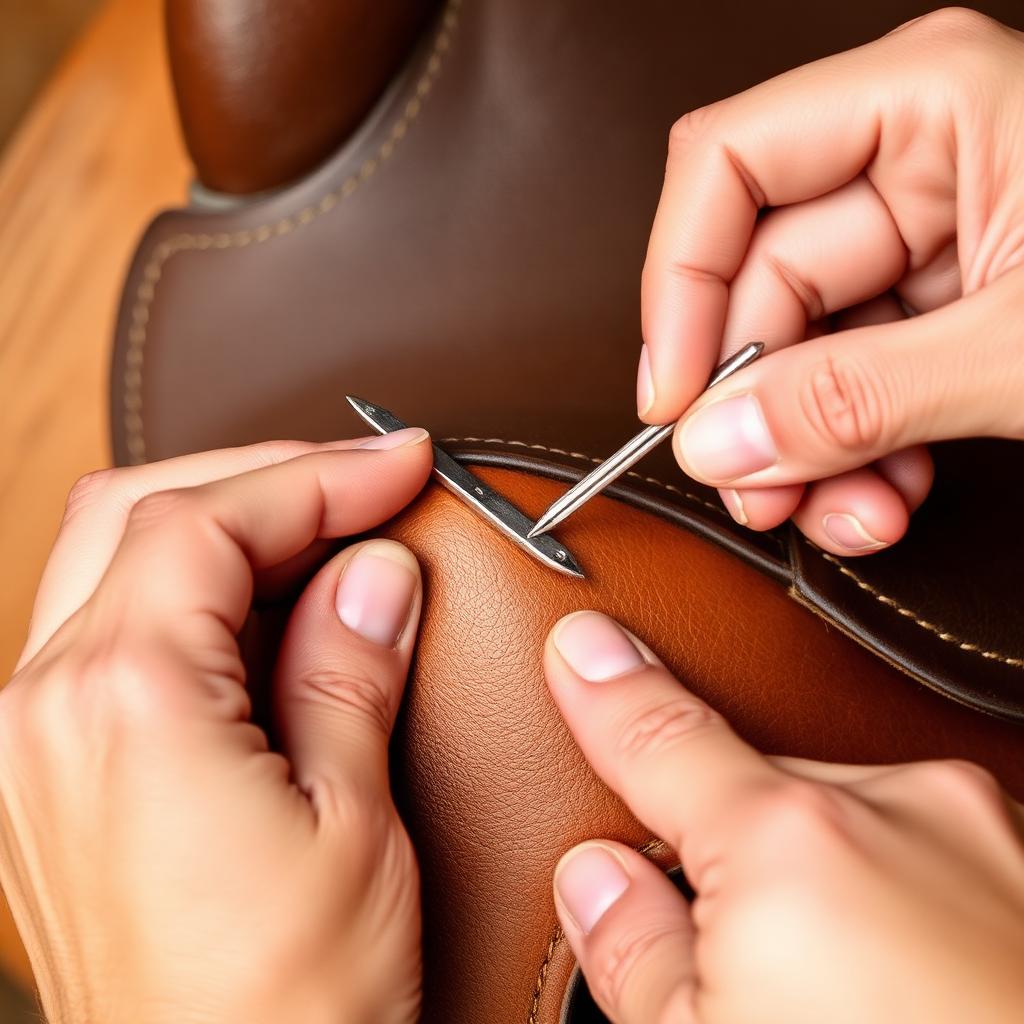
The saddle stitch is the strongest hand-sewn seam in leatherwork — and it's not as hard as it looks. Here's the technique, done properly.

You don't need a $200 press to install professional-grade snaps. With the right hand setter and technique, Line 20 snaps go in clean every time.

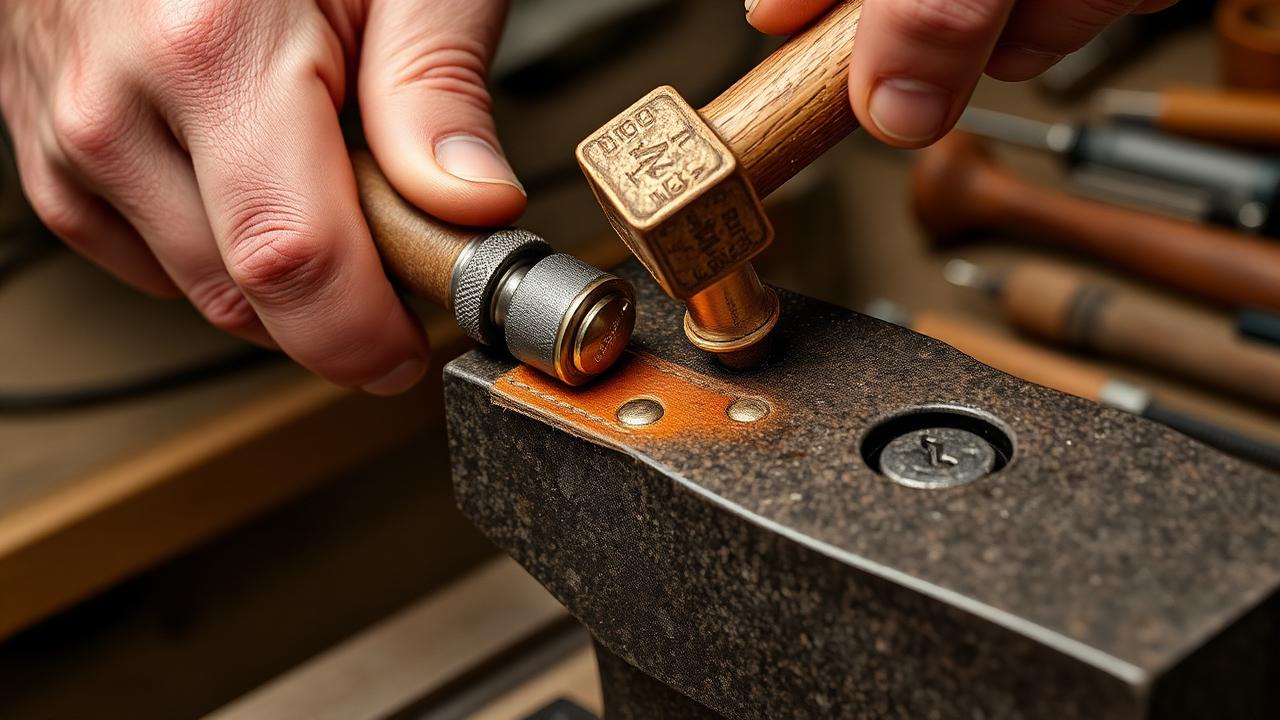
Solid copper rivets are the strongest mechanical fastener in leatherwork — and the easiest to ruin. Here's the no-press method, done right.

Double cap rivets look simple until your first one buckles, splits, or sits crooked. This tutorial fixes that.