Matte Black Hardware on Leather Bags: Why It's Dominating 2026
Walk through any 2026 leather goods trade show and one finish jumps out from every booth: matte black hardware. It's on minimalist crossbody bags, heritage belts, technical briefcases, and even traditionally brass-forward equestrian gear. The trend is real — and the gap between the best and worst matte black hardware on the market is enormous.
This guide breaks down why the trend exploded, the three coatings competing for it, and how to spec matte black hardware so your bag still looks intentional two years from now.
Why matte black, and why now
Three forces converged in late 2025 and early 2026:
- Quiet luxury fatigue with gold. After three seasons of warm brass and champagne tones, designers wanted contrast. Matte black reads modern, technical, and unisex without screaming.
- The "stealth wealth" carry-over from menswear. Luxury houses leaned into all-black hardware on flagship bags in their FW25 collections, and the high street followed within months.
- Better coatings became affordable. PVD (Physical Vapor Deposition) used to live exclusively in $2,000+ bags. In 2026, capable PVD-finished hardware is reaching mid-tier makers at workable prices.
The three matte black finishes (and how they actually age)
PVD black
Physical Vapor Deposition bonds a ceramic-hard coating (often black DLC — diamond-like carbon) to the base metal at a molecular level. It's the same technology used on premium watch cases and high-end firearm components.
Pros: extremely scratch-resistant, color-stable for years, doesn't fade in sunlight, hypoallergenic.
Cons: more expensive (often 3–5x black oxide), requires a clean base metal, and once it does eventually wear (after years of hard friction), the base shows as a bright silver streak.
Powder coat black
A polymer powder is electrostatically applied and baked onto the hardware. Cheap, easy to color-match, and very common on entry-level bags.
Pros: affordable, deep matte finish, broad color range.
Cons: noticeably thicker than other coatings — fine details get muddied. Chips when struck (especially on belt buckle tongues and rivet caps). Once chipped, water can creep under the coating and lift more of it.
Black oxide / black nickel
A chemical conversion that turns the surface of the metal black rather than coating it. Very thin, preserves all the original detail, and integrates into the metal itself.
Pros: doesn't chip (there's no coating layer to chip), preserves crisp engraving and detail, naturally matte, comparatively affordable.
Cons: wears to a warm gunmetal patina on high-touch areas over 12–18 months. Some makers love this evolution; some buyers will see it as fading. Lower corrosion resistance than PVD — needs to live with at least a light oil wipe-down on heavy-use items.
Quick comparison
- Most durable: PVD black
- Best detail preservation: Black oxide
- Lowest cost: Powder coat
- Best for heirloom bags: PVD over solid brass
- Best for vintage / patina aesthetic: Black oxide over brass
- Avoid for daily-carry buckles and snap caps: powder coat
What to pair matte black hardware with
Leather colors that work
Matte black hardware is forgiving but not universal. The strongest combinations in 2026 collections:
- Black-on-black: the runaway favorite. Tonal, technical, reads expensive.
- Cognac and saddle browns: the warm leather plus cool hardware creates a deliberate contrast that ages well.
- Olive, forest, and deep burgundy: outdoor and heritage brands have leaned hard into this palette.
- Bone, cream, and natural veg-tan: high-contrast and editorial — but unforgiving of any coating chips.
What to avoid
Mixing matte black with polished brass or polished nickel almost always looks accidental. If you want the contrast, lean fully into it (matte black zipper, matte black buckle, matte black rivets) — don't half-commit.
Pricing reality check
- Powder-coat zinc D-ring, 25mm: $0.50–$1.20
- Black oxide solid brass D-ring, 25mm: $2.50–$5.00
- PVD-coated solid brass D-ring, 25mm: $7.00–$14.00
- Matte black YKK Excella zipper, 18cm: $7–$11
- Matte black RIRI Decor zipper, 18cm: $22–$38
The jump from powder coat to PVD is large, but so is the jump in product positioning. For a bag retailing above $400, PVD over solid brass is the spec that will still look correct in 2028.
How to spot bad matte black hardware before you commit
- Edge sharpness test. Run a fingernail across a stamped detail or engraving. Powder coat softens edges; PVD and black oxide keep them crisp.
- Chip test on a sample. Tap the edge against a steel ruler. PVD shrugs it off, black oxide shows a tiny scuff, powder coat flakes.
- Look inside snap caps and buckle tongues. Cheap manufacturers cut corners on hidden surfaces. Bare metal inside a "fully black" snap means it'll show through in 6 months of wear.
- Ask for the base metal. PVD or black oxide over solid brass ages gracefully. PVD over zinc alloy is fine cosmetically but fails catastrophically if the coating ever breaks.
Care and maintenance
- PVD: wipe with a soft cloth. Avoid abrasive polishes — they'll dull the finish.
- Black oxide: light oil wipe every few months, especially for outdoor or equestrian gear. Renaissance Wax extends life significantly.
- Powder coat: keep dry. Once chipped, touch-up paint is a stopgap, not a fix.
Will the trend last?
Probably yes, but not at this intensity. Hardware finish trends typically run 3–4 strong seasons before settling into a permanent slice of the market. Matte black has the unusual advantage of being genuinely versatile — unlike rose gold or burnished copper, it works across menswear, womenswear, technical, and heritage categories. Even when the trend cools, expect matte black to remain a standard option alongside polished brass and nickel for the rest of the decade.
Image suggestions
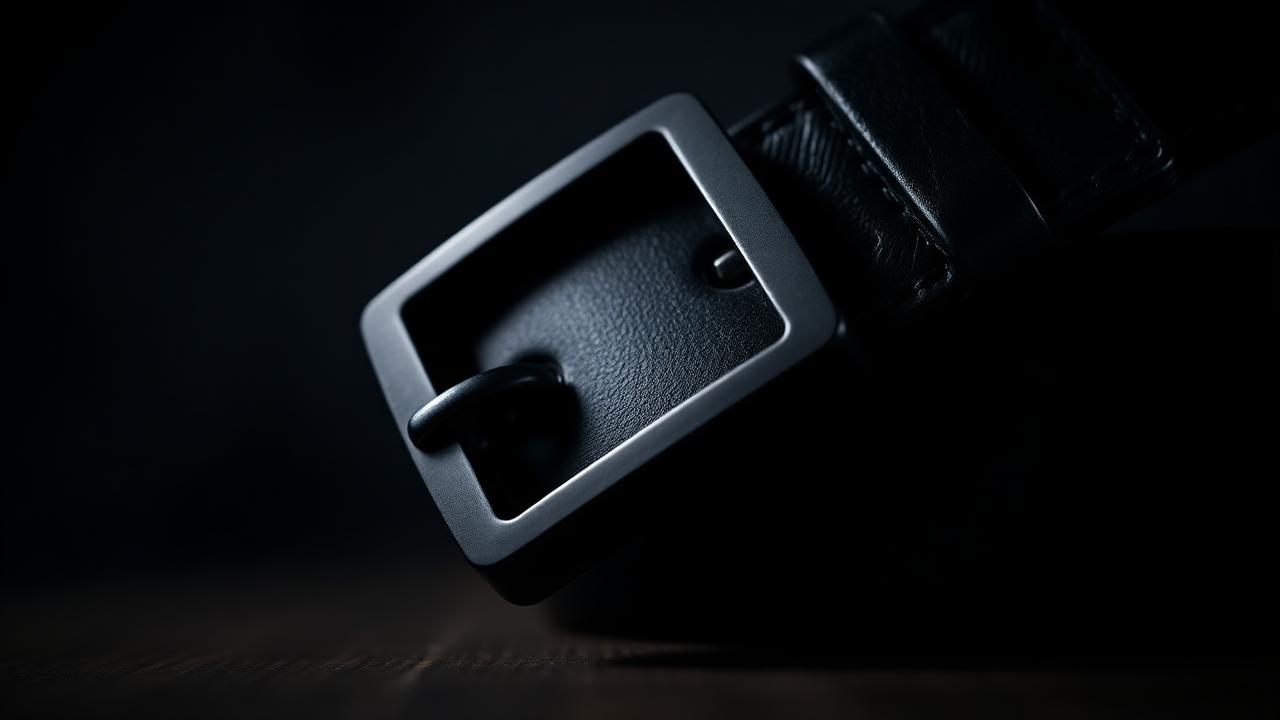
- Hero: close-up of a matte black PVD buckle on black leather, side-lit to show texture. ALT: "Matte black PVD roller buckle on black leather belt."
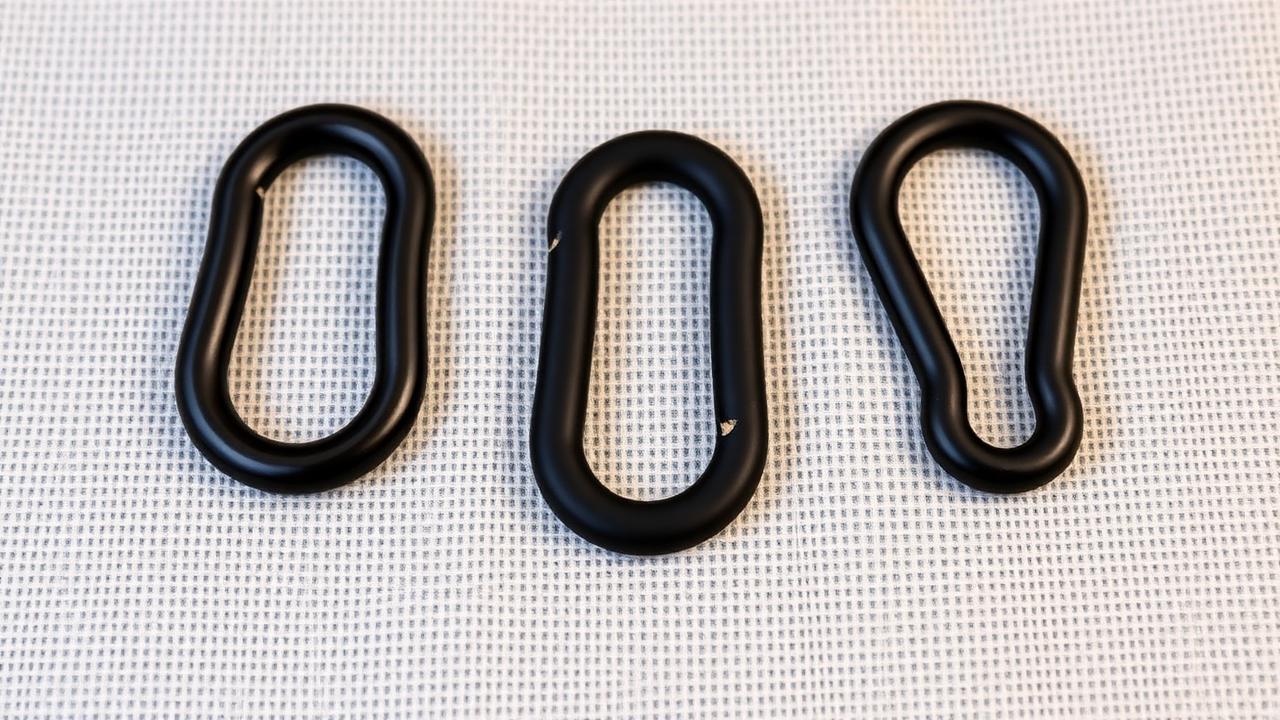
- Mid-article: three-up comparison of PVD, powder coat, and black oxide on identical D-rings. ALT: "PVD vs powder coat vs black oxide D-ring finish comparison."
- Care section: hand wiping a matte black zipper with a microfiber cloth. ALT: "Cleaning a matte black YKK zipper on a leather bag."
Internal linking suggestions
- Link "solid brass" mentions to Solid Brass vs Plated Hardware.
- Link the zipper pricing line to YKK vs RIRI Zippers.
- Link D-ring examples to Choosing D-Rings for Bag Straps.
External sources worth reading
- Manufacturer technical data sheets from YKK and RIRI on their matte black finish ranges.
- Industry coverage from Premiere Vision and Lineapelle on FW25 / SS26 hardware trends.
- PVD coating overviews from Oerlikon Balzers and IHI Hauzer (the two dominant industrial coating houses).
Key takeaways
- Matte black is the dominant hardware finish of 2026, driven by quiet luxury, menswear influence, and cheaper PVD.
- PVD is the most durable; black oxide preserves detail best; powder coat is the cheapest but chips.
- Base metal matters as much as the coating — PVD over solid brass is the heirloom spec.
- Avoid mixing matte black with polished metals on the same piece.
- Care depends on finish: PVD almost none, black oxide light oil, powder coat keep dry.
FAQ
Is matte black hardware harder to repair than brass?
Yes. Brass can be repolished; PVD and black oxide cannot be touched up invisibly. For repair-friendly products, factor that in.
Does matte black hardware get hot in the sun?
Slightly more than polished metal, but the difference is negligible on bag-sized components. Belt buckles in direct summer sun can feel noticeably warmer.
Is "gunmetal" the same as matte black?
No. Gunmetal is a darker gray with a slight sheen, usually achieved through black nickel plating. True matte black reads flat and absorbs light rather than reflecting it.
Can I use matte black hardware on vegetable-tanned natural leather?
Yes, and the contrast is striking — but veg-tan darkens with use, so plan for the look to shift over the first year. Many makers consider that part of the appeal.
Conclusion
Matte black hardware isn't a passing micro-trend — it's a finish category that finally reached the price-to-quality tipping point in 2026. The makers and brands winning with it aren't the ones using it most loudly; they're the ones specifying the right base metal, the right coating, and the right leather pairing for the lifespan of the product.
Building a matte black piece right now? Tell us what you're working on in the comments, share this guide with a fellow maker, or dive into our trends and buying advice archive for more.
Enjoyed this guide?
Browse more in Trends, Materials & Buying Advice or share this article with another leather maker who'd find it useful.