Reverse Coil vs Standard Coil Zippers for Leather Bags
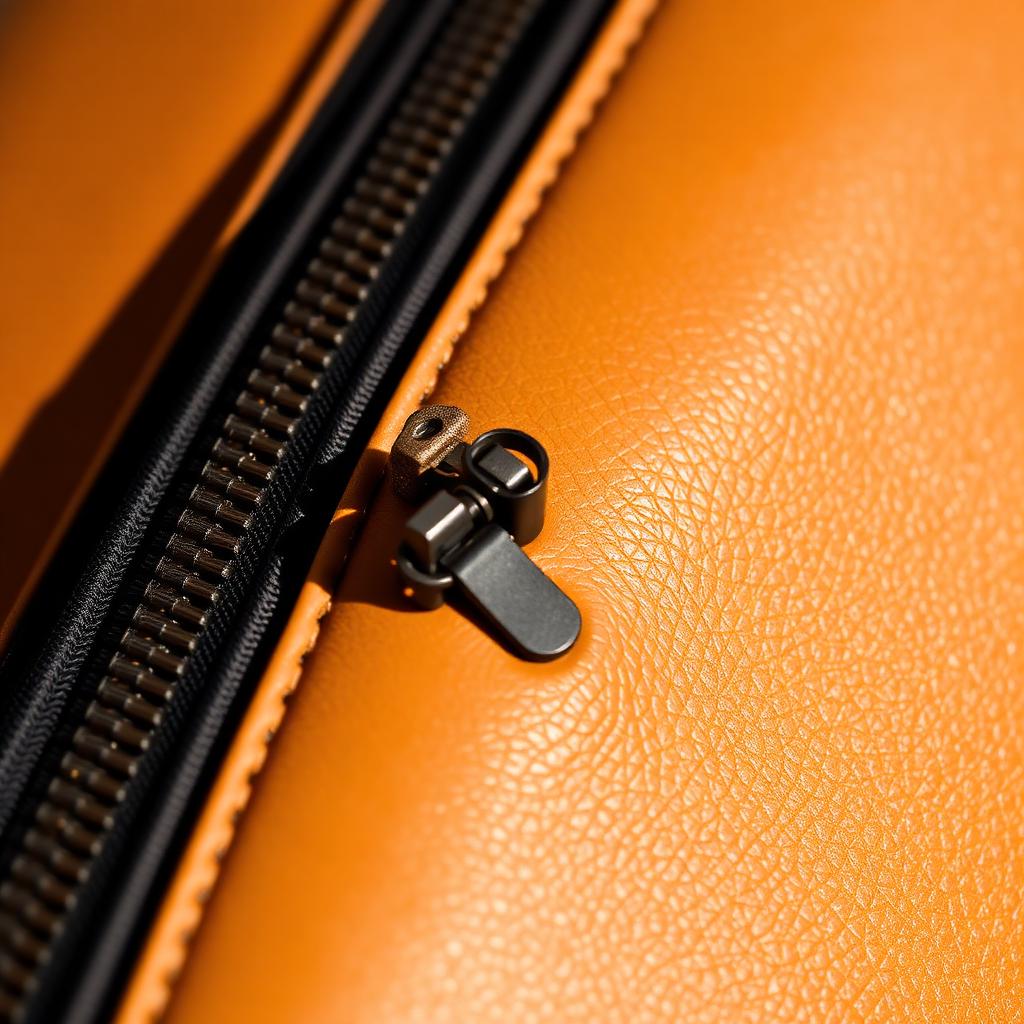
Almost every technical bag released since 2022 — from Peak Design to Bellroy to Rains — uses a reverse coil zipper. Traditional leather goods still ship with standard coil. The two look nearly identical at 30cm away but behave very differently in the rain and under twenty years of wear.
What "reverse" actually means
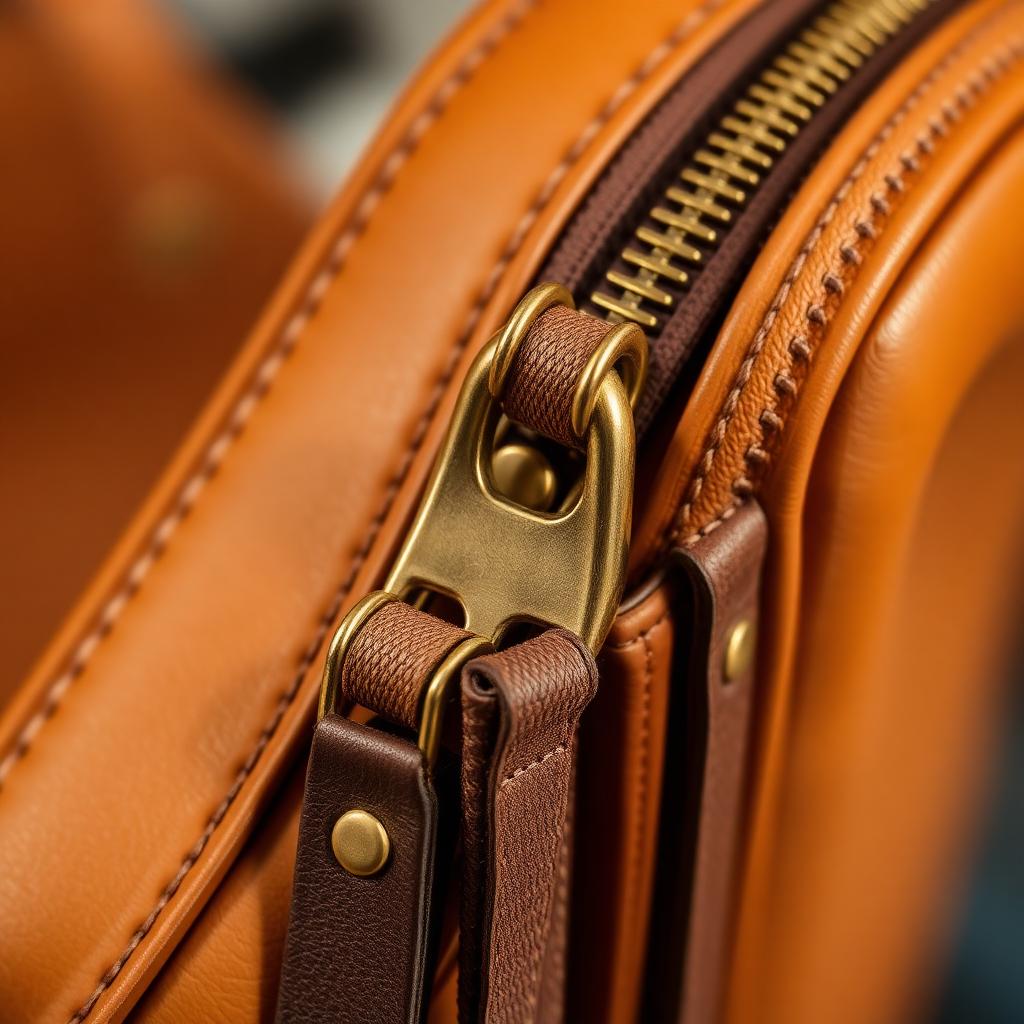
A standard coil zipper shows the teeth (the coil) on the outside and the flat tape on the inside. A reverse coil zipper is stitched in flipped — flat tape outside, teeth on the interior. The slider is designed to run on the inside of the bag, so the pull tab attaches via a small bar that pokes through the tape.
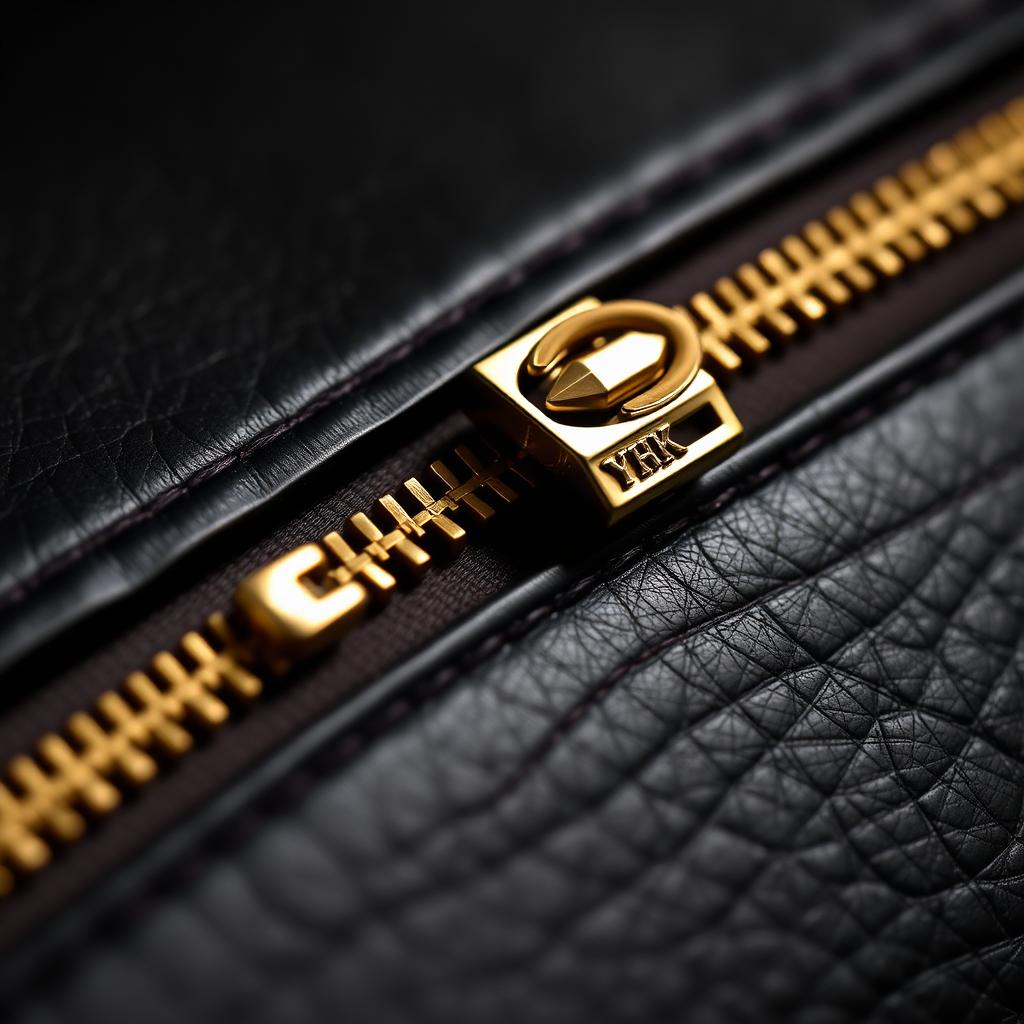
Manufacturers publish both variants in the same size family. YKK's #5 CFC is standard coil; YKK's #5 CNFC is the reverse. See the YKK zipper reference for the full nomenclature.
Head-to-head
| Property | Standard coil | Reverse coil |
|---|---|---|
| Water resistance | Low — coil channels water inside | High — flat tape sheds water |
| Look | Visible teeth, traditional | Clean tape line, modern |
| Slider action | Smoother, lighter | Slightly firmer |
| Cost | Baseline | +10–15% |
| Repairability | Easier — hardware widely stocked | Harder — fewer replacement sliders |
When to specify reverse coil
- Laptop and camera bags. Any zipper protecting electronics should shed water. Reverse coil is the minimum; add a storm flap for full weather sealing.
- Minimalist leather designs. The clean tape line disappears into the panel — a reverse coil in matte black on black leather is almost invisible from three feet.
- Outdoor-inspired collections. If the brand story mentions weather, reverse coil is table stakes.
When standard coil is the right call
- Interior pockets, where water resistance is irrelevant and slider feel matters.
- Traditional briefcase and doctor bag builds where the visible coil is part of the vintage aesthetic.
- Repair-focused builds — standard coil hardware is available in every notions shop.
Do not confuse reverse coil with waterproof
Reverse coil is water resistant. Truly waterproof zippers (YKK AquaGuard, RIRI Storm) use a laminated polyurethane coating on the tape and cost 3–5× more. If the design brief says "waterproof," see our waterproof zippers guide — reverse coil alone will not clear that bar.
Installation notes
The pull tab bar on reverse coil sliders sits proud of the tape by about 2mm. On stiff leather panels this can catch on adjacent hardware; leave 8mm of clearance between the zipper stop and any D-ring anchor. Also stitch reverse coils with a slightly longer stitch length (3.5mm vs 3mm) — the tape is denser and shorter stitches perforate it.
Key takeaways
- Reverse coil hides teeth, sheds water, and looks modern.
- Standard coil slides smoother, costs less, and is easier to repair.
- Specify reverse coil for any exterior zipper on tech or weather-facing bags.
- Reverse coil is water-resistant — not waterproof. Choose laminated zippers if you need a full seal.
Compare more zipper types in our coil vs metal vs Vislon breakdown, or explore the full zippers, clasps and locks category.
Enjoyed this guide?
Browse more in Zippers, Clasps & Locks or share this article with another leather maker who'd find it useful.