How to Choose the Right Belt Buckle Size: Strap Width, Tongue Length & Frame Fit
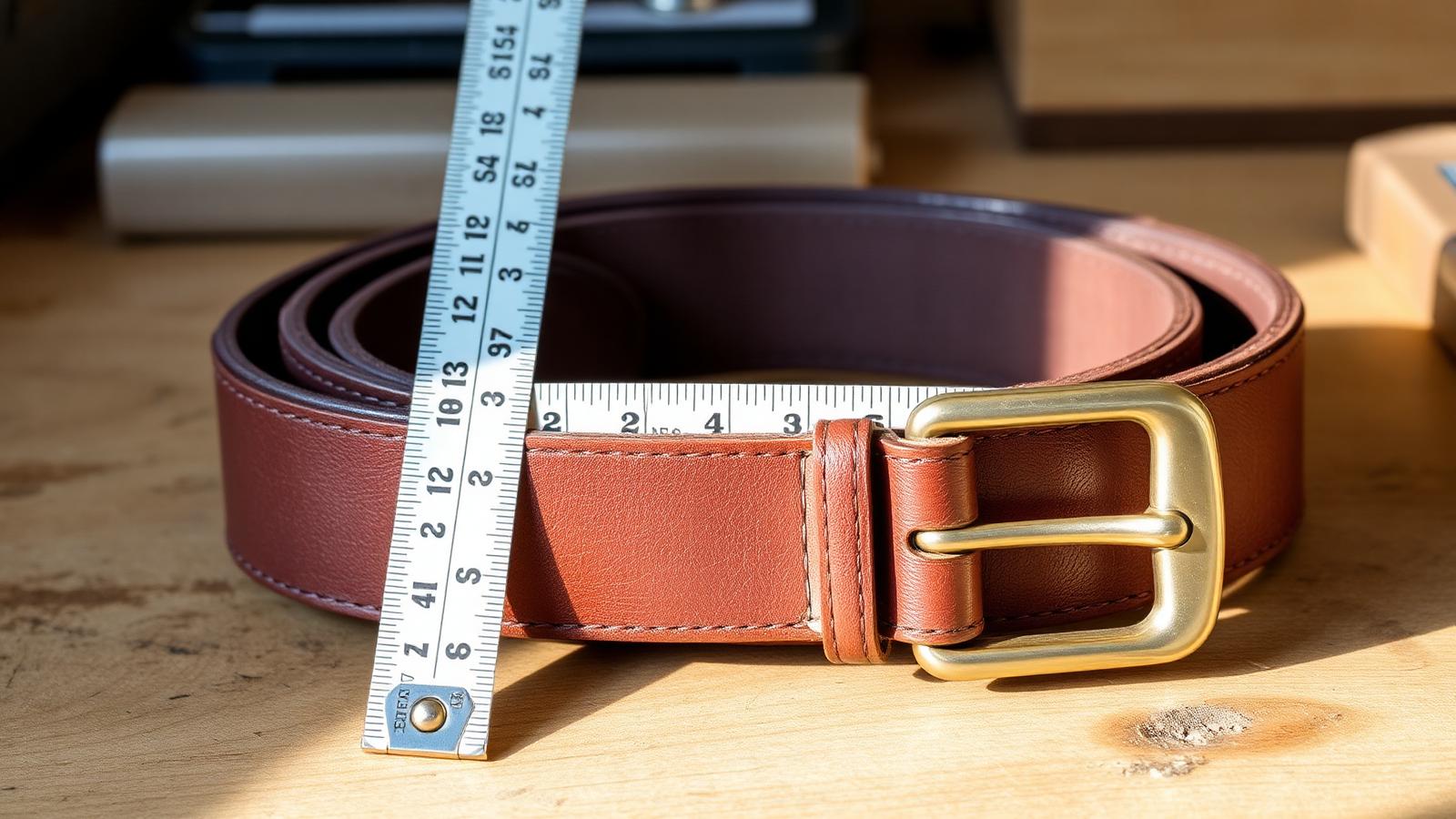
The single most common hardware mistake in leatherwork: a buckle that's 2–3 mm wider than the strap. The belt looks sloppy, the tongue rattles, and the buckle slowly twists on the billet. This guide gives you the exact sizing system used by professional belt makers — and a chart you can bookmark.
The one rule that matters
Internal frame width = strap width. Not "close to." Not "within a millimeter." Exactly equal. The strap should pass through the buckle frame with the leather edges just brushing the inside walls.
If a 38 mm strap goes through a 40 mm buckle, the strap will rotate inside the frame. The tongue will then sit off-center in the belt hole, and the belt billet will slowly skew. This is irreversible.
Where to measure
Strap width
Measure the finished strap, not the cutting pattern. Veg-tan loses 0.5–1 mm after burnishing and edge finishing; chrome-tan stays close to cut size. Always measure the strap after finishing the edges.
Buckle internal width
The internal width is measured between the inside walls of the buckle frame — not the outside dimension. Suppliers like Buckleguy and Weaver list internal width as the headline measurement; if a spec sheet only gives "size" without clarifying, ask before ordering in volume.
Standard belt sizing chart
| Strap width | Buckle internal width | Typical use |
|---|---|---|
| 1" (25 mm) | 25 mm | Dress, slim casual |
| 1.25" (32 mm) | 32 mm | Smart casual, women's belts |
| 1.5" (38 mm) | 38 mm | Standard men's casual, jeans belts |
| 1.75" (44 mm) | 44 mm | Heavy work belts, EDC, gun belts |
| 2" (51 mm) | 51 mm | Western, tool belts, ranch wear |
Avoid odd sizes (30 mm, 35 mm) unless you're matching a vintage strap — most quality buckles aren't manufactured in those widths.
Tongue length
The tongue (prong) should extend 6–10 mm past the strap edge when the strap is laid flat through the buckle. Too short and it won't seat in the hole reliably; too long and it catches on clothing.
On roller buckles vs center bar buckles, tongue length is identical — only the bar mechanism differs.
Belt hole spacing (sized to the buckle)
Standard hole spacing is 25 mm (1 inch) center to center, with 5 holes total. Punch the middle hole at the wearer's actual waist measurement; the other four give ±50 mm of adjustment.
Hole diameter should be 4 mm for most tongues. Larger holes look sloppy; smaller holes wear into the leather edges.
Belt thickness and buckle gap
The buckle's frame thickness (the gap between the bar and the front of the frame) needs to clear the folded strap. For a 4 mm thick belt folded back on itself at the billet, that's 8 mm of leather passing through. Most quality buckles allow 10–12 mm — fine for any standard belt. If you're stacking lined belts over 5 mm total, check the frame gap before ordering.
Quick decision tree
- Measure finished strap width.
- Order a buckle with matching internal width.
- Confirm tongue length covers strap width + 6–10 mm.
- Punch 5 holes at 25 mm spacing, 4 mm diameter.
- Check the buckle clears your folded strap thickness.
Key takeaways
- Buckle internal width must equal finished strap width.
- Measure strap after edge finishing, not from the pattern.
- 5 holes, 25 mm apart, 4 mm wide is the standard.
- Verify frame gap clears folded strap thickness for thick belts.
FAQ
What size buckle for a 1.5 inch belt?
38 mm internal width. "1.5 inch buckle" listings should match this; double-check the internal measurement before bulk ordering.
Can I use a wider buckle for visual effect?
Not without a wider strap. The frame must match strap width or the belt rotates. If you want a chunkier look, build the belt wider — don't oversize the buckle.
What about quick-release or ratchet buckles?
Ratchet belts measure differently — strap width still matches buckle channel, but there are no holes. Sizing is set by the strap's pre-cut ratchet teeth.
Conclusion
Sizing buckles to straps is one of the easiest skills in leatherwork — and the one most frequently skipped. Bookmark the chart above and you'll never have to reorder hardware. For more sizing and selection help, see our brass belt buckle buying guide and the full buckles & closures category.
Enjoyed this guide?
Browse more in Buckles & Closures or share this article with another leather maker who'd find it useful.