Magnetic Closures vs Turn Locks for Leather Bags: A 2026 Comparison
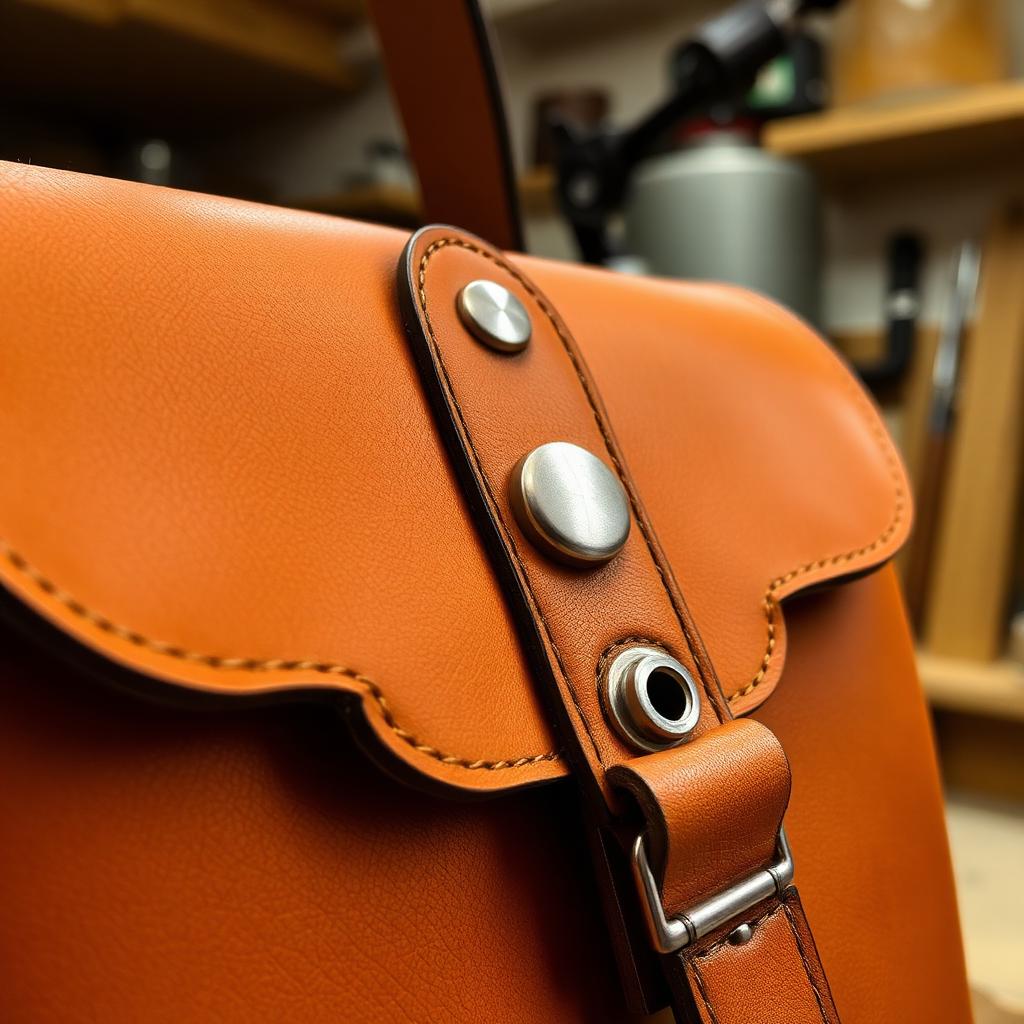
Magnetic closures and turn locks sit at opposite ends of the bag-closure spectrum. Magnets prioritize speed and minimalism; turn locks prioritize security, tactile satisfaction, and design presence. This guide covers the trade-offs, use cases, and installation notes for both.
What each closure is
Magnetic closure
A hidden magnet embedded in the flap and its mating surface. Comes as prong-back, sew-in, or screw-back variants. Invisible from the outside — the bag flap appears seamless.
Turn lock
A visible mechanical latch — usually a rotating tongue that engages a mating plate on the bag body. Rotate 90 degrees to lock; rotate back to open. Iconic on Coach, Céline, and vintage saddle bags.
Security comparison
| Closure | Casual pull resistance | Determined pull | Accidental opening |
|---|---|---|---|
| 14mm magnetic snap | Low | Fails immediately | Common under load |
| 18mm magnetic snap | Moderate | Fails easily | Occasional |
| Small turn lock | High | Requires deliberate rotation | Never (positive lock) |
| Large turn lock | Very high | Requires deliberate rotation | Never (positive lock) |
Turn locks are mechanically positive — the flap cannot open until the tongue is rotated. Magnets can peel open under vertical load. For anything carrying valuables (wallet, phone, keys), turn locks provide meaningful security while magnets do not.
Aesthetic identity
The visual difference is the biggest decision driver:
- Magnetic: Invisible. The flap reads as clean, uninterrupted leather. Choose for minimalist, contemporary, or dress bags where hardware would compete with the material.
- Turn lock: Signature design element. Iconic silhouettes (Coach Rogue, Céline Classic, saddle-shape crossbodies) rely on the turn lock as visual identity. The hardware IS the design.
User experience
Magnetic closures are faster and easier — one-handed, self-aligning, silent. Turn locks require a two-finger rotation but reward with tactile feedback: the small click when the tongue seats confirms the bag is closed.
Frequency matters. A bag opened 20 times a day (work tote) benefits from magnetic ease. A bag opened 3 times a day (evening bag, weekend crossbody) can afford the extra second a turn lock takes.
Installation complexity
Magnetic snap
Simple. Prong-back magnets install in 5 minutes with a chisel and pliers. See our magnetic vs metal snap installation section for the step-by-step.
Turn lock
More involved. A turn lock has 2–4 components (tongue plate, backing washer, mating plate, backing washer) that must align across two leather layers. Requires:
- Precise placement — the tongue must reach the mating plate with 1–2mm of margin.
- Rectangular cutouts for the tongue and rotation stem (chisel or knife).
- Prong or screw fixings on both sides.
- Reinforcement (interfacing or a leather stiffener) behind both plates.
Budget 30–45 minutes for a first-time install. Cutout accuracy is the make-or-break step — a crooked mounting looks amateurish even if the mechanism works.
Bag type recommendations
| Bag | Recommended | Reason |
|---|---|---|
| Minimalist crossbody | Magnetic (18mm) | Clean silhouette, quick access |
| Structured satchel | Turn lock | Design signature, positive lock |
| Work tote | Magnetic + secondary buckle | Fast access, security from strap |
| Evening clutch | Magnetic (14mm) | Light contents, invisible hardware |
| Saddle bag | Turn lock | Traditional silhouette identity |
| Briefcase / portfolio | Turn lock | Professional appearance, security |
| Diaper bag | Turn lock | Contents shift, magnetic will fail |
Hardware quality
Both closures come in a huge quality range:
- Cheap magnetic snaps lose strength quickly. Weak neodymium magnets rated for 500g pull demagnetize within 2 years.
- Cheap turn locks use zinc alloy castings that crack after 500–1000 cycles. Look for solid brass turn locks with brass or stainless internal springs.
- Premium suppliers: Buckleguy stocks American-made solid brass turn locks; Weaver Leather Supply stocks Japanese turn locks used in luxury bag production.
Combining both
Premium bag makers frequently pair a hidden magnetic snap (for easy closing alignment) with a decorative turn lock (for security and design). The magnet catches the flap as it approaches; the wearer optionally engages the turn lock when leaving the flap unattended. This hybrid is now standard on $500+ crossbody bags.
Common mistakes
- Using a turn lock without reinforcing the leather — the hardware will pull through soft leather within months.
- Under-sizing a magnetic snap for the flap weight (14mm on a leather flap that already weighs 100g will barely hold).
- Mismatching turn lock finish to other bag hardware (see our matte black trend guide).
- Placing a turn lock where the tongue rubs against the leather during rotation — always test the mechanism after mounting.
Key takeaways
- Magnetic = invisible, fast, weak; Turn lock = visible, deliberate, secure.
- Magnetic snaps fail under vertical load; turn locks are positive-locking.
- Turn lock installation is 5–10× more complex than magnetic — plan the layout carefully.
- Use solid brass, not zinc alloy, for turn lock longevity.
- Hybrid magnet + turn lock is the premium bag standard.
FAQ
Do turn locks need lubrication?
A tiny amount of white lithium grease on the rotation stem every 2–3 years keeps the mechanism smooth. Never use oil — it migrates into the leather.
Can I convert a magnetic closure bag to a turn lock?
Only during initial construction. Retrofitting requires cutting into finished leather, which almost always leaves visible damage.
Which is more child-resistant?
Turn locks require the deliberate rotation motion most young children cannot perform. Magnetic snaps open with a simple pull.
Conclusion
Choose magnetic closures for minimalist designs, light contents, and quick-access bags. Choose turn locks for iconic silhouettes, security-critical bags, and pieces where the hardware IS the design. For more closure options, browse the buckles & closures category.
Enjoyed this guide?
Browse more in Buckles & Closures or share this article with another leather maker who'd find it useful.