Roller Buckle vs Center Bar Buckle: Which Belt Buckle Should You Use?
If you're sourcing belt hardware, two designs cover roughly 90% of the market: the roller buckle and the center bar buckle. They look similar at a glance, but they wear leather differently, fasten differently, and belong on different belts. This guide breaks down the mechanics, the durability tradeoffs, and which to use for dress, work, and heavy-duty straps.
The two designs at a glance
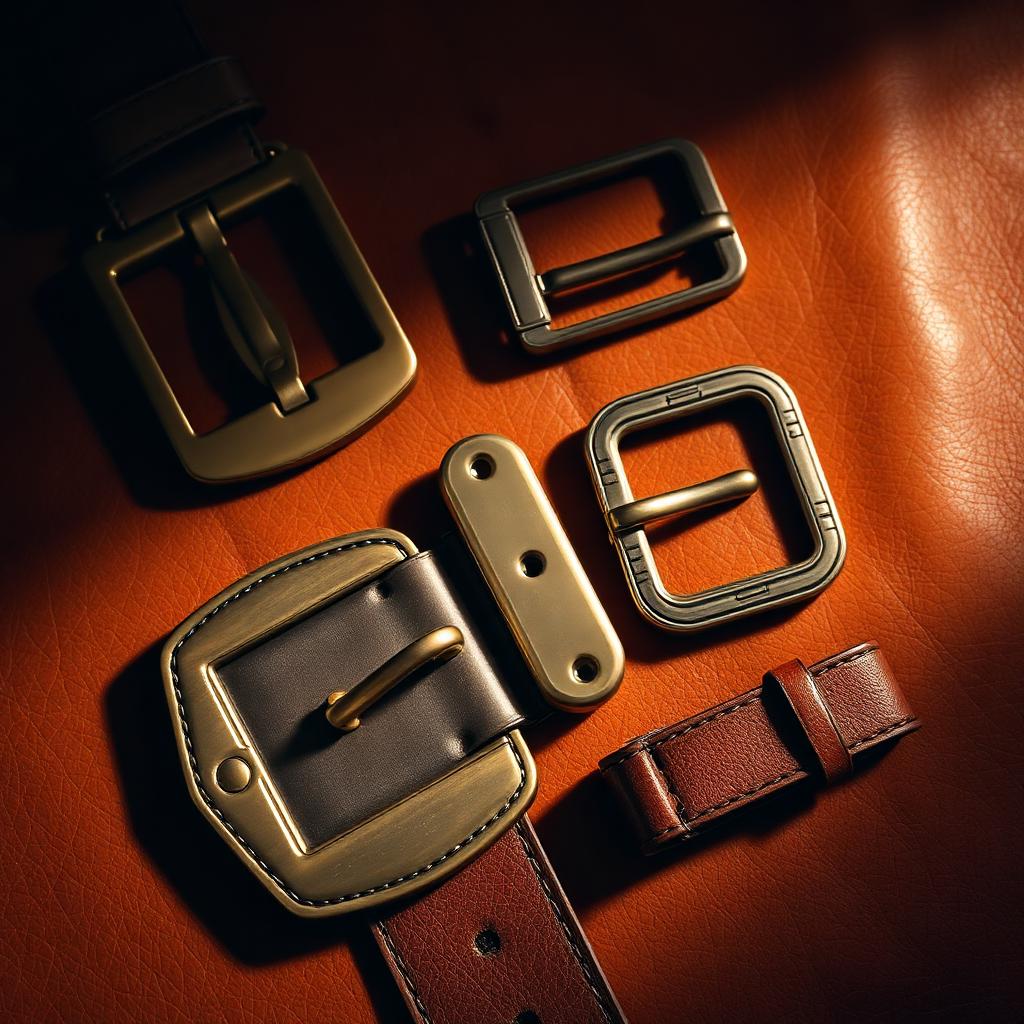
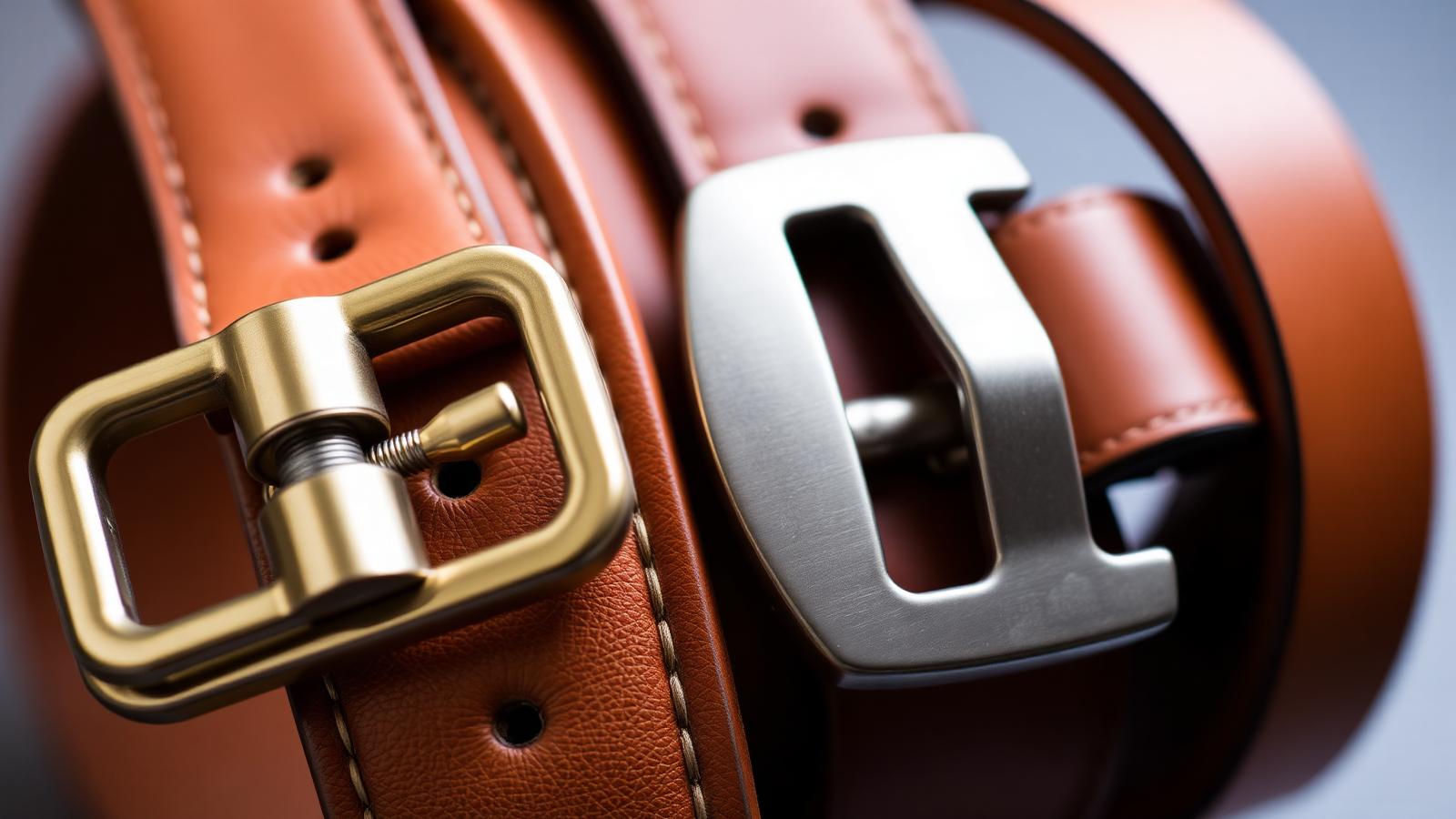
A center bar buckle has a fixed crossbar in the middle of the frame. The tongue (prong) pivots on that bar and falls into the belt hole.
A roller buckle adds a small free-spinning sleeve over the crossbar. The strap slides across the roller instead of dragging on a static bar.
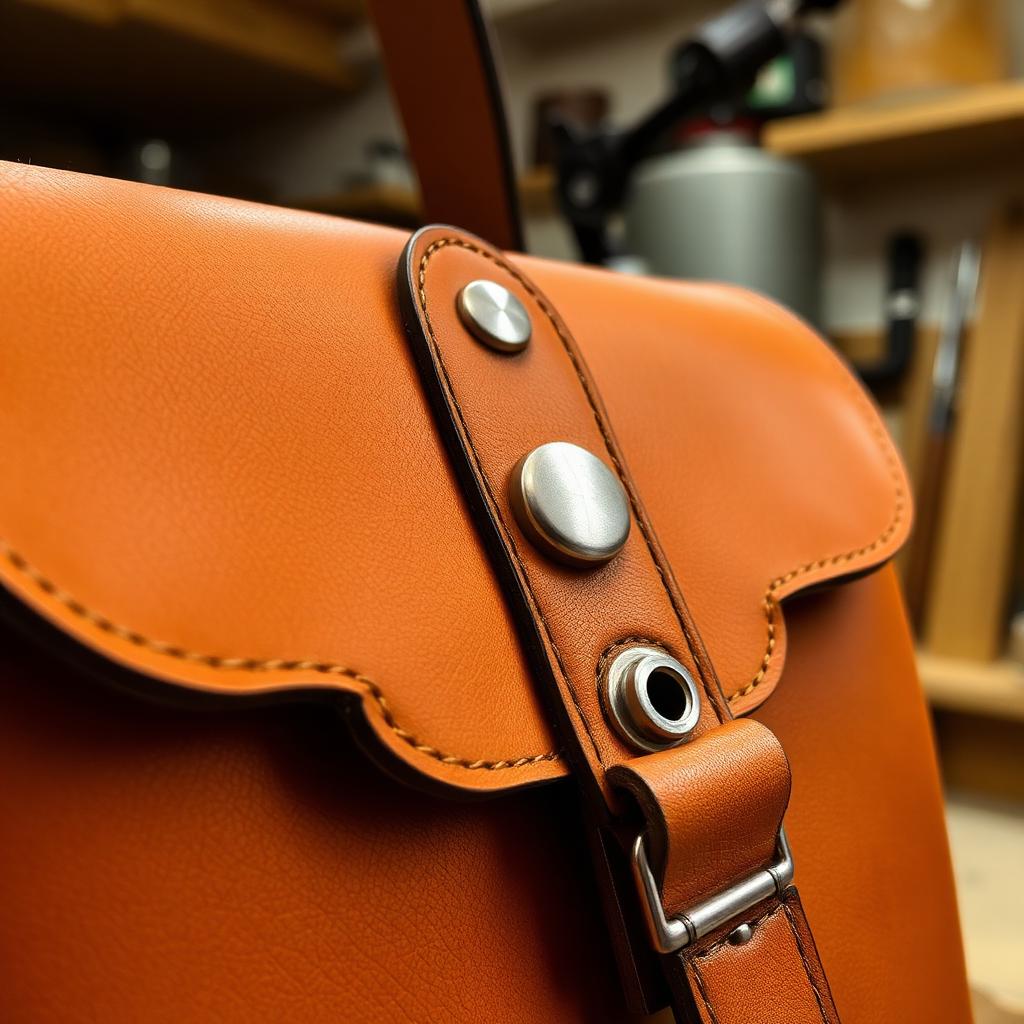
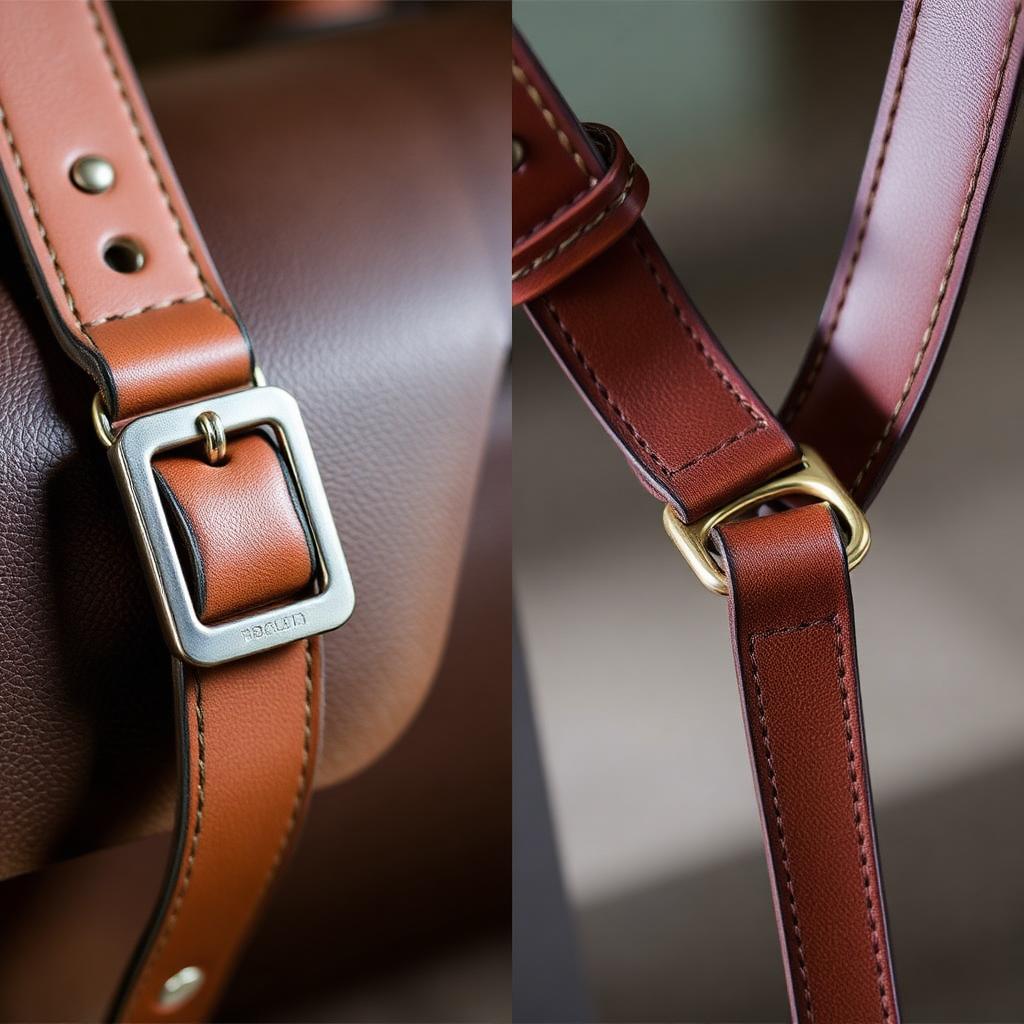
Both are anchored to the strap with a chicago screw, a rivet, or a stitched billet. The choice of buckle changes how the strap behaves over years of use.
How they wear leather
Center bar buckle
The strap slides over a stationary bar every time you cinch or release the belt. On thick veg-tan, this is fine — the leather is hard enough to resist abrasion. On bridle leather, chrome-tan, or any oiled finish, the bar slowly polishes (and eventually cracks) the underside of the strap. After 5–10 years of daily wear, you'll often see a worn channel on the back of the leather opposite the bar.
Roller buckle
The roller rotates with the strap, so leather and metal move together rather than against each other. Almost no abrasion. This is why every traditional saddle, gun belt, and equestrian rein uses rollers — they're built to outlast the leather.
Strength and load rating
Mechanically, a center bar buckle is slightly stronger than a roller of the same size and metal because the bar is one solid piece. A roller buckle's sleeve adds two pinch points where the roller meets the side frame. In practice, both designs in solid brass or stainless steel handle far more force than leather can transfer — the strap will fail first either way.
The exception: cheap cast zinc center bar buckles can snap at the bar weld. Avoid cast hardware on any belt rated for tool carry or holster work.
Sizing both buckles correctly
Both buckles size the same way: internal frame width = strap width. A 38 mm strap needs a 38 mm buckle. The tongue length should reach roughly 6–8 mm past the strap edge when laid flat. For a complete sizing walkthrough see our belt buckle sizing guide.
When to use a center bar buckle
- Dress belts in calf, kangaroo, or shell cordovan — the strap moves rarely and the cleaner profile suits formal wear.
- Fashion belts where the buckle is a visual focal point.
- Watch straps and narrow accessories where a roller would look bulky.
- Any project where you want a slimmer, lower-profile silhouette.
When to use a roller buckle
- Work belts and gun belts — the strap takes constant load and motion.
- Bridle leather and oil-tanned belts — softer leathers that would abrade against a static bar.
- Heritage / Western styling where rollers are part of the design language.
- Heirloom builds meant to be passed down or repaired indefinitely.
Finish and metal choices
Both designs are sold in solid brass, stainless steel, blackened steel, and plated zinc. For long-term holds, stick with solid metals — see our comparison of solid brass vs plated hardware. Suppliers like Buckleguy and Weaver Leather Supply stock both styles in matched finish families.
Repair and replacement
Roller buckles occasionally lose their roller — the sleeve work-hardens and cracks. Quality suppliers sell replacement rollers, but it's only worth it on a high-end buckle. Center bar buckles rarely fail mechanically; when they do, the bar weld is the failure point and the buckle is finished.
If you build to repair (and you should), use a chicago screw closure at the buckle billet so the buckle can be swapped without cutting stitching.
Key takeaways
- Roller buckles protect the strap; center bar buckles look cleaner.
- Match internal frame width to strap width exactly.
- Solid brass or stainless for any belt you want to keep for 20+ years.
- Use chicago screws at the billet so buckles can be replaced.
FAQ
Will a roller buckle stretch the belt holes faster?
No — if anything, slightly slower. The rotating roller distributes friction across the strap rather than concentrating it on one spot.
Can I put a roller buckle on a dress belt?
You can, but it'll read as Western or workwear. Most formal belts stay with center bar designs for the cleaner silhouette.
What size buckle for a 1.5 inch belt?
1.5 inches = 38 mm. Use a 38 mm internal-width buckle, roller or center bar.
Conclusion
The short answer: roller buckles for anything that gets used hard, center bar buckles for anything that gets seen. Either one in solid brass will outlast the leather around it. Browse more in our buckles and closures category for finish guides, sizing charts, and supplier comparisons.
Enjoyed this guide?
Browse more in Buckles & Closures or share this article with another leather maker who'd find it useful.