Antique Brass vs Polished Brass Buckles: The 2026 Finish Trend Guide
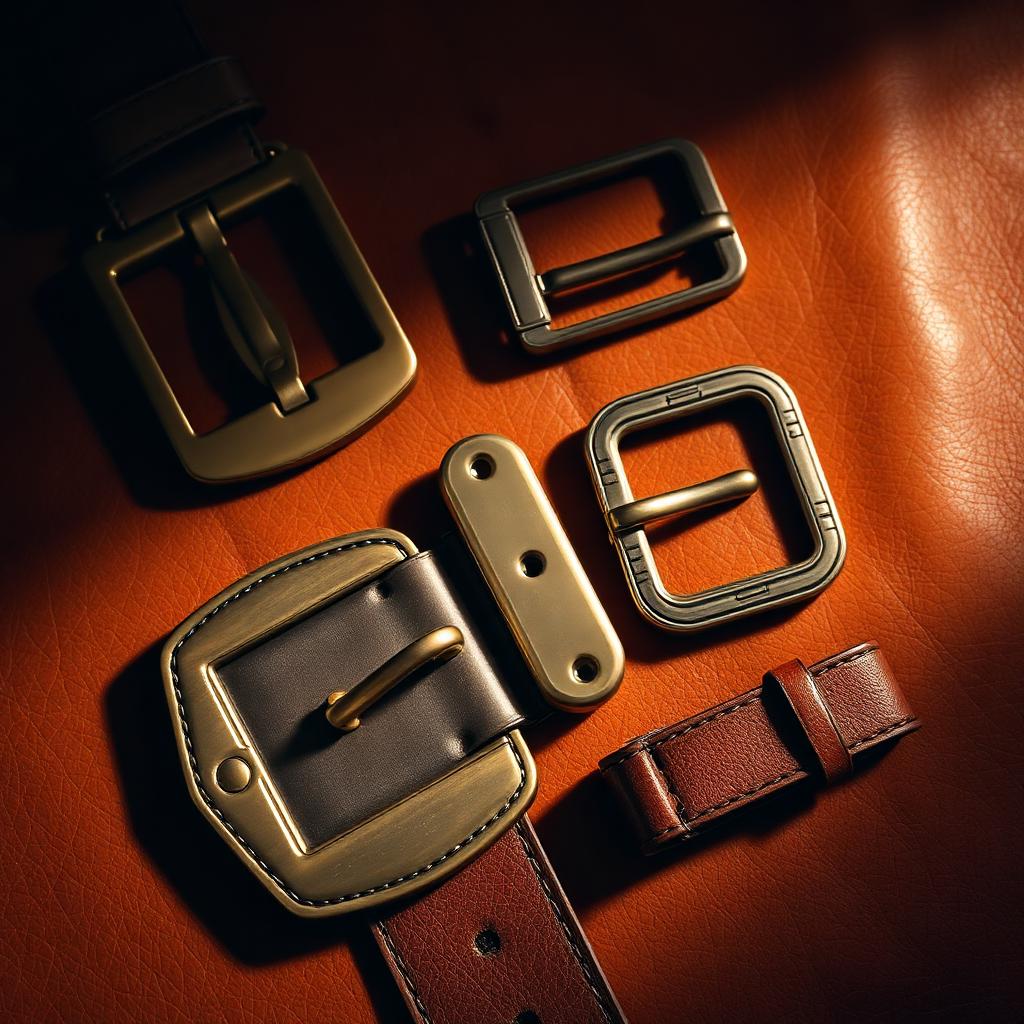
Two brass finishes dominate premium belts and bag hardware in 2026: mirror-polished brass and antique (relieved) brass. Both start as the same solid brass alloy — the finish is where they diverge, and that finish decides how the buckle looks in year one, year five, and year twenty.
What each finish actually is
Polished brass
Solid brass buckle tumbled and buffed to a mirror or satin sheen, then usually sealed with a thin lacquer to slow oxidation. Bright, warm, distinctly golden.
Antique brass
Solid brass darkened with a chemical patina (typically a sulfide-based blackening solution), then relieved on the raised surfaces so the highs shine gold while the recesses stay dark. The result mimics a naturally aged buckle from day one.
How each finish ages
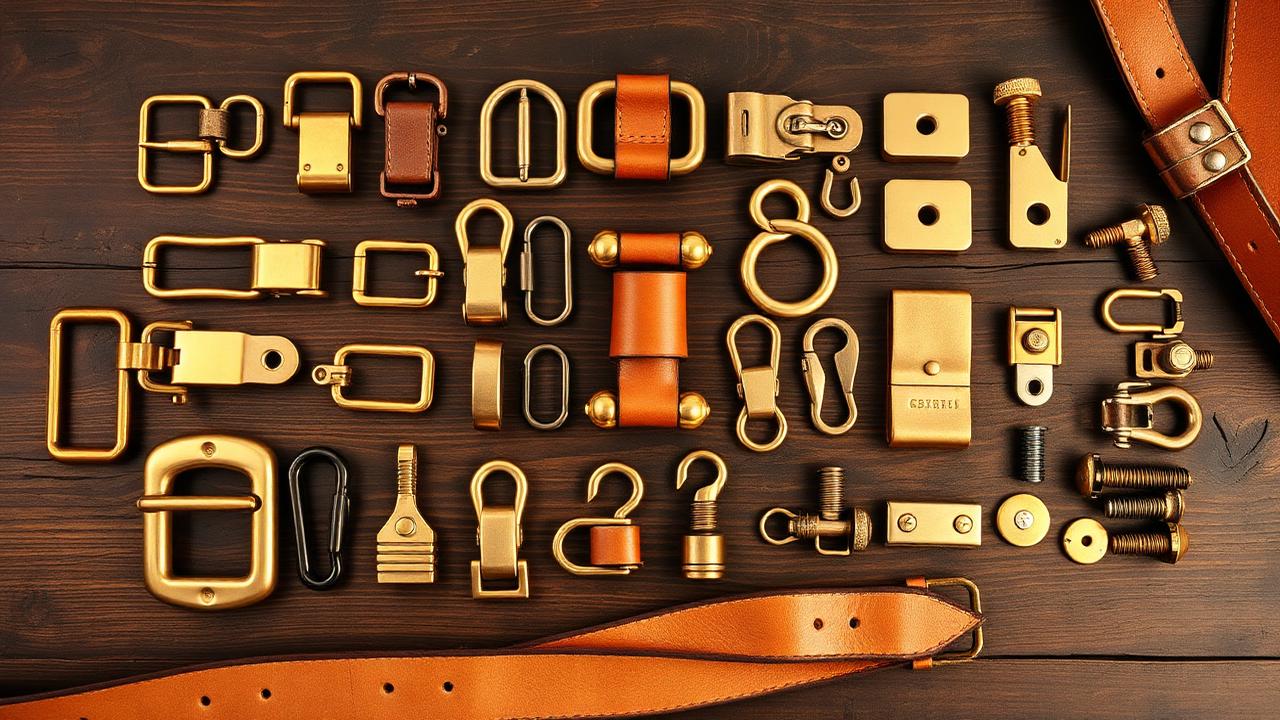
Polished brass darkens unevenly. The lacquer eventually wears at contact points, and those spots oxidize faster than the sealed areas — creating a blotchy look many owners dislike. Strip the lacquer with acetone and let the whole buckle patina evenly, or re-polish every 6–12 months. See our brass vs plated hardware guide for the chemistry.
Antique brass only gets better with wear. Because it's already dark in the recesses, further oxidation blends in. The relieved highs polish naturally against clothing, deepening the contrast. Zero maintenance required.
2026 aesthetic trends
Editorial leather markets — Japanese heritage, Western revival, dark academia — have pushed antique brass to the front. It pairs with vegetable-tanned leather, waxed canvas, and matte black hardware without competing. Meanwhile polished brass has retreated into two lanes: dress belts (where mirror shine is the point) and preppy/nautical revivals (where bright hardware is the aesthetic signal).
Complementary trend: matte black hardware — see our matte black finish guide for the parallel movement.
Buyer preference by segment
| Segment | Preferred finish | Why |
|---|---|---|
| Heritage / EDC | Antique brass | Ages gracefully, low maintenance |
| Dress / formal belts | Polished brass | Mirror finish matches watch and cufflinks |
| Western / equestrian | Antique brass | Traditional look, hides working wear |
| Contemporary luxury | Split — matte black leading | Design-driven, finish is a styling choice |
| Workwear / casual | Antique brass | No lacquer to wear off unevenly |
Durability differences
The underlying metal is identical solid brass (typically CDA 360 or CDA 385 alloy — see Copper.org's alloy reference). Structural strength is the same. The differences are cosmetic:
- Polished brass shows every scratch — the mirror surface reflects them dramatically.
- Antique brass hides scratches — the dark patina masks small marks, and deeper scratches just add character.
- Neither will rust; both develop verdigris in constant marine exposure (rare in belt use).
What to avoid
- Antique-plated zinc: Some cheap "antique brass" buckles are zinc with a brown coating. Once the coating wears, you see silver-gray metal underneath, not brass. Solid brass only.
- Polished brass without lacquer sealing: Fine for makers who want fast patina, bad for retail buyers who expect the shine to last.
- Mixing finishes on one piece: Antique brass buckle with polished brass keeper looks unintentional. Match all hardware on a single strap.
Sourcing solid brass buckles
Both finishes are stocked by the major leather hardware suppliers: Buckleguy carries a deep antique brass range from US foundries, Weaver Leather Supply covers Western profiles, and Rocky Mountain Leather stocks European casts. Confirm the metal spec — real antique brass is always sold as "solid brass, antique finish," never as "antique brass finish" without the solid brass callout.
Key takeaways
- Antique brass leads 2026 heritage and contemporary leather markets.
- Polished brass belongs on dress belts and preppy/nautical builds.
- Both are the same solid brass underneath — finish is aesthetic, not structural.
- Antique brass ages gracefully with zero maintenance; polished brass needs periodic re-buffing.
- Never accept "antique-plated zinc" as a substitute.
FAQ
Can I convert a polished brass buckle to antique?
Yes. Strip lacquer with acetone, apply a brass darkening solution (Birchwood Casey Brass Black), then relieve the highs with 0000 steel wool. Full transformation in about 20 minutes.
Does antique brass fade back to gold?
Only where it's polished by wear. The recesses stay dark permanently — the sulfide patina bonds to the metal.
Which finish sells better in 2026?
Independent maker surveys (Reddit r/Leathercraft polls, ETSY leather category listings) show antique brass outselling polished brass roughly 3:1 for belt buckles under $60.
Conclusion
If you're stocking a maker shop or building for retail in 2026, weight your inventory heavily toward antique brass. Keep a polished brass range for dress belts and formal builds, but treat it as the specialty option, not the default. Browse the full buckles & closures category for more finish guides.
Enjoyed this guide?
Browse more in Buckles & Closures or share this article with another leather maker who'd find it useful.