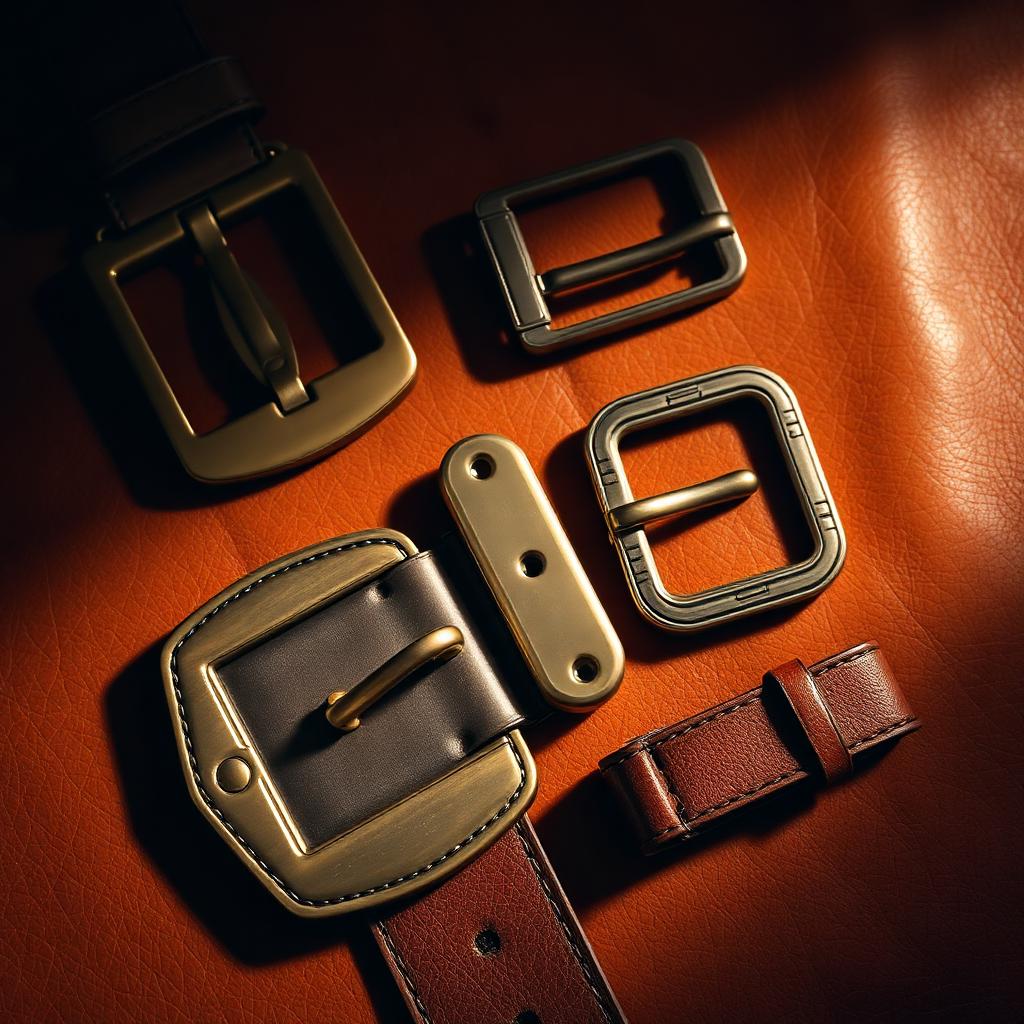
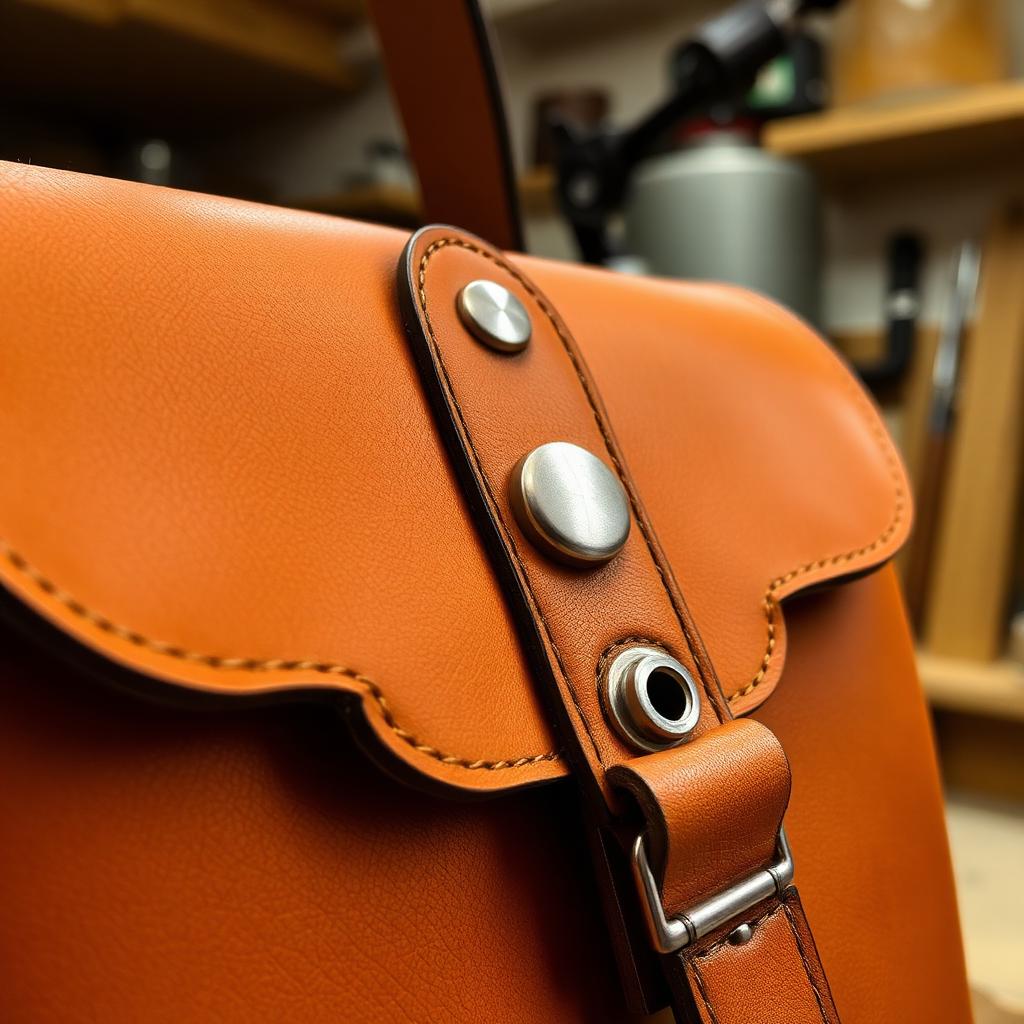
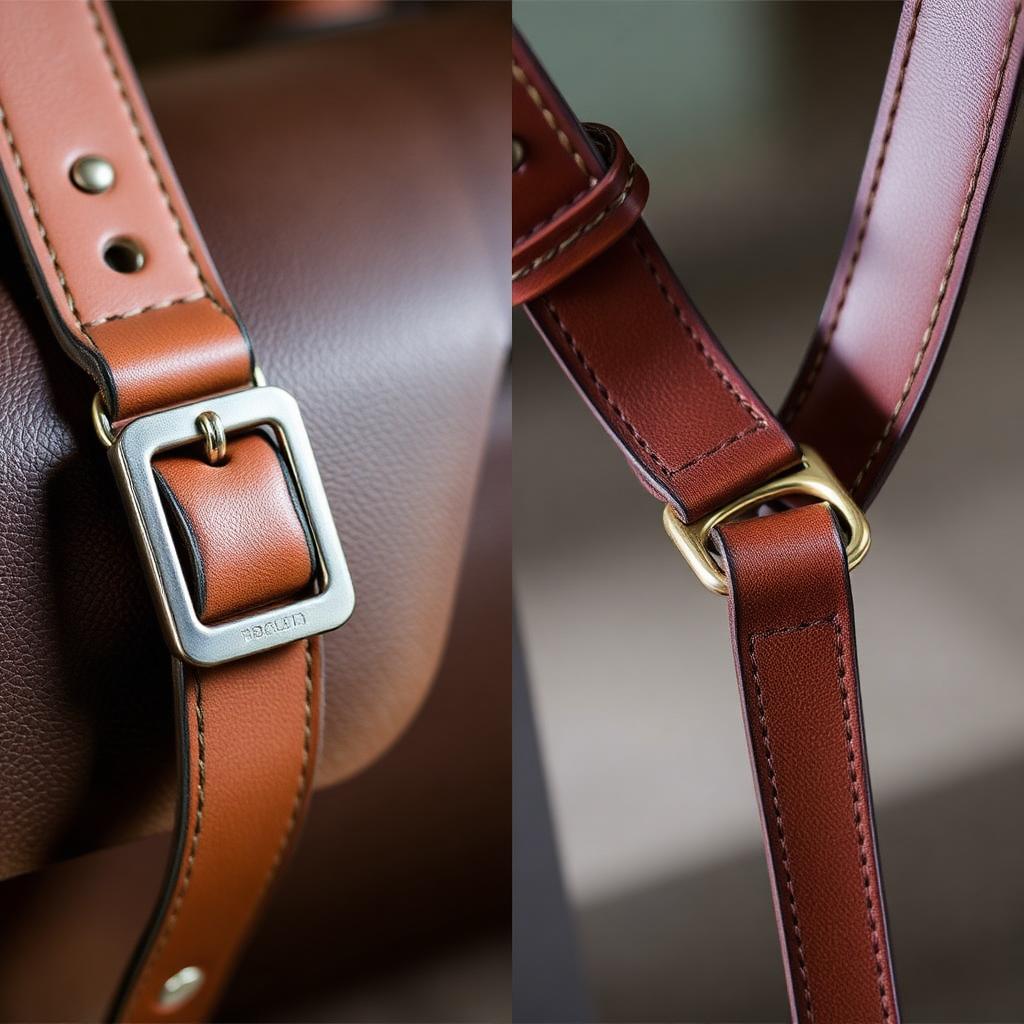
Solid Brass Belt Buckles: The 2026 Buying Guide for Makers and Conscious Buyers
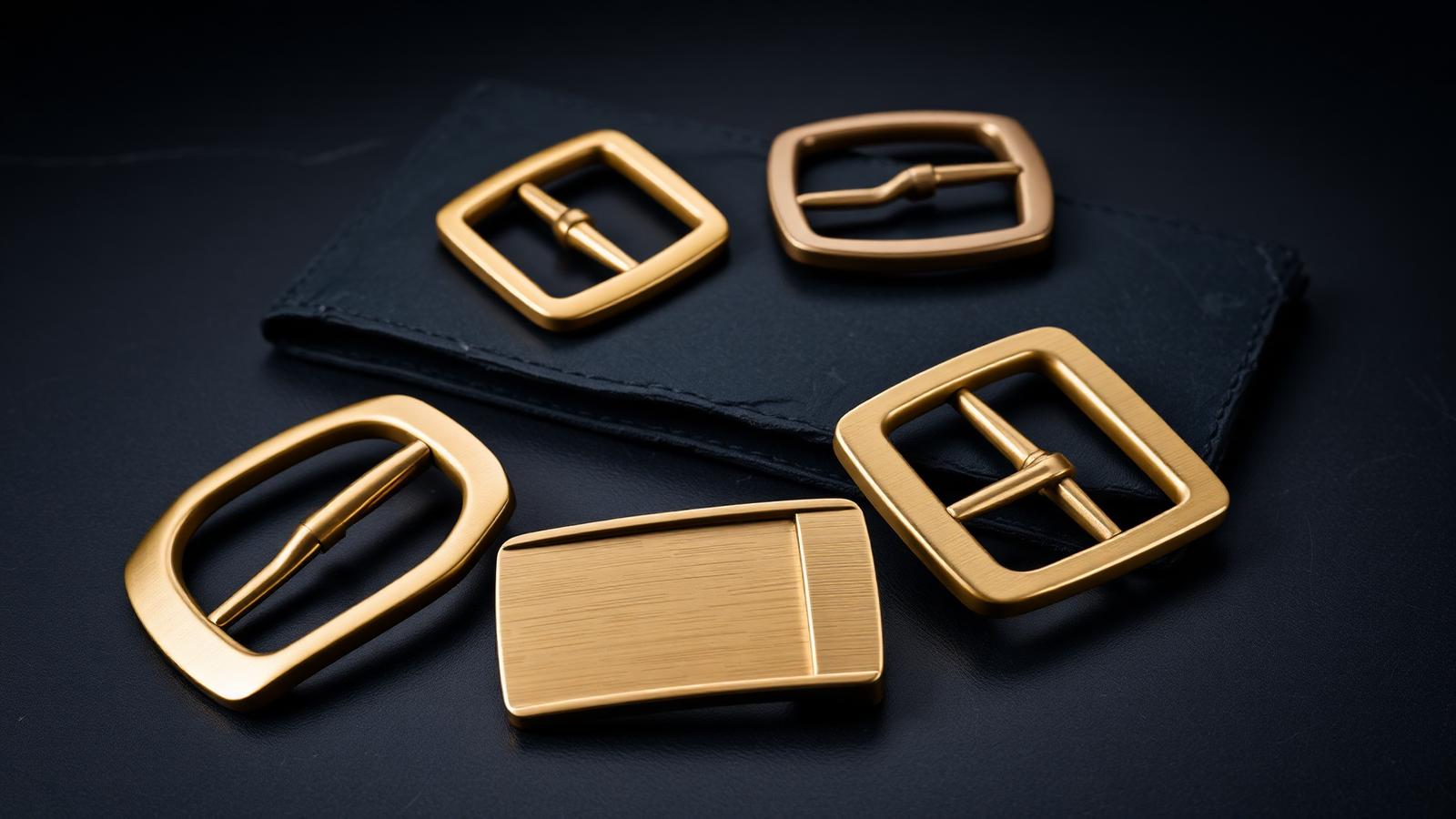
Solid brass is the gold standard for belt hardware — literally. It doesn't rust, it patinas instead of peeling, and a quality buckle outlives three strap rotations. This guide covers the four finishes worth knowing, the price brackets that separate real brass from glorified zinc, and the suppliers that consistently deliver.
What "solid brass" actually means
"Solid brass" means the buckle is cast or machined from a brass alloy throughout — typically C360 free-machining brass or C385 architectural brass. Both are 60–65% copper, 35–40% zinc, with small additions of lead or tin for machinability.
Counterfeits to watch for: brass-plated zinc (a thin brass layer over cast pot metal), brass-tone steel (an electroplated finish over mild steel), and "antique brass" finish on plated zinc cores. See our full breakdown in solid brass vs plated leather hardware.
The four finishes you'll see
Polished brass
Mirror-bright, warm yellow-gold. Looks dressy, develops a soft amber patina in 6–18 months. Best for dress belts, formal builds, and pieces meant to age visibly.
Brushed (satin) brass
Matte directional grain, slightly desaturated. Hides fingerprints, ages more uniformly than polished. The most versatile finish — works on casual, smart casual, and modern minimal belts.
Antique brass
Darkened recesses with highlights on raised surfaces. A chemical oxidation finish (not a coating) so it wears in rather than wears off. Pairs with heritage builds, brown leather, and Western styling.
Matte black brass
The newest mainstream finish — a black PVD or oxide coating over solid brass. Sleek, modern, and increasingly popular on minimalist belts. Coating can wear through at high-friction points after 5–10 years, revealing the brass beneath; many wearers consider this part of the patina. We covered the rise of this finish in our matte black hardware trend piece.
Price brackets that matter
| Price (USD, single unit) | What you're getting |
|---|---|
| $2–6 | Almost always plated zinc. Avoid for any build meant to last. |
| $8–18 | Solid cast brass, standard quality. The maker sweet spot. |
| $20–45 | Machined or premium-cast solid brass. Tighter tolerances, hand-finished edges. |
| $50+ | Heirloom or designer buckles — Italian foundries, custom finishes, low-volume runs. |
Suppliers that consistently deliver
- Buckleguy — US-based, transparent metal specs, deep finish range. Most popular among independent makers.
- Weaver Leather Supply — Wide industrial selection, strong on Western and equestrian buckles.
- Rocky Mountain Leather Supply — Curated premium hardware, good for higher-end builds.
- Italian foundries (Camussi, Frabosk) — Top-tier; usually sold through European distributors with 10+ unit minimums.
How to spot plated zinc dressed as brass
- Weight test. Brass is roughly 8.5 g/cm³, zinc alloy is ~6.6. A solid brass 38 mm center bar buckle weighs 40–60 g; a plated zinc equivalent weighs 25–35 g.
- Scratch the back. Use a hidden interior edge. Brass scratches yellow; plated zinc shows a silver-grey core.
- Magnet test. Brass is non-magnetic. Steel-core buckles will weakly attract.
- Read the spec sheet. Reputable suppliers state alloy (C360, C385, "solid brass cast"). Vague wording like "brass-tone" or "brass finish" means plated.
Matching buckle to strap
Solid brass weights matter when picking strap thickness. A heavy 60 g buckle on a 2 mm dress strap will sag at the billet over time. Pair heavy buckles (44 mm+) with 3.5 mm or thicker bridle leather. For sizing, follow our belt buckle sizing guide.
Care: brass doesn't need much
Polished brass tarnishes; this is desirable. If you want to reset a piece, a soft cloth with Brasso or a 1:1 vinegar-salt paste restores the shine. Brushed and antique finishes should be left alone — polishing erases the surface texture they were sold for.
Key takeaways
- Solid brass = cast or machined throughout, not plated over zinc.
- Brushed brass is the most versatile finish; antique pairs with heritage builds.
- $8–18 USD is the honest range for genuine solid brass buckles.
- Weight, scratch, and magnet tests catch most counterfeits.
FAQ
Does solid brass turn skin green?
Only if it touches damp skin for hours — the copper reacts with sweat to form copper carbonates. On a belt buckle held away from skin, it's a non-issue.
Is solid brass heavier than steel?
Brass (8.5 g/cm³) is slightly heavier than steel (7.85). For belt buckles you'll feel the difference vs plated zinc, not vs steel.
Will antique brass keep darkening?
Slowly. The factory finish is the deepest the buckle will go; over years, raised surfaces polish to a softer gold while recesses stay dark.
Conclusion
Solid brass is the easiest "buy it once" decision in leather hardware. Pay $10–15, pick a finish, and the buckle will outlast every strap you bolt it to. Browse the full buckles & closures category for more finish guides, supplier reviews, and design comparisons.
Enjoyed this guide?
Browse more in Buckles & Closures or share this article with another leather maker who'd find it useful.