Combination Locks vs Key Locks for Leather Briefcases
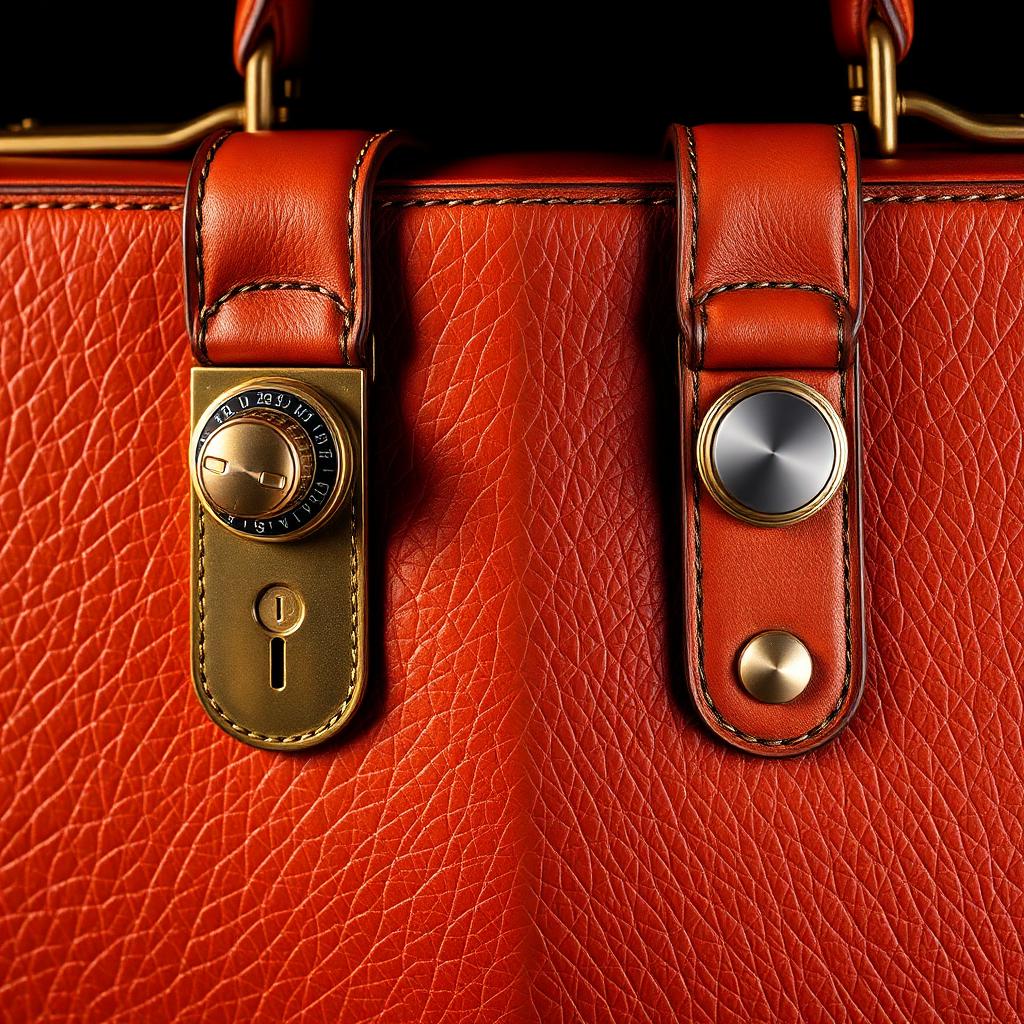
Nobody is defeating a determined thief with a briefcase lock. What the lock actually does is signal seriousness, deter opportunistic tampering, and — on a good briefcase — become the tactile centerpiece a customer touches every day. Choose it accordingly.
The two mechanisms
Combination locks
Three or four numbered dials that release a latch when set to a specific sequence. The classic example is the brass 3-dial lock used on nearly every executive briefcase from the 1970s onward, still made by specialists like Solid Brass Locks and Ohio Travel Bag.
Key locks
A small barrel key turns a cam that releases the latch. Higher-end pieces use double-bit or tubular keys; entry-level briefcases often use a simple flat key.
Head-to-head
| Attribute | Combination | Key |
|---|---|---|
| Security | 1,000 combinations (3-dial) | Depends on key quality |
| Convenience | Nothing to carry or lose | Key can be lost |
| Reset | User-resettable | Fixed; needs a locksmith to rekey |
| Aesthetic | Modern, symmetrical, technical | Traditional, jewelry-like |
| TSA compliance | TSA-approved versions available | Rarely TSA-approved |
| Typical price (solid brass) | $25–$70 | $18–$55 |
How each ages on leather
A polished brass combination lock develops a warm patina in the exact spots the user's thumb rests — the dials and the release button. On a well-made briefcase this is one of the most beautiful signs of use in the whole piece.
Key locks patinate too, but the keyhole plate is a smaller focal point. The character of a key lock lives in the key itself, which many owners eventually attach to a leather fob or a brass D-ring key clip.
Choose a combination lock when
- The customer travels frequently and does not want to manage a key.
- You want a symmetrical, modern-executive look with matching dials on both sides.
- You need TSA-approvable hardware for a checked or carry-on briefcase.
Choose a key lock when
- You are building a heritage or attaché-style piece where a keyhole reads as classic.
- The briefcase will spend most of its life in one place (office, home) and only occasionally travel.
- You want to include a matching leather key fob as part of the product.
Mistakes to avoid
- Cheap plated locks on premium leather. The lock is the highest-touch metal on the whole piece. Plating wears through fast at the dial edges. Solid brass or solid nickel-silver only.
- Mismatched finishes. If the buckles are antique brass, the lock must be antique brass. See our antique vs polished brass guide.
- Forgetting the strike plate. The lock is only as strong as the leather and reinforcement it is set into. Use a full internal metal plate under the lock body, not just glue.
Key takeaways
- Neither lock is meaningfully "secure" against a determined attacker; both deter opportunistic access.
- Combination locks win on convenience and travel; key locks win on classical aesthetic.
- Always specify solid brass or nickel-silver — plated locks wear through at the touch points.
- Reinforce the mounting with an internal metal plate before setting into leather.
Browse more closure hardware in our zippers, clasps and locks category.
Enjoyed this guide?
Browse more in Zippers, Clasps & Locks or share this article with another leather maker who'd find it useful.