Zipper Size Guide: #3, #5, #8, #10 for Leather Goods
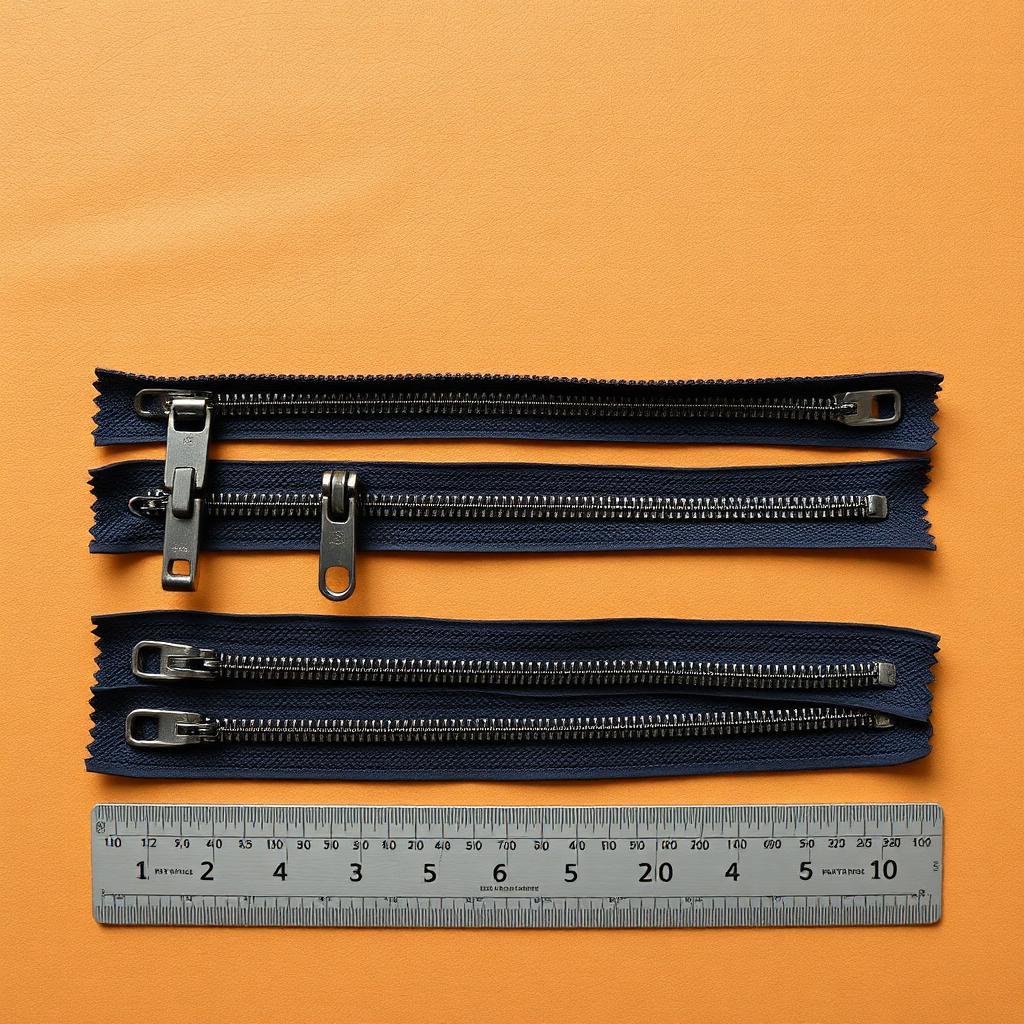
Every zipper has a number stamped on the slider — #3, #5, #8, #10 — and most beginner leather workers ignore it. That number is the single most important spec on the entire zipper. Here is how to read it and match it to what you're building.
What the number actually means
The zipper size number is the approximate width of the closed teeth chain in millimeters. A #5 zipper has teeth roughly 5mm across when closed. A #10 zipper is roughly 10mm — twice the mass and, roughly, twice the strength.
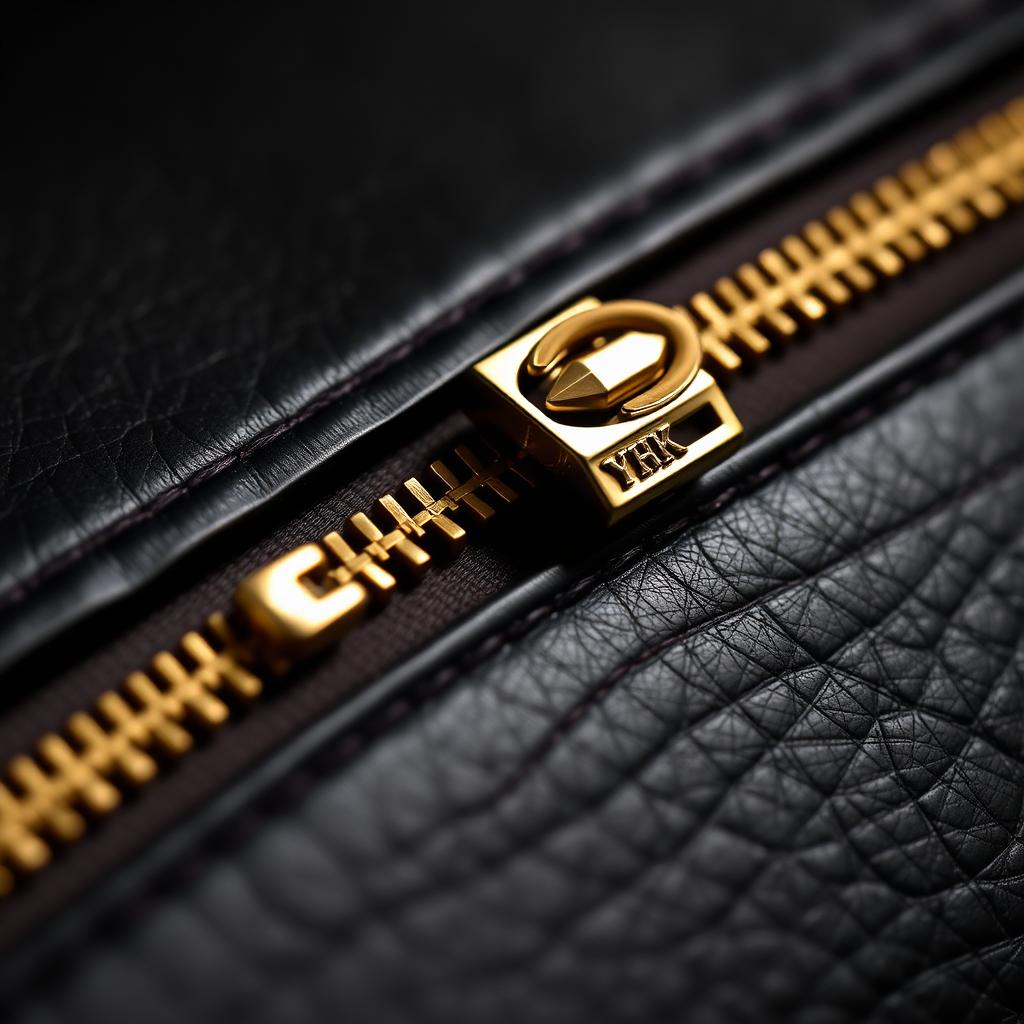
Both YKK and RIRI use this system. So do most reputable manufacturers.
The four common sizes in leather work
| Size | Teeth width | Typical use |
|---|---|---|
| #3 | ~3mm | Wallets, card cases, small pouches |
| #5 | ~5mm | Clutches, dopp kits, medium totes |
| #8 | ~8mm | Backpacks, briefcases, weekenders |
| #10 | ~10mm | Heavy luggage, moto bags, tool rolls |
How to match zipper size to the project
Small leather goods (#3)
On a wallet or coin pouch, a #5 zipper looks industrial and pulls the shape out of true. Use #3 with a matched slider — the small teeth drape gracefully across thin leather.
Clutches and medium bags (#5)
#5 is the most versatile zipper size in leather work. It handles moderate load, looks proportional on 30–40cm openings, and comes in the widest range of finishes.
Backpacks and briefcases (#8)
Once a bag is carrying a laptop or 3+ kg of contents, #5 starts to strain at the ends of the run. Move up to #8 — the extra tooth mass distributes load and the slider grip fits a gloved hand better.
Heavy luggage and tool rolls (#10)
#10 is oversized on purpose. On a moto bag or a tradesman's tool roll, it signals ruggedness and survives real abuse.
Slider style matters as much as size
Every zipper size supports multiple slider styles: single non-lock, single auto-lock, double slider (open both ends), reverse coil. Match the slider to how the bag is actually used:
- Auto-lock: the slider stays put when you release the pull. Essential on luggage and shoulder-carried bags.
- Double slider: two pulls that meet in the middle. Best for briefcase mouths and long weekender openings.
- Reverse coil: teeth face inward for a clean outer line. A hallmark of technical outdoor bags.
Mistakes to avoid
- Under-sizing on load-bearing openings. A #3 on a laptop backpack splits at the base within a year.
- Over-sizing on small goods. A #8 on a card wallet looks like body armor.
- Assuming brands are interchangeable. A YKK #5 slider does not fit on a RIRI #5 tape. Always order the full zipper as one unit.
Key takeaways
- The zipper size number is the tooth width in millimeters.
- #3 for small leather goods, #5 for clutches and medium bags, #8 for backpacks and briefcases, #10 for heavy luggage.
- Slider style (auto-lock, double, reverse) matters as much as size — match to how the bag is used.
- Do not mix brands or swap sliders between tapes.
For a brand-by-brand breakdown at premium sizes, see our YKK vs RIRI comparison.
Enjoyed this guide?
Browse more in Zippers, Clasps & Locks or share this article with another leather maker who'd find it useful.