Chain Strap Connectors: How to Attach Chains to Leather Bags

Chain straps have been in every luxury bag collection for six decades — and they are still the most consistently mis-connected component on handmade bags. The chain almost never fails. The connector between chain and leather does.
The connector stack
A chain strap connects to a bag through three pieces of hardware — not one:
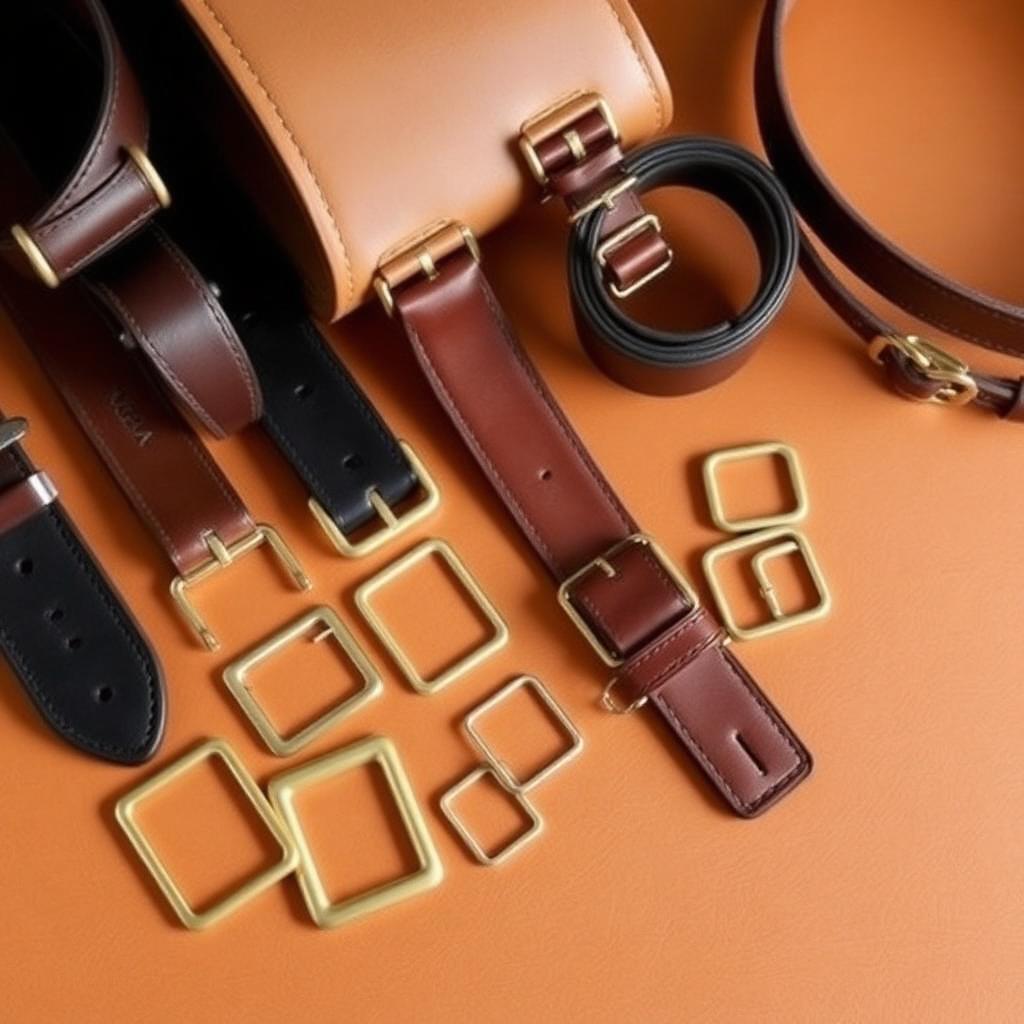
- Bag-side ring — a D-ring, O-ring, or rectangle ring anchored to the leather (see our ring comparison).
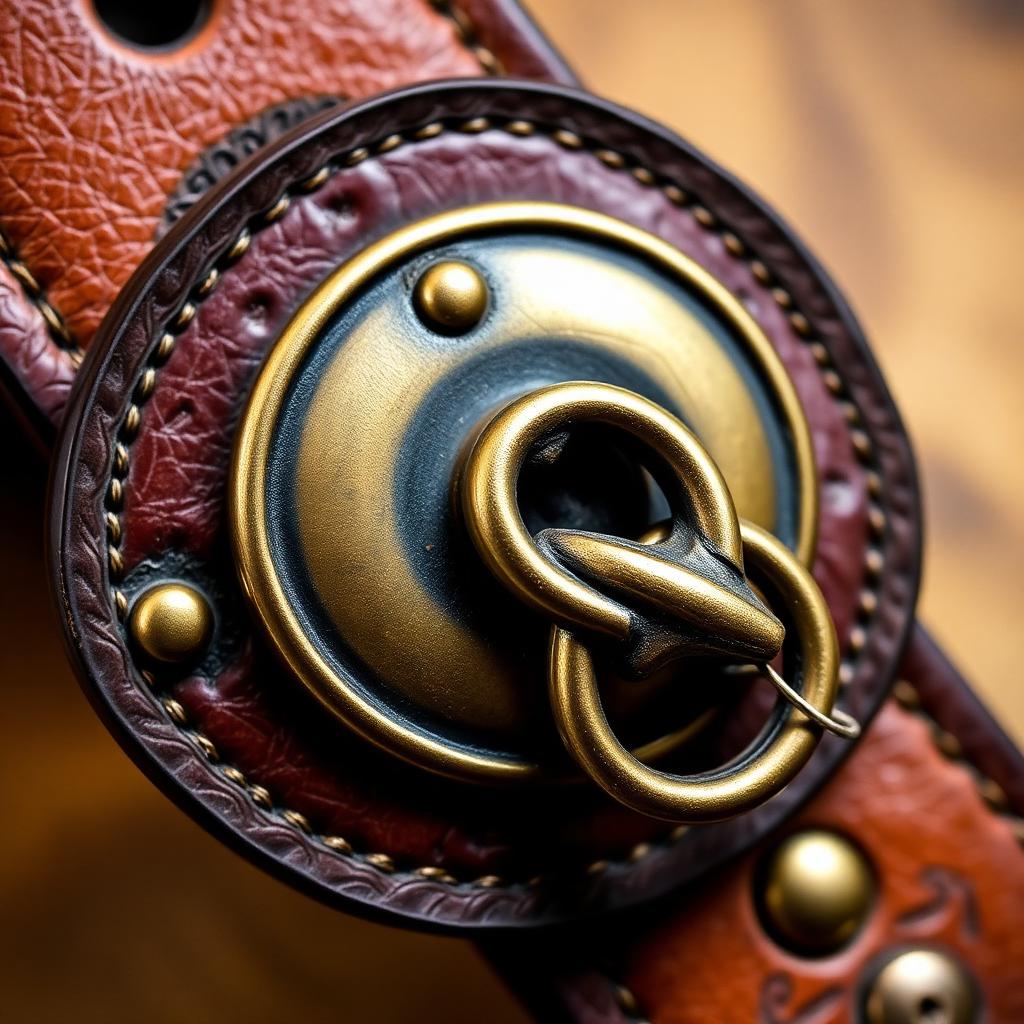
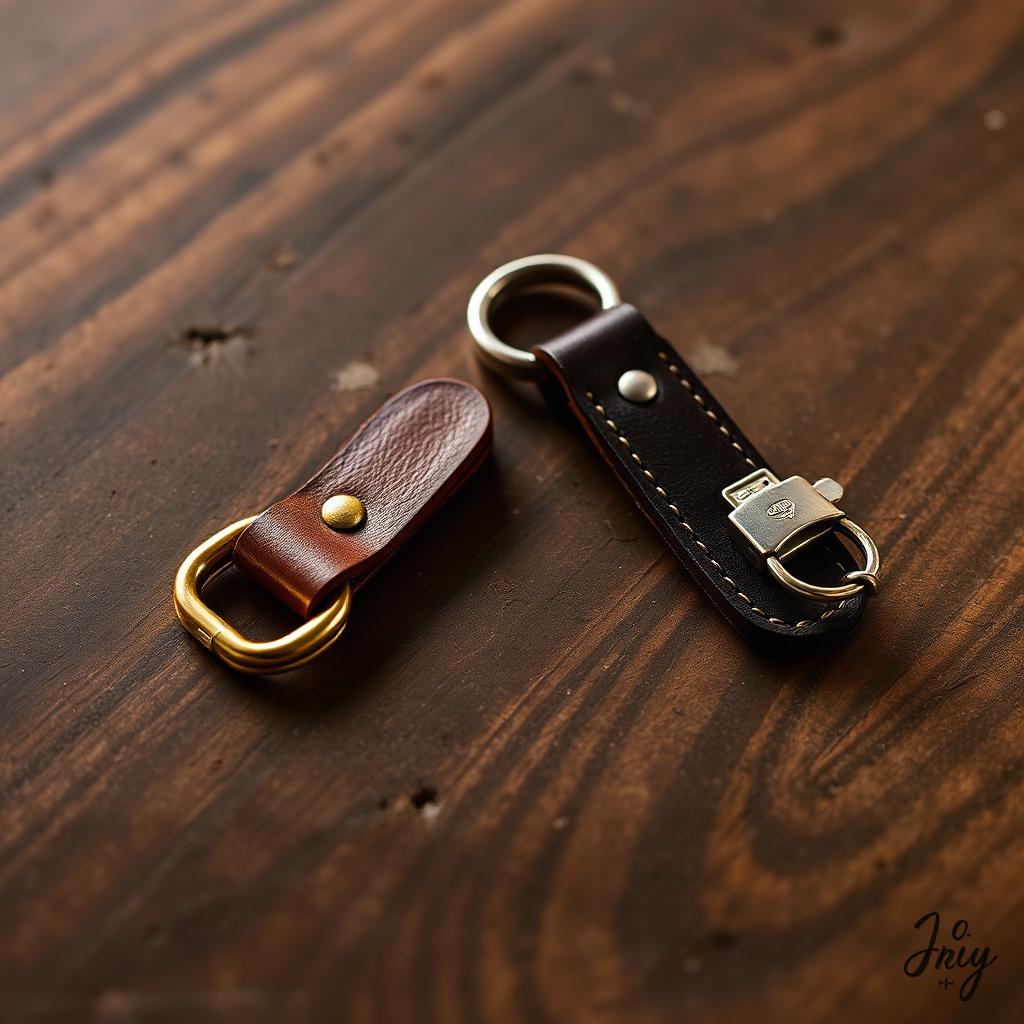
- Connector hook — usually a swivel snap or trigger hook that clips onto the ring.
- Jump ring or end link — the small oval or round ring that joins the connector hook to the first link of the chain.
Chain straps fail at the jump ring more than anywhere else. Under-specifying that single 3mm wire component drops thousands of dollars of bag on the pavement.
Choosing the connector hook
| Hook type | Feel | Best for |
|---|---|---|
| Swivel snap hook | Rotates freely — chain never kinks | Long chains, crossbody wear |
| Trigger snap (lobster) | Jewelry-like, elegant | Short shoulder chains, evening bags |
| Bolt snap (spring) | Industrial, highest load rating | Heavy top-handle chain bags |
For most modern chain shoulder bags, swivel snap hooks are the correct default (see our swivel vs trigger comparison). Chain twists slowly in wear; a fixed hook lets that twist telegraph into a permanent kink.
Matching chain gauge to hardware
- Fine curb chain (3–4mm links): pair with a 10–12mm swivel hook and a 12mm D-ring. Keep it dainty; oversized hardware ruins the look.
- Medium curb (5–7mm links): 15mm hook, 15mm D-ring. The standard "designer chain" spec.
- Heavy or double-curb (8mm+ links): 20mm hook, 20mm rectangle ring. Anything smaller looks under-engineered.
General rule: connector opening should equal or exceed 2× the chain link wire diameter. Anything narrower stresses the jump ring.
Reinforcing the bag-side attachment
Chain is heavier than fabric or leather straps and swings under momentum. That momentum transfers to the anchor point.
- Use a welded D-ring — not a split ring. Split rings pop open under repeated swing loads.
- Sandwich the ring anchor tab between two layers of leather with a reinforcement leather or Salpa (leather board) core.
- Bar-tack the anchor tab at both ends, not just one; alternate stitch direction to prevent thread creep.
- For bags over 1kg loaded weight, add a small rivet through the anchor tab in addition to stitching.
Wrapped-chain straps
Half-wrapped chain straps (chain with a leather strip woven through) hide the connector visually but still need the full stack underneath. Do not connect the leather-only portion to the bag — always route the chain link itself into the hook.
Common mistakes
- Jump ring under-spec. Never use a jump ring thinner than the chain link wire. Solder-closed jump rings only for anything you sell.
- Trigger hook on a long crossbody chain. Chain twists, trigger fights it, hook nose wears through in 6 months.
- Cast zinc "gold-tone" connectors. The plating wears at the hook nose within a season and the base metal shows silver-grey. Solid brass or stainless only.
Key takeaways
- A chain strap is a three-part connector system — ring, hook, jump ring.
- Swivel snap hooks are the default for shoulder-worn chains.
- Match connector opening to at least 2× chain link wire diameter.
- Reinforce the bag-side anchor with double-layer leather and welded rings.
- Solid brass or stainless steel — never plated zinc — for any chain load.
Explore the full D-rings, hooks and connectors category for more strap hardware strategy.
Enjoyed this guide?
Browse more in D-Rings, Hooks & Connectors or share this article with another leather maker who'd find it useful.