D-Rings vs O-Rings vs Rectangle Rings: How to Choose
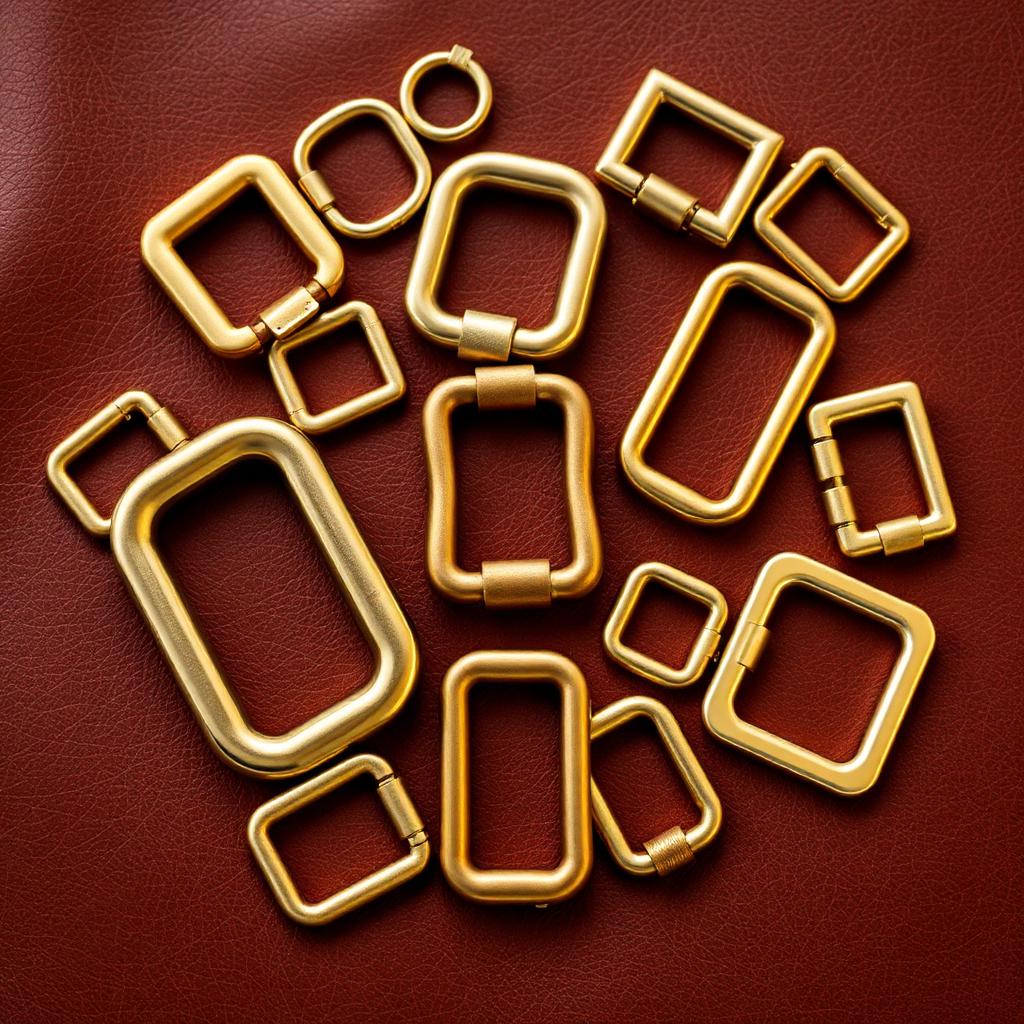
Rings look like the most interchangeable hardware on a bag. They are not. The shape controls where the strap sits, how it tracks under load, and whether the hook self-aligns or fights you every time you clip it. Here is what actually changes when you swap between D, O, and rectangle rings.
Quick shape reference
- D-ring: flat straight edge on one side, curved on the other. Strap sits on the flat side; hook clips to the curve.
- O-ring: fully circular. Symmetrical — no preferred orientation.
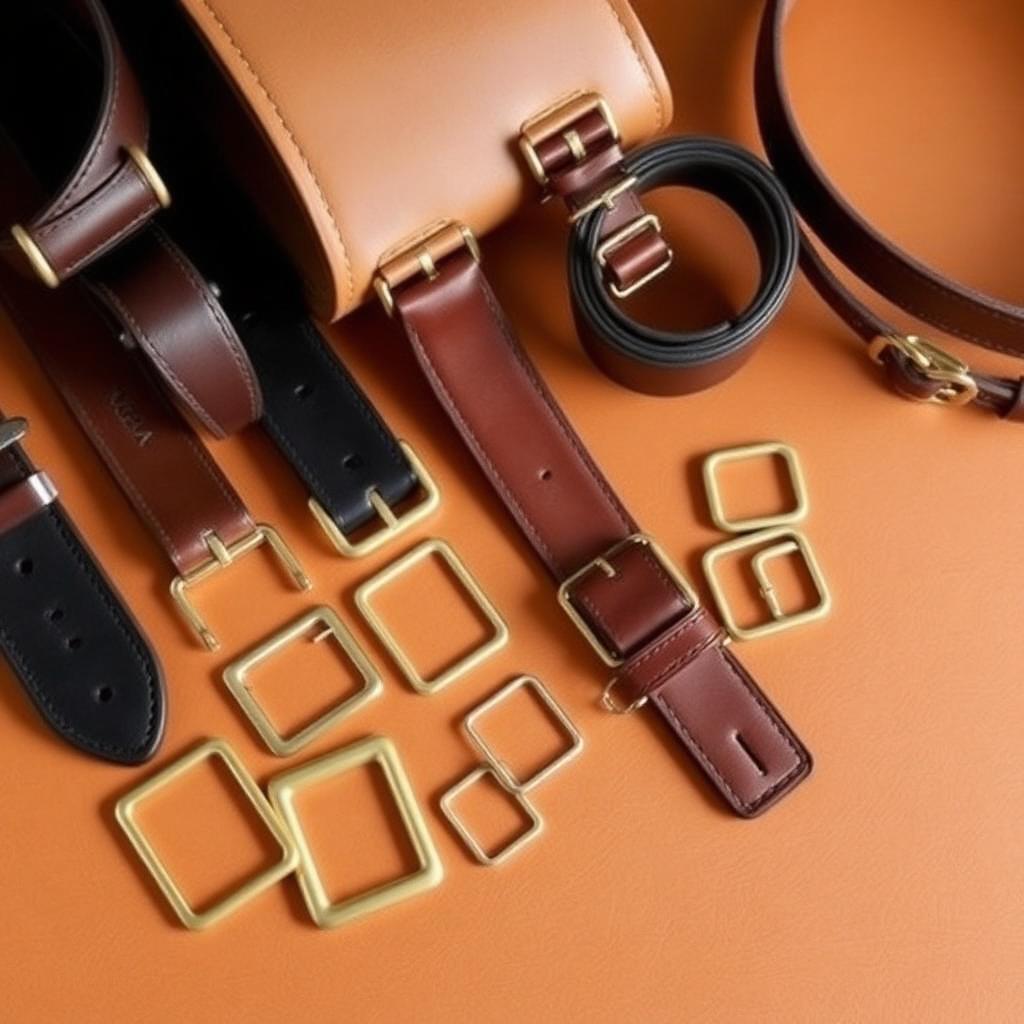
- Rectangle ring: two long parallel sides. Strap sits on one long side; hook or slider on the other.
How each ring behaves under load
D-rings
The strap self-centers on the flat edge. The hook clips to the curved side, which self-aligns at 90° to the strap — the cleanest visual line of any ring type. This is why D-rings are the default on premium shoulder bags. See our full guide on choosing D-rings for bag straps.
O-rings
No preferred orientation. This is a feature on decorative bags and dog collars (where the ring rotates freely and the hardware finds its own rest position) and a bug on shoulder straps (where the hook can settle at an awkward angle under load).
Rectangle rings
Two straps or a strap-and-slider can share the ring without stacking. This is what makes them the standard on adjustable straps — one long side takes the fixed end, the other passes through a slide buckle or roller buckle.
Head-to-head
| Attribute | D-ring | O-ring | Rectangle |
|---|---|---|---|
| Strap tracking | Self-centering | Free | Self-centering |
| Hook alignment | Clean 90° | Variable | Clean 90° |
| Adjustability | Fixed end only | Fixed end | Fixed + adjustable |
| Aesthetic | Traditional, refined | Symmetric, decorative | Utility, technical |
| Best use | Shoulder bags, briefcases | Dog collars, key fobs, decorative | Adjustable straps, backpacks |
Use D-rings when
- The strap end is fixed length and clips on with a swivel or trigger snap.
- The bag is a dress or heritage piece where the ring is a visible focal point.
- You want the strap to sit flat and center itself against the ring naturally.
Use O-rings when
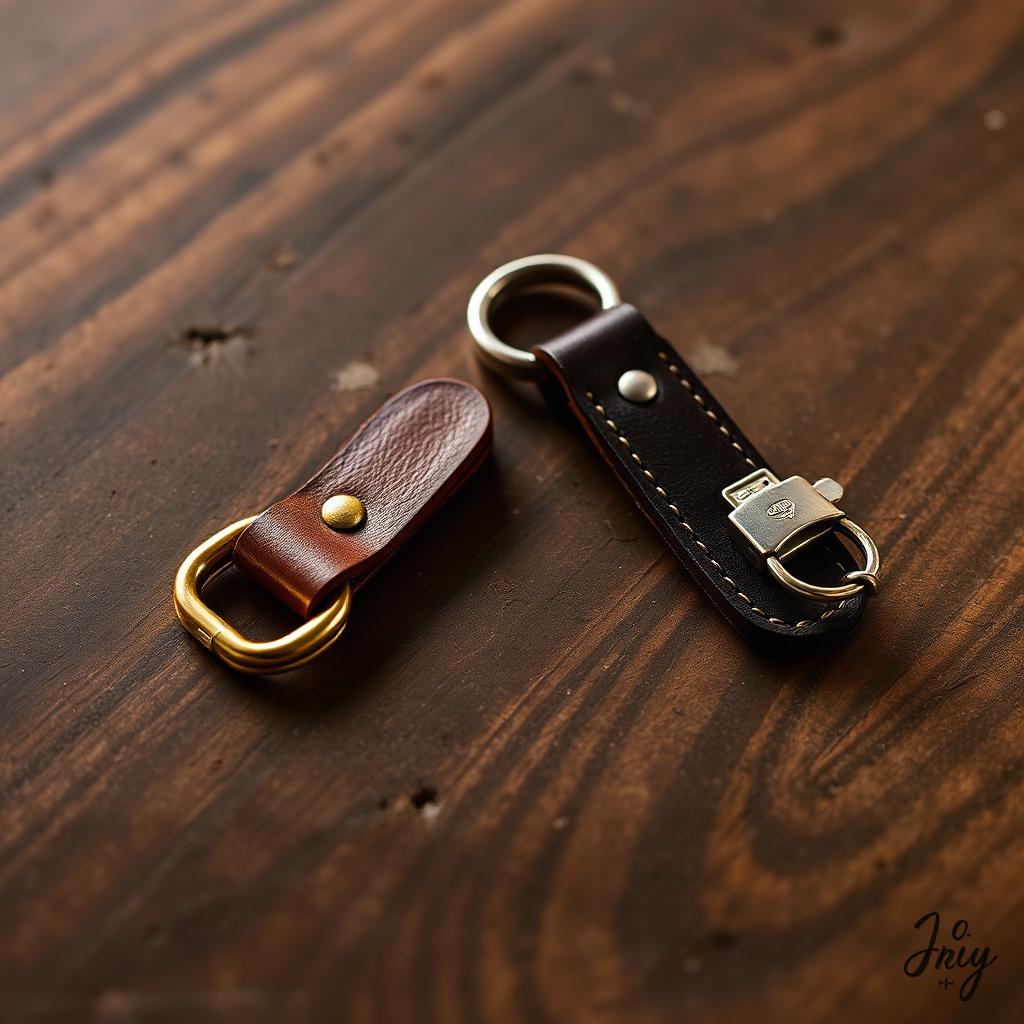
- The ring is decorative and rotates in use (dog collars, key chains, jewelry-style fobs).
- You want a symmetrical look where the ring is not clearly "front" or "back."
- Multiple items clip to a single ring and need to swing freely.
Use rectangle rings when
- The strap is adjustable and needs a fixed end plus a sliding pass-through.
- You are building a backpack, messenger, or camera bag with a technical aesthetic.
- You want to route a wide strap (30mm+) without twisting.
Sizing rules that apply to all three
- Inner clear dimension = strap width + 1–2mm. Any tighter pinches the strap; any looser lets it walk.
- Wire diameter should match the swivel hook throat, not just the strap. See D-ring sizing.
- Always specify welded solid brass or stainless steel for load-bearing rings — cast zinc is decorative only.
Common mistakes
- Rectangle rings on non-adjustable straps. Overkill and visually busy.
- O-rings on shoulder straps. The hook drifts under load and the strap twists.
- Undersized wire. A 3mm wire ring on a 15kg camera bag bends within months.
Key takeaways
- D-rings for fixed-length shoulder straps and briefcases.
- O-rings for decorative and free-swinging applications.
- Rectangle rings for anything adjustable or wide.
- Match wire diameter to both strap and hook — the ring is the middle of that equation.
For matching hardware finishes across the whole bag, see our guide to solid brass vs plated hardware.
Enjoyed this guide?
Browse more in D-Rings, Hooks & Connectors or share this article with another leather maker who'd find it useful.