Swivel Snap Hooks vs Trigger Snap Hooks: Which Is Better?
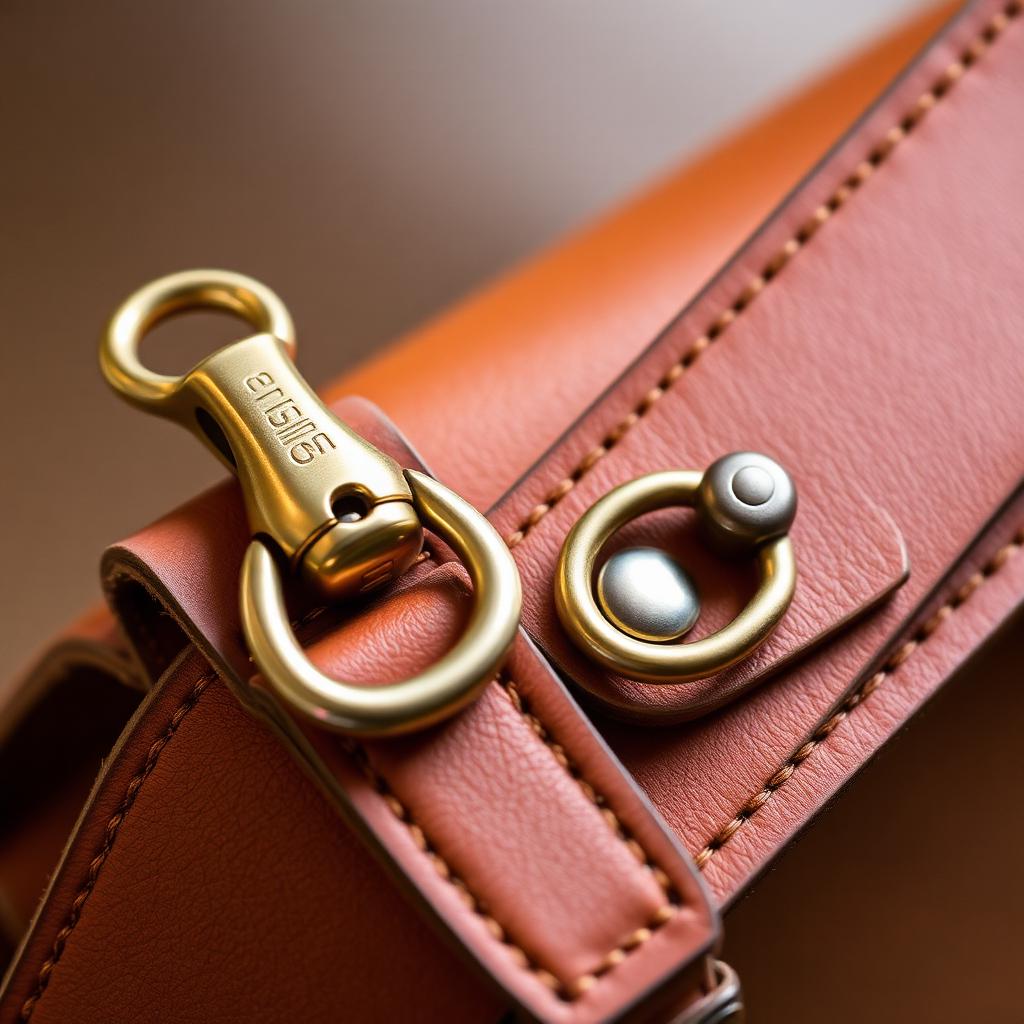
Every removable strap ends in a snap hook, and there are essentially two families to choose from: the classic swivel snap and the trigger snap. They look similar in a catalog and behave very differently on a real bag.
The two mechanisms
Swivel snap hooks (also called "eye snaps" or "bolt snaps")
A hollow barrel with a spring-loaded tongue that slides open when you push it with a thumbnail. The whole hook rotates freely on its base, so a twisted strap self-corrects instead of transmitting torque to the bag.
Trigger snap hooks
A hooked gate that pivots on a spring-loaded lever ("trigger") pressed with the thumb. Larger opening, faster one-handed clip and unclip, but usually no rotation at the base.
Head-to-head
| Attribute | Swivel snap | Trigger snap |
|---|---|---|
| Base rotation | Yes (360°) | Rarely |
| One-handed operation | Slower | Faster |
| Gate opening | Small (~6–10mm) | Large (~15–25mm) |
| Spring life (solid brass) | 10+ years | 5–8 years |
| Weight capacity (25mm) | 8–15kg | 10–20kg |
| Aesthetic | Traditional, jewelry-like | Utility, tactical |
When to use a swivel snap
- Shoulder bags and crossbodies where the strap can twist as the wearer moves. The rotating base prevents the strap from pulling the bag off-balance.
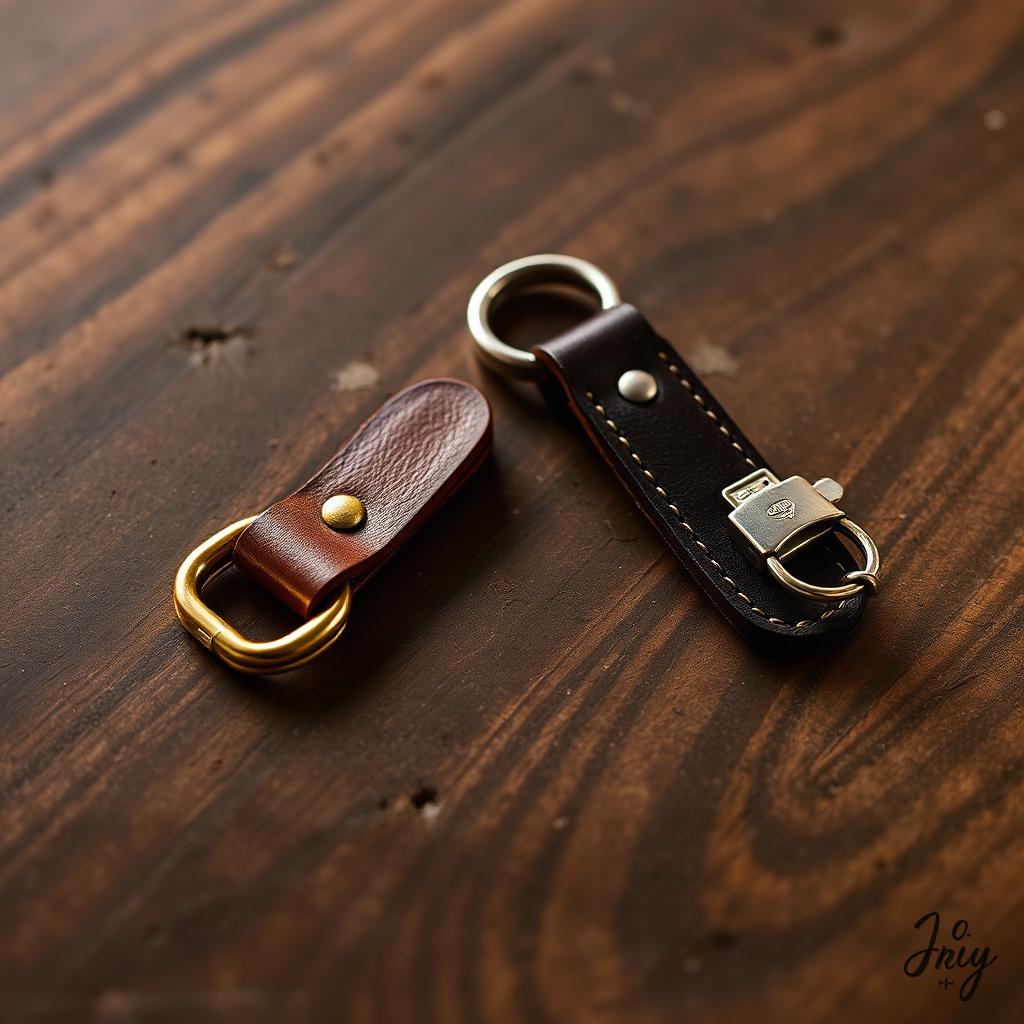
- Small leather goods, key fobs, and lanyards — the smaller footprint suits the scale.
- Dress and heritage pieces where the jewelry-like brass barrel is part of the visual language.
When to use a trigger snap
- Camera straps, dog leashes, and tool bags — anything that needs to be clipped and unclipped many times a day.
- Wider straps (30mm+) where the larger gate opening actually matters.
- Utility and workwear leather goods where the visual language is rugged.
Both should be solid brass, not plated
Snap hooks are one of the highest-wear components on any bag. Plated zinc versions fail in two ways: the finish wears through at the thumb-press point within a year, and the internal spring loses tension because the pot metal deforms around the pivot pin. Specify solid brass, solid nickel-silver, or stainless steel — see our full breakdown in solid brass vs plated hardware.
Match the hook to the D-ring
The interior opening of the hook (the throat) must clear the wire diameter of the D-ring it clips to. A common mistake: pairing a 25mm trigger hook designed for a 4mm wire ring with a heavier 6mm ring — the gate closes but the hook sits at a stressed angle. Cross-reference with our guide on choosing D-rings for bag straps.
Common mistakes
- Undersized swivel base. The rivet or leather tab attaching the swivel must be wider than the base flange, or the strap tears out first.
- Trigger hooks on twisted straps. No rotation means the twist stays. Use swivels on any strap that will move.
- Mixing finishes. The hook is a focal point at the top of the strap. Match it to the buckle, not to whatever is on sale.
Key takeaways
- Swivel snaps rotate, look traditional, and last longer.
- Trigger snaps clip faster, take heavier loads, and read as utility.
- Solid brass or stainless steel only — plated snap hooks are false economy.
- Match hook throat to D-ring wire diameter, not just to strap width.
Explore more strap hardware in our D-rings, hooks and connectors category.
Enjoyed this guide?
Browse more in D-Rings, Hooks & Connectors or share this article with another leather maker who'd find it useful.